
In recent months, Hugo de Jonge, the former Minister of Health in the Netherlands, has publicly shared his experiences and the lessons learned during the challenging period of the COVID-19 crisis. After many months of pressure, responsibilities, and public debate, he has taken the time to reflect on his policies, communication strategies, and the impact the crisis has had on his personal life. This article highlights the key aspects of what he has shared, along with the consequences for both himself and society as a whole.
Forgiveness and Responsibility
Recently, De Jonge made a significant statement about forgiveness. He believes that forgiveness is crucial, both for himself and for society. In his speeches, he has emphasized that everyone makes mistakes, and it is important to take responsibility for those mistakes while also having the courage to forgive one another. This idea stems from his own experiences and the tremendous pressure he felt as a minister during the pandemic.
Advertisement

De Jonge has also acknowledged that the communication surrounding COVID-19 measures was not always clear. He admitted that the complex rules and guidelines created confusion among the public. During his time as minister, he was responsible for important decisions, such as the vaccination policy and handling various lockdown measures. He confessed that the decision-making process was sometimes inconsistent, leading to frustration among people.
The Impact of Communication
One of the most discussed topics during the pandemic was how the government communicated with the public. De Jonge spoke candidly about the shortcomings in this communication. He noted that there were moments when messages were not clear enough, resulting in many questions and uncertainty. Young people and adults often did not know what was expected of them, especially during different lockdown phases.
For instance, the so-called “intelligent lockdown” measures were often not well explained, causing confusion among the public. It resonated when De Jonge mentioned that he should have shared more personal stories of individuals affected by the measures. Doing so could have helped convey the severity of the situation and foster empathy.
Criticism of Decision-Making
Additionally, De Jonge faced criticism regarding decision-making during the crisis. Some decisions were seen as being made too late, particularly concerning the rising infection rates. During the fourth wave, as infections surged again, many people began to ask questions about the delays in implementing measures.
Aside from the vaccination rollout, which De Jonge later reflected upon, he also indicated that there had been insufficient attention paid to the interplay between various measures taken. Criticism came not only from the opposition but also from scientists and healthcare professionals, who realized that better listening to their advice was necessary.
Pressure and Personal Impact
To understand the challenges and pressure of his ministry, it is essential to see how these issues affected not only the political landscape but also personal lives. De Jonge spoke openly about the immense emotional weight he experienced during the pandemic. The constant pressure of the situation, his responsibilities, and the criticism he received affected not only his work but also his personal life.
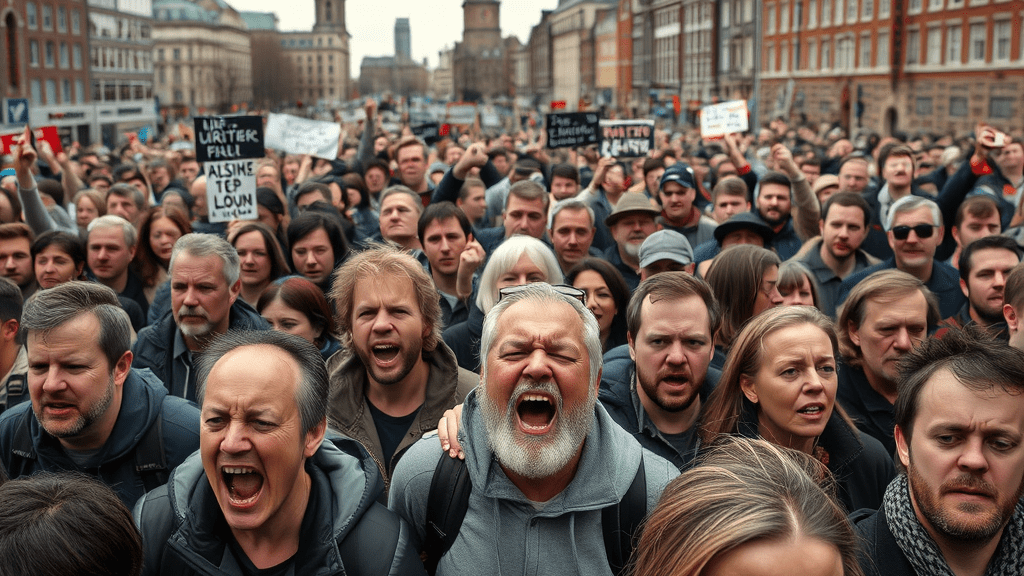
He discussed how long working hours allowed him little time for his family. This lack of balance led to an unhealthy work situation. He meant that he was not only physically exhausted but emotionally drained. The importance of mental health became essential for him, and he recognized that this was true not only for him but for many others in society.
Threats and Personal Life
Moreover, the discourse surrounding his safety and that of his family reached unprecedented heights. During his time in office, De Jonge was targeted with threats, leading to increased security for him and his family. The rising aggression and criticism that public figures face have consequences not only for them but also for their families, who often pay the price in these situations.
De Jonge acknowledged that these threats had deeply impacted their lives. His wife and children, who were already dealing with anxiety and uncertainty, had to adjust to the new reality of increased security and constant vigilance. The emotional strain of this situation led to deeper reflection and the realization that politicians are also human beings with feelings, concerns, and fears.
Lessons for the Future
De Jonge emphasizes that although the pandemic has exposed significant challenges and problems, important lessons can also be learned. Flexibility in communication is crucial, along with recognizing the personal stories that connect people. “It is essential that we listen to one another,” he stated. This approach will not only help navigate the future more effectively but will also contribute to greater understanding between the government and the public.
The idea of forgiveness plays a significant role in the path to recovery. De Jonge hopes that there is room for growth and understanding, both for himself and for others who have been involved in managing the crisis. With the experience he has gained, he looks forward to contributing to greater transparency, empathy, and connection within society.
Conclusion
In his reflections, Hugo de Jonge has not only highlighted the impact of his role as Minister of Health but has also shared a message of forgiveness and responsibility. During a time of chaos and uncertainty, these values are crucial for recovery and building a strong society. He relies on the support of the public to forge a new future, regardless of the mistakes made along the way. According to him, the pandemic has not only challenged us but also provided an opportunity to engage with one another in new ways, especially as we aim to grow in our learning processes.
The question now is: what lessons will we, as a community, take from this period? And how can we work together towards a stronger and more resilient Netherlands? The answer seems to lie in all of our hands.

 Dutch Echo
Leave a comment