
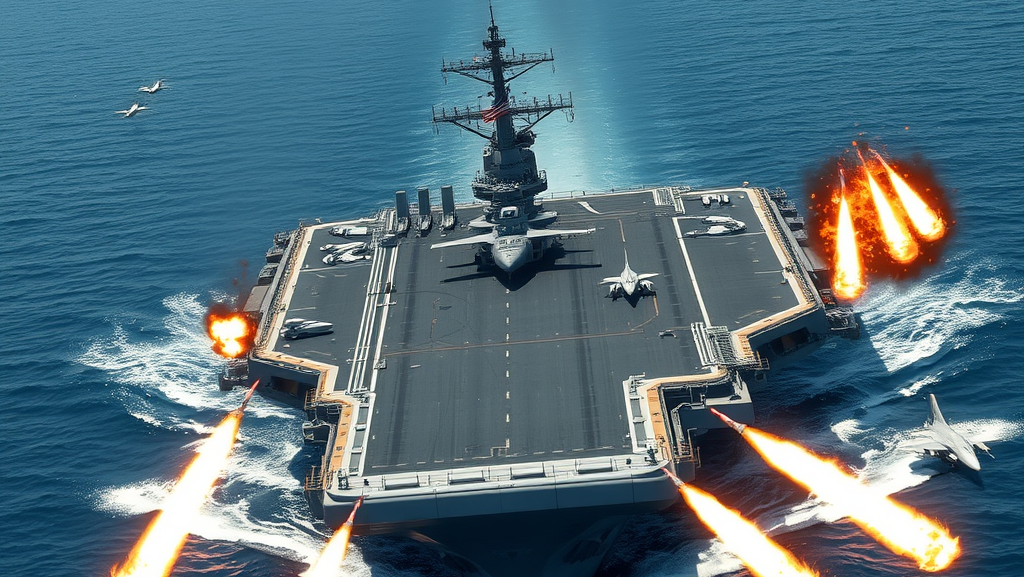
The Red Sea has recently become the center of growing tensions due to a series of attacks carried out by the Houthi rebels, a group that has been active in Yemen. These assaults on ships in this critical maritime region are not only affecting shipping routes but are also having significant ramifications for international trade and the ongoing security crisis in the Middle East. In this article, we will delve into this complex situation and explore the various factors contributing to the escalating violence.
Who Are the Houthi Rebels?
The Houthi rebels, officially known as Ansar Allah, are a political and military movement operating in Yemen. They emerged in the 1990s among the Zaidi Shia community in the northern part of the country. In their early years, their primary goal was to protect the rights of their community, but they have since evolved into a significant player in the ongoing Yemeni conflict.
The Origin of the Conflict
The Houthis are currently engaged in a struggle against the internationally recognized Yemeni government, which is backed by a coalition led by Saudi Arabia. This conflict is not just an internal dispute; it has international dimensions, with countries like Iran supporting the Houthis. The broader conflict in Yemen has been ongoing for years, and millions of people are suffering from the consequences of the war and the resulting humanitarian crisis.
The Attacks and Their Consequences
In March 2025, the Houthi rebels announced that they had launched two attacks on the American aircraft carrier USS Harry S. Truman. This has raised significant concerns about the safety of shipping in the Red Sea, where approximately 75% of vessels flying the American flag now have to take a long and expensive detour around the southern tip of Africa. Previously, these ships used the shorter route through the Suez Canal, which now appears unsafe.
Advertisement


Economic Impact
The necessity of this longer detour has enormous financial implications. The American shipping industry is losing millions of dollars, which could have broader consequences for global trade. Vessels that are on the water longer cause delays and additional costs, which, in turn, affect the prices of goods that we use daily.
Security Issues
Mike Waltz, the National Security Advisor of the U.S., has stated that the last time one of the American destroyers passed through the strait, it was attacked 23 times. This clearly indicates how risky it is to navigate these waters at the moment. The Houthi attacks pose a threat not only to military ships but also to commercial vessels carrying vital goods.
Motivations Behind the Attacks
The Houthi attacks result from various local and regional factors. A significant motivation is their support for Hamas in the conflict against Israel. Since October 2023, they have increased their military activities as a show of solidarity. This points to a broader dynamic in the Middle East, where conflicts are often interlinked.
Strategic Interests
The Houthi rebels are trying to expand their influence in the region and aim to exert pressure on countries they consider enemies, like Israel and its allies. By attacking ships in the Red Sea, they hope to bring attention to their cause and disrupt global trade.
Underdevelopment and Frustration
Years of underdevelopment and the humanitarian crisis in Yemen have led to frustration among the population. Many Yemenis are suffering from hunger and poverty, which may encourage the Houthi rebels to take aggressive actions as a way to express their discontent. The underlying causes of the conflict are therefore complex and cannot be separated from the everyday reality faced by Yemeni citizens.
International Response
So far, the U.S. Navy has not officially confirmed any response to the Houthi attacks, but they have indicated preparedness to respond. Such reactions could range from bolstering military presence in the region to conducting direct strikes on Houthi targets in Yemen.
A Potential Escalation
The risk of further escalation is real. American officials, including former President Donald Trump, have threatened a “decisive and powerful attack” on the Houthi movement. This could lead to a cycle of retaliation where any action by the Houthis triggers a U.S. response.
What Happens Now?
The situation remains dynamic and uncertain. Houthi leader Abdul Malik al-Houthi has announced that his fighters will continue to attack American ships in the Red Sea as long as the U.S. continues its strikes in Yemen. This indicates their determination to persist with military actions, which could further escalate the already tense situation.
International observers and analysts are closely tracking developments. The world watches with concern over this uncertain situation, which affects not only Yemen but also the broader geopolitical landscape in the Middle East.
Conclusion
The Houthi attacks in the Red Sea represent a critical point in a long and complex history of violence and conflict in the region. With a combination of internal and external factors driving the situation, it is evident that a quick resolution to this crisis is unlikely. It is vital for the international community to remain engaged in pursuing a peaceful solution to the conflict in Yemen, so that the Yemeni people can finally have the chance for a better future.



 Dutch Echo
Leave a comment