
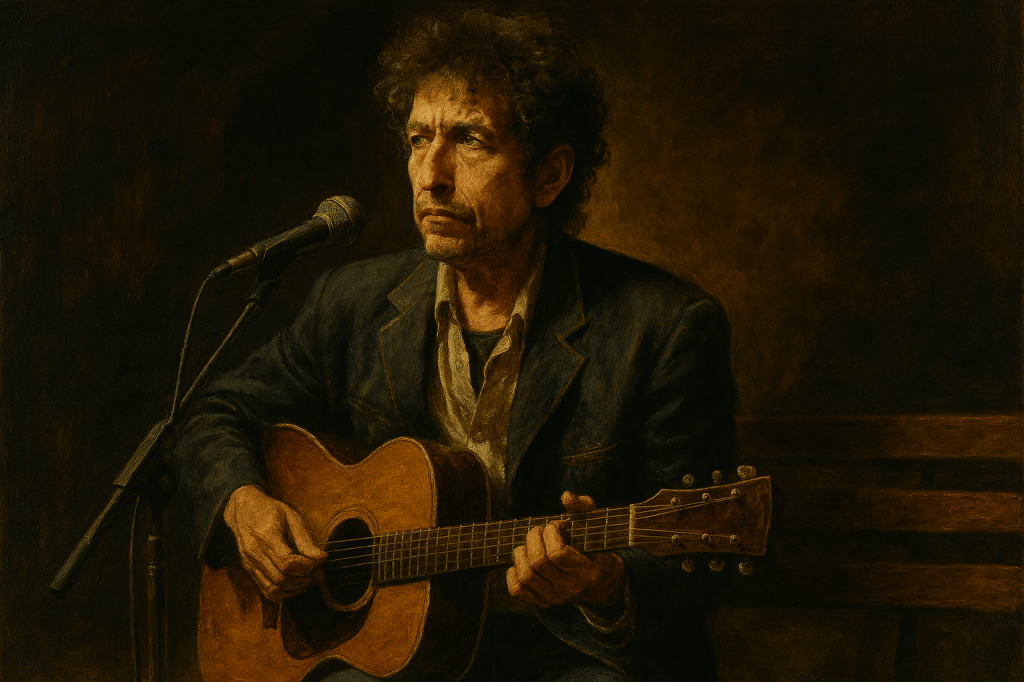
Bob Dylan, born Robert Allen Zimmerman on May 24, 1941, in Duluth, Minnesota, is an iconic American singer-songwriter and artist. Often regarded as one of the greatest songwriters of the twentieth century, Dylan’s influence on music and culture is profound. His poetic and socially conscious lyrics resonate with listeners around the world, making his work timeless.
The Early Years: A Rising Star
Dylan’s musical journey began in the early 1960s when he moved to New York City, aiming to make a name for himself in the vibrant folk music scene. During this time, he got involved in the folk music movement and began performing in various cafes and clubs, including the legendary Gerde’s Folk City. His unique sound and storytelling ability quickly set him apart from his peers.
Influencers and Collaborators
Dylan’s influences included renowned artists such as Woody Guthrie, Pete Seeger, and Robert Johnson, who inspired him with their narratives and musical styles. In New York, he met other musicians and songwriters, like Joan Baez and Dave Van Ronk, who played significant roles in his artistic development. Baez, in particular, helped raise his profile by performing alongside him.
In 1962, Dylan released his self-titled debut album, which primarily featured covers of folk and blues songs. This album marked the beginning of his journey as a singer-songwriter, establishing his reputation as a fresh voice in American music.
Groundbreaking Themes and Songs
Dylan’s ability to combine music with thought-provoking themes has created a legacy that continues to resonate. One of his most iconic songs, “Blowin’ in the Wind,” written in 1962, is a powerful protest anthem addressing issues like peace, freedom, and social justice.
Key Aspects of “Blowin’ in the Wind”
- Questions and Reflection: The song consists of a series of rhetorical questions encouraging listeners to contemplate pressing societal issues such as war, discrimination, and human rights.
- Symbolism: The title “Blowin’ in the Wind” suggests that the answers might be around us but often go unnoticed or unacknowledged.
- Social Impact: The song became an anthem for the civil rights movement in the 1960s and remains relevant in discussions about social justice and peace.
- Live Aid 1985: During the Live Aid concert, Dylan performed the song to raise awareness for the famine in Ethiopia, reasserting its lasting impact.
Advertisement


A Voice for Change
Throughout his career, Dylan has used his music as a platform to address important political and social themes. His songs often reflect a deep engagement with the issues of his time, making him a voice for change and a beacon of hope for many.
Notable Awards and Recognition
Dylan has received numerous accolades, including the Nobel Prize in Literature in 2016, underscoring his profound impact on both literature and music. The award not only honored his songwriting but also recognized the profound messages within his work.
Personal Life: The Man Behind the Music
Bob Dylan is not only known for his music but also for his intriguing personal life. He has four children, including Jakob Dylan, who has also found success as a musician. Dylan was married to Sara Lownds from 1965 to 1977 and later to Carolyn Dennis from 1986 to 1992.
Despite his personal challenges, Dylan remains active in the music industry. He recently announced that he will be performing at the Outlaw Music Festival 2025, proving that his music and influence are still very much alive in contemporary culture.
The Ethiopian Famine: A Call to Awareness
In the mid-1980s, a devastating famine swept through Ethiopia, causing one of the worst humanitarian crises in the nation’s history. Between 1984 and 1985, approximately 1 million people lost their lives due to hunger, conflicts, and forced displacements.
Causes of the Famine
- Drought: A severe drought caused by the weather phenomenon El Niño led to failed crops and food shortages.
- Civil War: Ongoing civil unrest exacerbated the situation. Armed conflicts displaced millions and disrupted food production.
- Poor Governance: The authoritarian regime under Mengistu Haile Mariam employed inefficient and often destructive agricultural policies, worsening the food crisis.
- Economic Factors: High food prices and a weak economy made it impossible for many people to purchase food, even when it was available.
- International Response: The attitude of developed nations towards Africa and limited aid in the early stages contributed to the escalation of the crisis.
Consequences of the Famine
- Human Suffering: More than 260,000 people died, over half of whom were children under five. The famine caused immense human tragedy and suffering.
- International Aid: The crisis sparked global attention and humanitarian efforts, including Live Aid, which raised millions of dollars for aid.
- Policy Changes: The famine forced both the Ethiopian government and international organizations to revise their policies and approaches to food security.
- Long-term Impact: The effects of the famine were enduring, causing lasting damage to the nation’s infrastructure and economy while increasing vulnerability to future crises.
- Displacement: Millions were displaced, leading to a significant refugee crisis in the region.

The Ethiopian famine serves as a poignant reminder of the consequences of natural disasters and conflicts, highlighting the need for international cooperation and humanitarian aid.
Themes in Dylan’s Music
Bob Dylan’s songs are renowned for their profound and versatile themes. His lyrics often tackle a wide range of subjects with a poetic and socially critical approach. Here are some key themes frequently found in his music:
- Love and Loss: Many of Dylan’s songs explore the complexities of love, from romantic relationships to the sorrow of lost love.
- Political and Social Issues: Dylan is famous for his protest songs that address war, social justice, and human rights. Tracks like “The Times They Are a-Changin’” reflect his commitment to important societal issues.
- Existential Questions: His lyrics often contemplate life, death, and the human condition, giving his music a deeper philosophical layer.
- Religious and Spiritual Themes: Throughout various periods of his career, Dylan has infused religious and spiritual elements into his music, leading to songs that question faith and redemption.
- Storytelling and Characters: His music often weaves narratives about various characters, from the oppressed and the outsider to society’s heroes and villains, providing commentary on the broader societal context.
- Nostalgia and Change: Many of his songs reflect on the changes of time and their impact on individuals and communities, often infused with a sense of melancholy.
Dylan’s ability to interweave these themes with his unique musical style makes his work timeless and relevant to generations.
A Cultural Icon
When people think of Bob Dylan, they often recall various significant aspects of his life and career. Some of the most common associations include:
- Musical Innovation: Dylan is often seen as a pioneer in music, pushing the boundaries of folk, rock, and pop. His unique style and poetic lyrics have left a lasting impact on music history.
- Activism: Many contemporaries remember Dylan as a voice of the civil rights and anti-war movements in the 1960s. Songs like “The Times They Are a-Changin’” serve as powerful protest anthems for social and political issues.
- Cultural Icon: Dylan is often viewed as a cultural icon reflecting the spirit of his time. His music and lyrics address the social changes and unrest of the 1960s and 1970s, making him a symbol of that generation.
- Poetic Lyrics: His ability to convey complex and deep themes in his lyrics has earned him respect as a songwriter. Many contemporaries consider him one of the greatest songwriters of all time.
- Influence on Other Artists: Dylan has inspired countless musicians, both in the United States and internationally. Artists like Bruce Springsteen, Neil Young, and The Beatles have openly expressed admiration for him and integrated his style and lyrics into their work.
- Enduring Career: His continuous activity in the music scene, even after more than six decades, reminds people that he is a timeless figure. His recent albums and performances continue to underscore his relevance in today’s music landscape.
- Personality and Mystique: Dylan’s enigmatic and often elusive personality contributes to his legendary status. His reticence in interviews and unique stage presence make him an intriguing figure.
These associations with Bob Dylan extend beyond his music, encompassing his profound impact on culture and society.
Conclusion: A Lasting Legacy
Bob Dylan was born on May 24, 1941, and as of today, March 30, 2025, he is counting down to his 84th birthday! 🎉 His lifelong career and influence on music remain impressive and relevant.
For those interested in exploring more about Bob Dylan, several fantastic resources are available online:
- Wikipedia: The Wikipedia page on Bob Dylan offers an extensive biography, discography, and information about his influential songs. It’s a great place to get an overall view of his career.
- Lust For Life Magazine: This magazine has put together a list of the 50 best songs by Bob Dylan, providing a wonderful way to discover and appreciate his most iconic works.
- Muziekweb: This site features a collection album with 18 classic Dylan songs from the 1962-1989 era, digitally remastered for those wanting an overview of his major hits.
- Legacy Of Music: This resource offers an in-depth look at Dylan’s career, including his role as a protest singer and the impact he has had on music history.
- YouTube: On YouTube, you can find countless performances, music videos, and documentaries about Bob Dylan, giving you a chance to experience his music and stage presence firsthand.
These resources provide a wealth of information and music that will help you appreciate the versatility and depth of Bob Dylan’s work. His legacy continues to inspire new generations, making him a true icon of music and culture.


 Dutch Echo
Leave a comment