
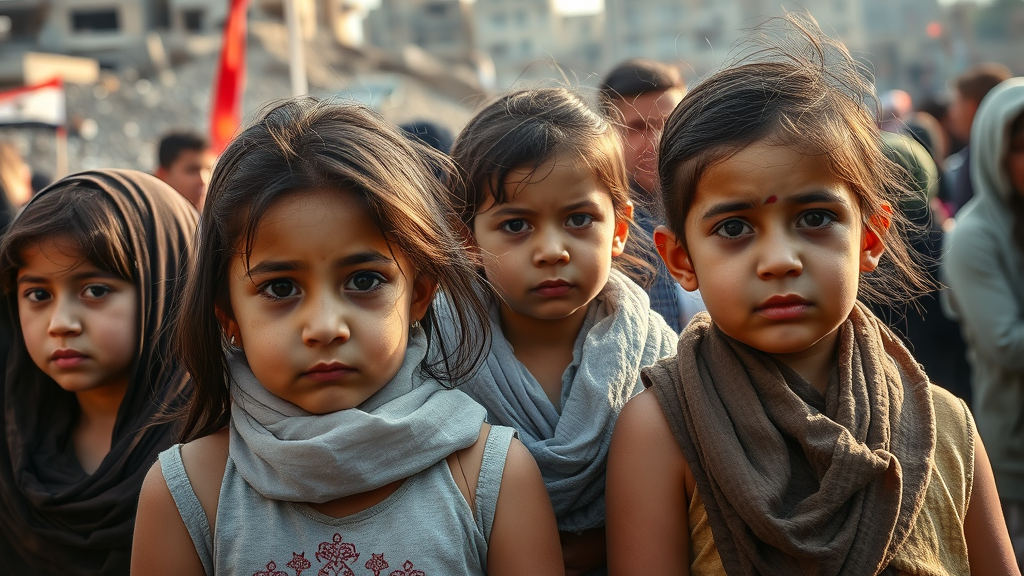
As families around the world come together to celebrate Eid al-Fitr, a festival that marks the end of Ramadan, the situation in Gaza is particularly grim this year. Traditionally, Eid al-Fitr is a time of joy, filled with festivities, prayers, and the buying of new clothes for children. However, for many Palestinians in Gaza, this year is overshadowed by violence, food shortages, and a dire humanitarian crisis.
The Significance of Eid al-Fitr
Eid al-Fitr, often referred to as the “Festival of Breaking the Fast,” is a significant religious holiday for Muslims. It is a time when families gather to share meals, celebrate together, and give thanks for the blessings received during Ramadan. Children wear new clothes, and many people donate to charity, ensuring that everyone can partake in the celebrations. Unfortunately, this year, the situation in Gaza has made such traditions nearly impossible to uphold.
Current Circumstances in Gaza
The people of Gaza are grappling with severe challenges that have significantly dampened the festive spirit during Eid al-Fitr:
Advertisement


- Food Shortages: The ongoing blockade and military actions have resulted in a devastating food crisis. Many families are struggling to find enough to eat, making it difficult to celebrate the holiday in any meaningful way.
- Israeli Bombardments: Continued airstrikes in the region have created an unstable and dangerous environment. Reports indicate that, just on one day, 22 individuals lost their lives, with many of the victims being women and children. These violence-ridden circumstances leave little room for joy or celebration.
- Prayer and Mourning: Many people held prayers outside of destroyed mosques, emphasizing the tragic conditions they find themselves in. While traditionally Eid al-Fitr is a time of celebration, for many, it has turned into a day of mourning and reflection.
- Struggle for Survival: For the two million Palestinians living in Gaza, the focus has shifted from celebration to survival in these challenging times. Each day brings new dangers and uncertainties, and the holiday spirit feels distant.
Escalating Violence
Sadly, the situation in Gaza has only worsened in recent weeks. Key points regarding the escalation of violence include:
- Widespread Bombardments: Recent large-scale Israeli airstrikes have led to substantial casualties. According to Gaza officials, there have been at least 504 deaths resulting from these attacks, exacerbating the suffering of the population.
- End of Ceasefire: On March 18, Israel terminated a previously established ceasefire with Hamas. This action has sparked a new wave of violence, further deteriorating the already precarious situation.
- Humanitarian Crisis: The continued bombings have led to an escalating humanitarian crisis, with thousands of injuries reported and an urgent need for aid. Many aid organizations are struggling to keep up with the overwhelming demand for food, medical care, and shelter.
The Roots of the Conflict
Understanding the backdrop of ongoing violence adds context to the current humanitarian situation in Gaza. Here are some critical aspects:
- Surprise Attack by Hamas: The latest escalation began with a surprise attack by Hamas on October 7, 2023. Militants broke through the border fences and launched assaults on Israeli settlements, resulting in immediate and severe retaliation by Israel.
- Termination of the Ceasefire: On March 18, 2025, Israel unilaterally ended the previously established truce with Hamas, which resulted in intensified bombings in Gaza. This marks a significant turning point that renewed the cycle of violence.
- Justification of Actions: Israel has justified its retaliatory strikes as a response to Hamas violence, claiming it targets military objectives. However, these attacks have also led to a high number of civilian casualties and worsened the humanitarian crisis.
- International Reactions: The global community has reacted with growing concern and calls for a ceasefire. Yet the fighting has persisted, and many countries are struggling to find a way to mediate the conflict.
Recent Developments and Ongoing Tensions
The conflict remains dynamic, with recent actions by Hamas drawing global attention:
- Surprise Assault: On October 7, 2025, Hamas launched a surprise attack, breaking through border fences and targeting Israeli military positions and settlements. This has intensified hostilities and led to severe reprisals from Israel.
- Israeli Response: In reaction to these attacks, Israel intensified its bombardments in Gaza, resulting in significant civilian casualties and a deteriorating humanitarian situation.
- Current Status: Despite the escalation, Hamas has recently expressed a willingness to accept a ceasefire proposal. However, the situation remains tense, with thousands injured and a growing humanitarian crisis resulting from the ongoing violence.
- Global Concerns: The international community has voiced significant concerns regarding the conflict, issuing calls for a ceasefire. However, the fighting continues, and no resolution seems imminent.
The Issue of Refugee Resettlement
Another critical aspect in the discussion of Gaza’s situation is former U.S. President Donald Trump’s proposal to temporarily relocate Gazans to neighboring nations like Egypt and Jordan. Here are some points related to this controversial suggestion:
- Rejection by Egypt and Jordan: Both countries have firmly rejected Trump’s proposal to accept Gazans, even temporarily, emphasizing their unwillingness to take in refugees from the conflict-ridden area.
- Trump’s Statements: Trump has highlighted the devastation in Gaza and repeatedly called on neighboring countries to accept refugees, specifically naming Egypt and Jordan.
- Mixed International Reactions: While some have expressed mixed opinions about the proposal, it is clear that most neighboring nations are unprepared to assume such responsibilities, raising concerns about the humanitarian plight in Gaza and the future of Palestinians.
- Current Situation: With the rejection of these proposals, the situation in Gaza remains highly volatile, making any potential temporary relocation of displaced persons unlikely.
Conclusion
The current circumstances in Gaza paint a heart-wrenching picture of hardship and resilience amid violence. While Eid al-Fitr should be a time for joy and celebration, many find themselves in a fight for survival. The escalating violence, food shortages, and humanitarian crisis have drastically altered the landscape in the region. As the world watches and expresses concern, the hope for peace and stability seems more essential than ever. Understanding this situation is crucial, especially for younger generations, as they will be directly impacted by the solutions we seek today.



 Dutch Echo
Leave a comment