
Nigeria, known for its rich cultural diversity, is home to an energetic music scene that has captured the hearts of many. From the infectious rhythms of Afrobeat to the modern sounds of Afrobeats, the country’s music reflects its history, traditions, and the vibrancy of its people. This article explores the influential artists and the evolution of Nigerian pop music, making it accessible for younger audiences.
The Rise of Afrobeat
Afrobeat, a genre that fuses traditional African music with jazz, funk, and highlife, gained popularity in Nigeria during the 1960s. It was pioneered by the legendary musician Fela Kuti, who used his music as a powerful tool for social and political change. With its intricate rhythms and strong messages, Afrobeat became a voice for the people, addressing issues like corruption and inequality.
Fela Kuti’s concerts were not just performances; they were political statements. His ability to captivate crowds with his energetic style and rhythm made him a significant figure in Nigeria’s music history. The influence of Afrobeat continues today, with numerous artists drawing inspiration from Fela’s work while adding their unique flair.
Advertisement

Iconic Artists of Nigeria
Several artists have made significant contributions to the Nigerian music scene, each with their distinct sounds and styles.
1. Atela
One of the rising stars in the Nigerian music scene is Atela, whose full name is Francis Orterver Shima Atela. Born on November 26, 1994, in Jos, Plateau State, Nigeria, Atela combines traditional Nigerian influences with modern sounds like R&B and soul. He is known for his high-energy performances and strong emotional connection with his audience.
Atela gained widespread recognition for his collaboration with Od Woods on the hit single “Today.” The song showcases his impressive vocal capabilities and songwriting talent. As he continues to release new music, Atela’s fan base grows, especially among younger audiences who resonate with his innovative sound. With over 62,000 followers on Instagram, Atela actively engages with his fans by sharing updates about his music and personal life.
2. Bongos Ikwue
Bongos Ikwue, born on June 6, 1942, in Otukpo, Benue State, has been a significant figure in Nigerian music for decades. Known as a pioneer of Afrobeat and highlife, Bongos has a rich musical history that reflects themes of love and social justice. His hits like “Still Searching” and “Searching” demonstrate his unique style that resonates with audiences across generations.
Bongos Ikwue’s influence is vast, with many contemporary artists using his music as a source of inspiration. His work remains a staple at events and radio stations, proving that his sound continues to inspire and connect with listeners.
3. Da Lupperz Band
The Da Lupperz Band is a dynamic group that distinguishes itself with energetic live performances that bring together diverse music styles. Known for their refreshing blend of Afrobeat, highlife, and modern pop, Da Lupperz frequently collaborates with other artists, including Atela and Bongos Ikwue.
Their performances often feature a vibrant mix of music and dance, creating an unforgettable experience for concertgoers. Recently, they participated in The BIG Concert organized by the Shyne Band, showcasing their talent and the rich musical traditions of Nigeria.
The Evolution of Nigerian Pop Music
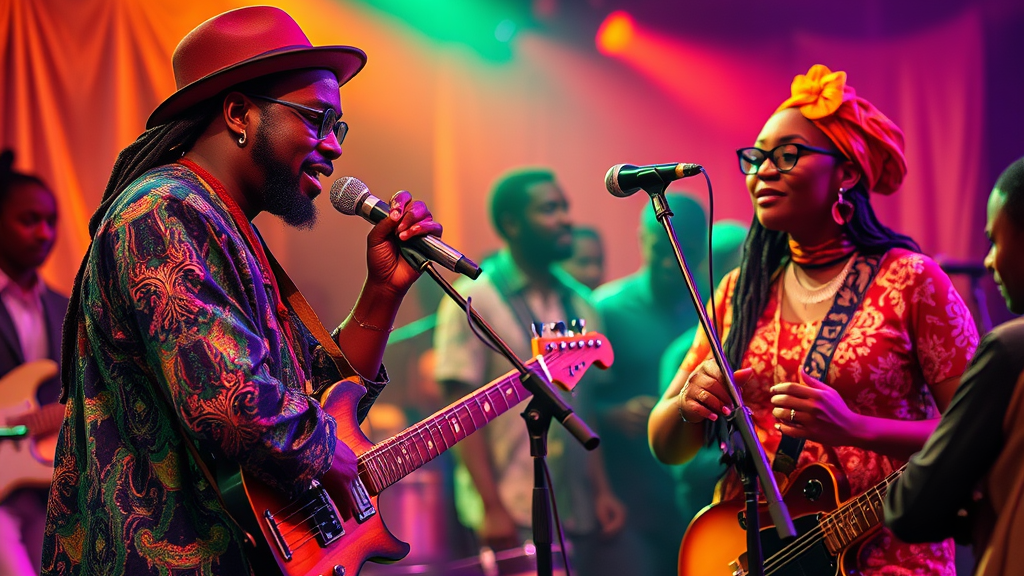
Since Nigeria gained independence in 1960, its pop music has undergone significant transformations, each reflecting societal changes and evolving tastes.
1. The 1960s: Independence and Afrobeat
With independence came the rise of Afrobeat, which combined traditional African sounds with jazz and funk influence. Artists like Fela Kuti emerged as voices for social change, leveraging music to address political issues.
2. The 1970s and 1980s: Disco, Funk, and Reggae
The global disco and funk movements found their way into Nigeria, influencing bands such as The Funkees. During this era, reggae music also gained popularity, with artists like Majek Fashek contributing to the diversity of Nigerian music.
3. The 1990s: Hip Hop and R&B
The 1990s marked the rise of hip hop, with artists like 2Baba (formerly 2Face Idibia) and D’banj climbing to mainstream recognition. R&B also became more mainstream, influencing a generation of emerging artists.
4. The 2000s and Beyond: The Rise of Afrobeats
In recent years, the modern Afrobeats genre has emerged, blending Afrobeat with hip hop and dancehall, gaining international recognition. Artists like Wizkid, Davido, and Tiwa Savage have brought Nigerian music to global stages, collaborating with international artists and reaching vast audiences.
5. Cultural Impact and Globalization
Nigerian pop music’s impact transcends borders. The rise of social media and streaming platforms has made it easier for Nigerian artists to share their music worldwide, leading to a surge of new talent and styles. This has fostered collaborations with artists around the globe, showcasing Nigeria’s rich musical landscape.
The Future of Nigerian Music
The future of Nigerian music looks promising as new artists continue to arise, introducing innovative sounds that captivate younger audiences. The blend of traditional elements with contemporary influences ensures that the music scene remains fresh and dynamic.
Moreover, the acknowledgment of Nigerian pop music on international platforms reflects its growing influence across the globe. As more artists carve their paths, the potential for creative collaborations and musical explorations appears limitless.
Conclusion
Nigeria’s music scene is a vibrant tapestry representing its diverse culture, history, and the voices of its people. From the revolutionary sounds of Afrobeat to the modern rhythms of Afrobeats, the evolution of Nigerian pop music tells a story of resilience, creativity, and innovation.
With rising stars like Atela and established icons like Bongos Ikwue, the music scene continues to thrive, influencing generations and bridging cultural gaps around the world. As young music enthusiasts engage with this rich heritage, they contribute to an ever-evolving narrative, ensuring that Nigerian music remains a powerful force on the global stage. 🎶

 Dutch Echo
Leave a comment