
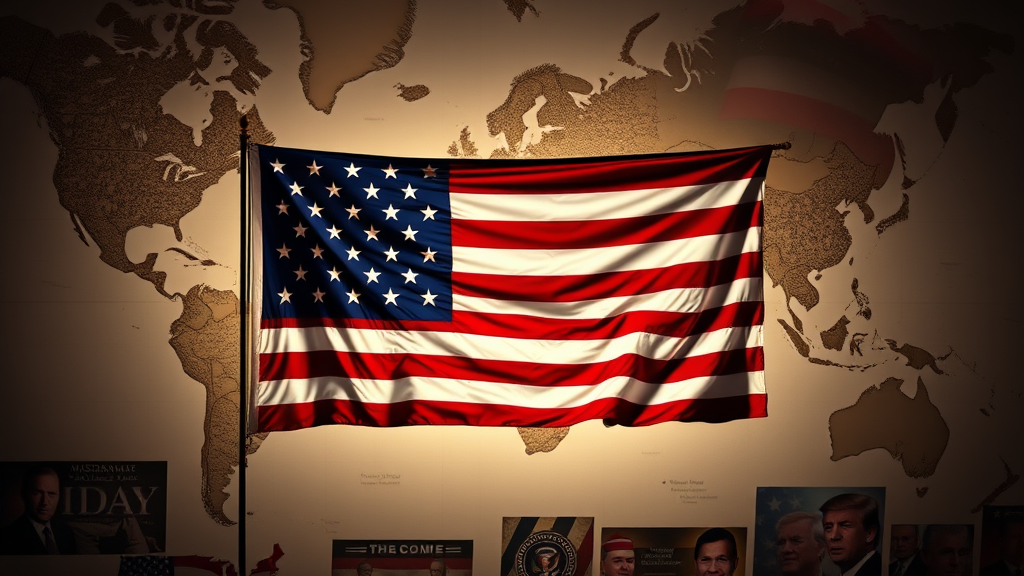
In the ever-changing landscape of global politics, former President Donald Trump has become a prominent figure, especially known for his policies that emphasize nationalism over globalism. This article explores Trump’s vision and approach, the debate between internationalism and globalism, and how these concepts are shaping the future of national states and democracy.
Trump’s Nationalist Agenda
Donald Trump’s political career has been significantly characterized by his “America First” mantra. This slogan encapsulates his belief that prioritizing American interests is essential for national security and economic prosperity. His administration made several moves to retract global engagements and focus efforts on domestic policies that he believed would benefit American workers.
Advertisement


Economic Protectionism
One of the most immediate impacts of Trump’s presidency was his approach to trade. Trump took a protectionist stance, arguing that previous trade agreements were detrimental to U.S. industries and workers. He imposed tariffs on goods from countries like China, asserting that these tariffs would protect American jobs. The intention behind this policy was to stimulate the domestic economy by encouraging consumers to buy American-made products rather than imported ones.
Immigration Policies
Trump’s immigration policies further demonstrated his nationalist vision. He implemented strict measures to limit immigration, arguing that controlling borders is crucial for national security. His administration built a wall along the U.S.-Mexico border and introduced travel bans from several predominantly Muslim countries. This hardline approach resonated with many Americans who felt that uncontrolled immigration posed a threat to their job opportunities and cultural identity.
A Focus on Sovereignty
Trump’s presidency was marked by a clear emphasis on national sovereignty. He often criticized international agreements and organizations, viewing them as constraints on U.S. power. For instance, Trump withdrew the United States from the Paris Agreement, a global accord aimed at combating climate change, arguing that it imposed unfair regulations on American businesses. This withdrawal highlighted his belief that the U.S. should not be obligated to conform to international norms that he deemed harmful to its interests.
The Debate Between Internationalism and Globalism
To understand the implications of Trump’s policies, it’s essential to differentiate between internationalism and globalism. Both terms reflect different approaches to how countries can engage with each other, but they carry distinct meanings and implications.
What is Internationalism?
Internationalism emphasizes cooperation among countries to achieve common goals, such as peace, security, and economic development. Unlike globalism, internationalism respects national sovereignty and encourages countries to work together while maintaining their identities and governance structures. Organizations like the United Nations embody internationalist principles, as they seek to foster dialogue and understanding among nations without undermining their autonomy.
What is Globalism?
On the other hand, globalism advocates for a world where national borders are less significant, promoting the idea that global cooperation can solve pressing issues like climate change, economic disparities, and human rights abuses. Globalists believe in the integration of economies and cultures, often supporting free trade agreements and multinational organizations. Critics of globalism argue that it can erode national sovereignty, leading to a loss of local cultures and economies to multinational corporations and decisions made far from home.
The Tension Between the Two
The tension between internationalism and globalism has created significant political debates in recent years. Trump’s policies are primarily anchored in nationalism, a reaction against globalist trends that many Americans feel have neglected their interests. This has led to a divide, where some people support the idea of working together globally, while others prioritize protecting their national identity and sovereignty.
Advertisement


The Role of Democracy in a Globalized World
Trump’s presidency also raises critical questions about the future of democracy in an increasingly globalized context. Globalization often brings about economic growth and cultural exchange, but it can also lead to challenges that undermine democratic values.
The Risks of Globalization
One of the main concerns about globalization is the concentration of power. As multinational corporations gain influence, there is a fear that they may prioritize profits over the welfare of citizens. This can lead to a situation where the average person’s voice is drowned out by powerful economic entities. Critics argue that globalization can create a disconnect between government officials and their constituents, leading to disillusionment with the democratic process.
Preservation of National Values
Conversely, some advocates for nationalism believe that focusing on national interests can rekindle democratic engagement. By emphasizing domestic policies and representing the voices of ordinary citizens, leaders like Trump aim to restore faith in governmental institutions. Trump’s administration appealed to voters who felt left behind by globalization, arguing that their concerns deserved attention and action.
The Future of Democracy
Looking ahead, the challenge lies in finding a balance between maintaining national sovereignty and promoting international cooperation. Countries may need to adapt their democracies to the realities of a globalized world, ensuring that citizens’ voices are heard while also engaging with global challenges. This may involve new forms of governance that incorporate both national priorities and international collaboration.
Conclusion
Donald Trump’s presidency has had a profound effect on international politics and discussions surrounding nationalism and globalism. His “America First” approach, characterized by protectionism, strict immigration policies, and a focus on national sovereignty, has resonated with many who prioritize their national identity over global cooperation.
The ongoing debate between internationalism and globalism is critical as we navigate the future of democracy and national states. As the world becomes more interconnected, it is essential to find a way to balance national interests with the need for collaborative efforts to tackle global challenges. Ultimately, understanding these dynamics will be crucial in shaping policies that reflect the values and priorities of citizens around the globe.


 Dutch Echo
Leave a comment