
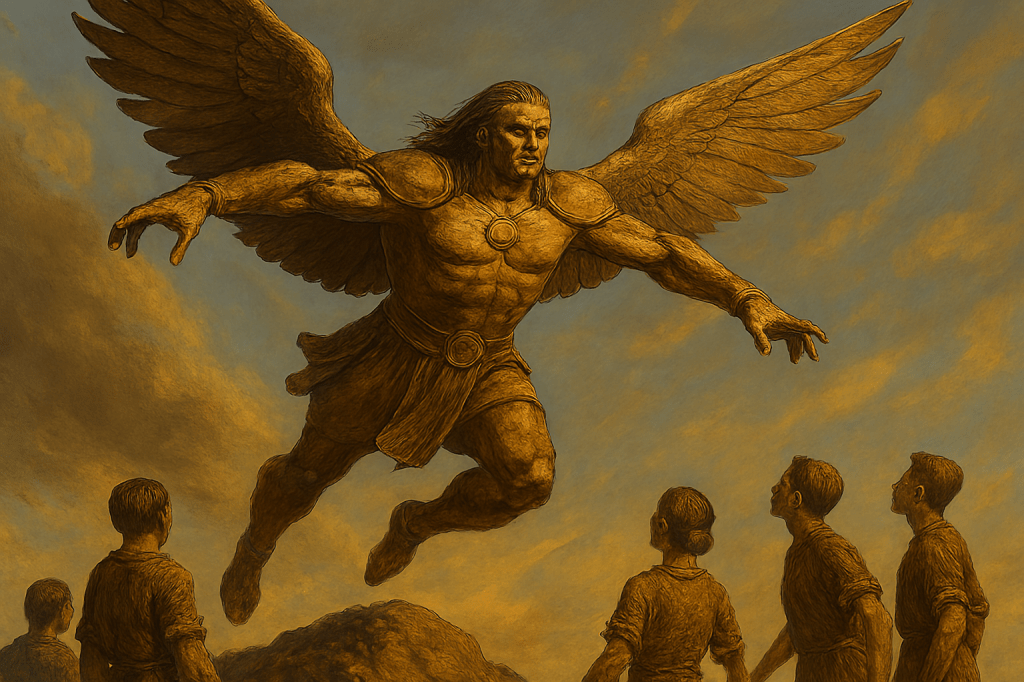
The Anunnaki are a captivating group of deities from Mesopotamian mythology, which includes ancient cultures such as the Sumerians, Akkadians, Assyrians, and Babylonians. Their stories have captured the imagination of people for centuries, not only for their historical significance but also for the theories and interpretations that have emerged in modern times. This article explores the origins, roles, and modern reinterpretations of the Anunnaki, while also delving into their connections to biblical stories and their potential spiritual implications for the future.
1. Origins and Meaning of the Anunnaki
The name “Anunnaki” translates to “those who came from heaven to earth.” This title reflects their role as intermediaries between divine and human realms. In ancient Sumerian texts, they are often referred to as the “princely offspring” or “descendants of An,” who was considered the supreme god. The Anunnaki are commonly depicted as creators who bestowed knowledge, culture, and civilization upon humanity, playing a crucial part in the creation myths of Mesopotamian societies.
These gods governed various aspects of life, including agriculture, law, and religion, underlining their significance in everyday existence. The Anunnaki are often represented as powerful rulers who maintained order in the universe.
Advertisement

2. The Role of the Anunnaki in Mythology
In ancient Mesopotamian mythology, the Anunnaki were seen as transformative beings who shaped the destiny of humanity. Their influence extended beyond mere folklore; they were believed to be involved in the creation of humans, tasked with ensuring that people served the gods.
The epic tales about the Anunnaki remain essential in understanding the Mesopotamian worldview. They are often depicted as involved in the great flood narrative, similar to the biblical Noah’s Ark story, showcasing their protective and punitive roles.
3. Modern Interpretations and Controversies
In contemporary discussions, the Anunnaki have sparked various theories, some leaning towards conspiracy and others diving into the realm of pseudoscience. A subset of these theories posits that the Anunnaki were extraterrestrial beings who visited Earth in ancient times, influencing human progress and civilization.
These interpretations, while intriguing, tend to lack substantial evidence and are often viewed skeptically by historians and archaeologists. Many people still find the legends of the Anunnaki intriguing due to their rich storytelling and the mystery they embody.
4. Link to Biblical Narratives
One of the most interesting aspects of the Anunnaki mythology is its connection to biblical stories, particularly in the context of the Old Testament. Here are some points of intersection worth considering:
a. The Anakim
In the Old Testament, the Anakim are mentioned as a race of giants in the books of Deuteronomy and Numbers. Some researchers suggest that the name “Anakim” might be derived from “Anunnaki,” potentially linking these two groups.
b. The Nephilim
The Nephilim, described in Genesis 6:1-4 as “sons of God” who interacted with “daughters of men,” are often associated with the Anunnaki. In various interpretations, the Nephilim are viewed as the progeny of divine beings, drawing parallels with the narrative of the Anunnaki.
c. Mythological Parallels
Both the Anunnaki and biblical stories contain themes of divine intervention and the shaping of humanity’s fate. The Anunnaki are depicted as creators who provide knowledge and culture to humanity, echoing God’s role in the biblical creation narrative.
d. Scholarly Debates
The scholarly community continues to explore the relationship between the Anunnaki and biblical texts. Some theorists argue that Sumerian myths served as precursors to many Old Testament narratives, while others emphasize the distinctions between these stories.
5. The Historical Context of the Anunnaki
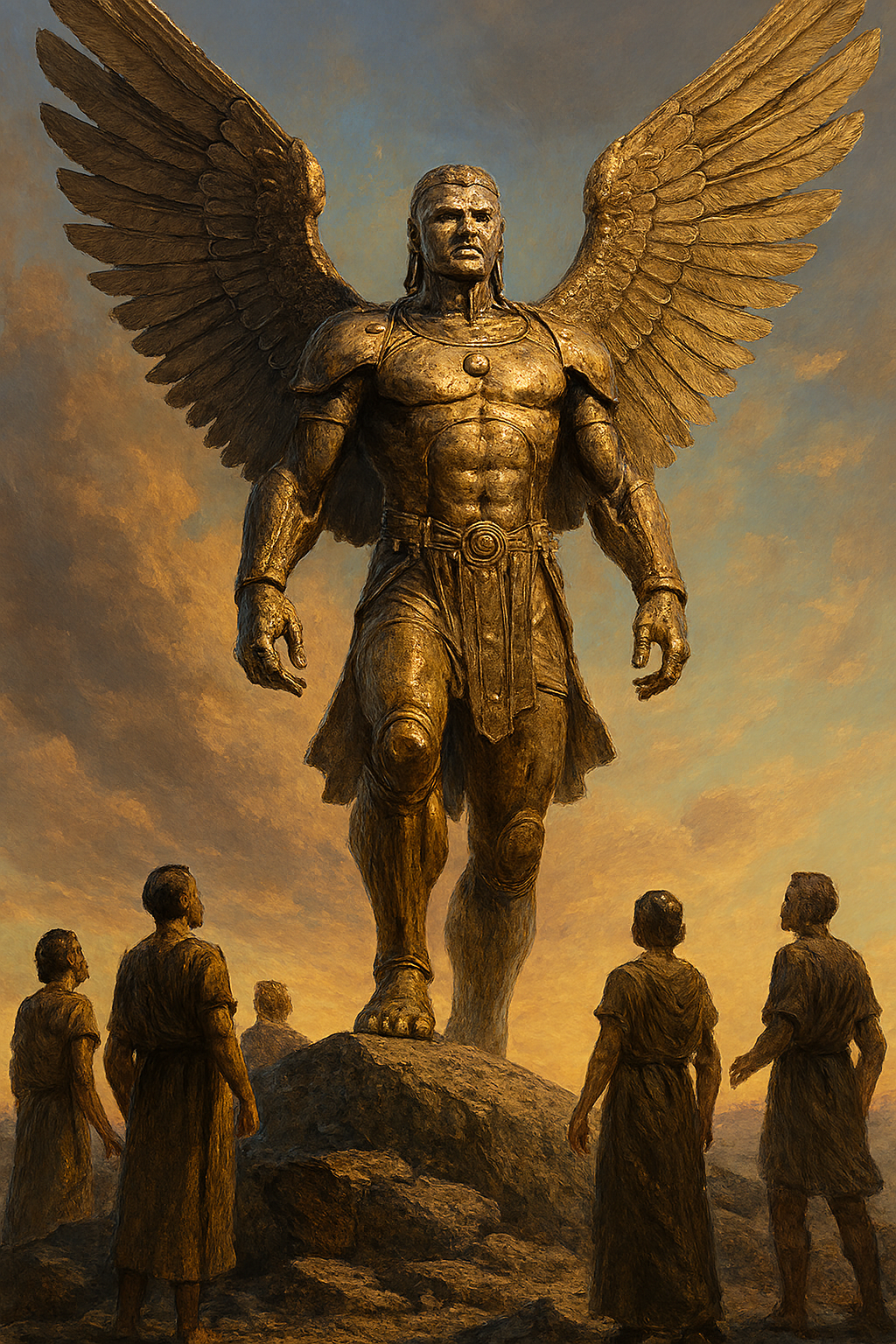
While the Anunnaki are mythological figures, they are often placed within the historical context of ancient Mesopotamian civilizations:
a. The Ancient Mesopotamian Eras
The Anunnaki are mostly associated with the Early Sumerian period, which began around 3500 BC. During this time, the first cities and societies emerged in Mesopotamia, marking a significant chapter in human history.
b. Symbolic Mythology
In mythology, the Anunnaki are depicted as gods involved in the creation of humanity and the development of civilization. While this may not correspond to a strictly historical timeframe, these tales symbolize the evolution of human society and culture.
c. Connection to Human History
Although the Anunnaki are mythological, some theories suggest that their stories may have been inspired by historical events and figures from early Mesopotamian history.
d. Modern Speculations
In modern times, some theories connecting the Anunnaki to extraterrestrial beings have emerged, spurring controversial debates in both scientific and popular discourse.
6. The Story of Enki and Enlil
The narrative surrounding Enki and Enlil is one of the most engaging in Mesopotamian mythology. These two gods exemplify the complex dynamics within the pantheon:
a. Who Are Enki and Enlil?
Enki, also known as Ea in Babylonian tradition, is the god of water, wisdom, and creation. He is often portrayed as a benevolent deity who aids humanity, offering knowledge and technology.
Advertisement


Enlil, the god of air and storms, is a principal figure in Sumerian mythology, often seen as a stern and powerful god responsible for cosmic order.
b. The Creation of Humanity
Myths depict that the gods created humanity to serve them. Enlil initially viewed humans as burdensome and contemplated their destruction. However, Enki intervened on humanity’s behalf, advocating for their survival.
c. The Flood Myth
A renowned story featuring Enki and Enlil is the flood narrative. Frustrated with humans, Enlil decided to impose a great flood. Enki, favoring humanity, warned a just man named Ziusudra (or Utnapishtim in the Babylonian version) about the impending disaster, guiding him to build an ark to save his family and animals.
d. The Dynamic Between the Two Gods
The relationship between Enki and Enlil often reflects conflict and cooperation. Enlil embodies authority and a rigid order, while Enki symbolizes compassion and creativity. Their interplay illustrates the need for balance between order and chaos, signifying core themes in human existence.
e. Cultural Impact
The stories of Enki and Enlil wield significant influence in Mesopotamian culture and have been reverberated through art, literature, and religious texts.
Conclusion
The Anunnaki remain a fascinating topic in the study of Mesopotamian mythology, interweaving narratives that inspire various interpretations. Their stories not only shape our understanding of ancient civilizations but also elicit contemporary discussions related to spirituality, extraterrestrial hypotheses, and our understanding of the unknown.
As humanity continues to advance in technology and explore outer space, the Anunnaki stories may evolve, potentially reshaping our spiritual and cultural landscapes. Regardless of how one perceives the Anunnaki, their legacy continues to intrigue and inspire young minds to explore the wonders of mythology, history, and the mysteries of existence.


 Dutch Echo
Leave a comment