
Every year on May 4th, the Netherlands observes its National Memorial Day, a solemn occasion dedicated to honoring all the victims of wars and peacekeeping missions. This pivotal day serves as a poignant reminder of the sacrifices made throughout history and the enduring value of peace and freedom.
The Importance of Silence
At precisely 8:00 PM, a two-minute silence is observed across the nation. This moment of quiet reflection is incredibly significant, as it allows individuals to contemplate the impact of war and pay their respects to those who have lost their lives. Whether in public squares, at home, or at ceremonies, people pause to remember the sacrifices of the past and express solidarity with the families of those affected by conflict.
Advertisement
A Rich History
The tradition of the National Memorial Day emerged shortly after World War II, evolving into a yearly event that serves to keep the memories of those lost alive. Initially, the day was focused on the victims of the Second World War; however, over the years, it has expanded to include victims of all wars and conflicts involving the Netherlands. This includes a diverse range of individuals affected by military actions, from civilians caught in crossfire to soldiers who fought in various conflicts.
Activities Across the Country
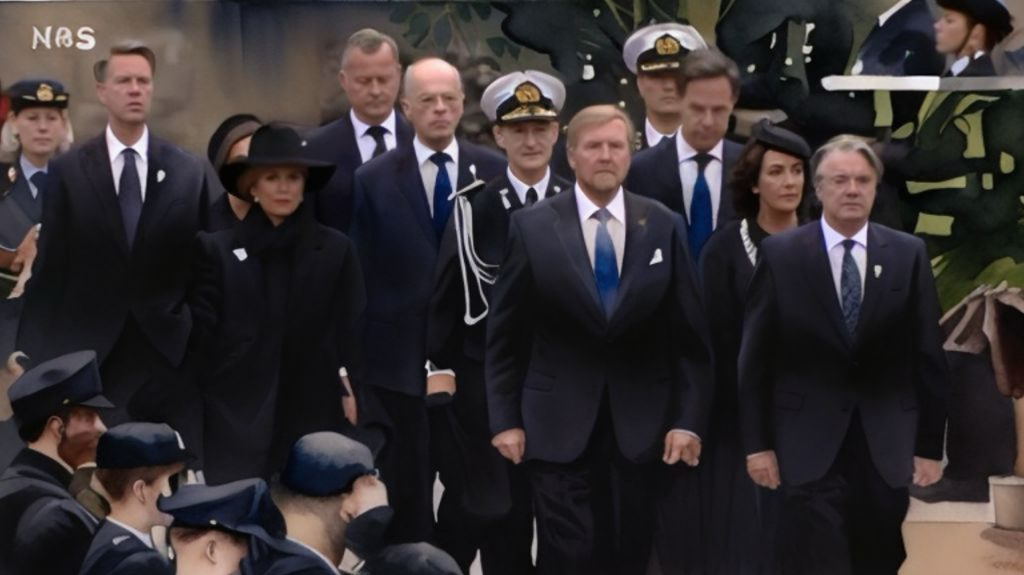
On this day, nearly every municipality in the Netherlands organizes memorial events. These can range from solemn ceremonies at national war monuments to quiet walks of remembrance. The most prominent memorial service takes place at the National Monument on the Dam in Amsterdam. This event often features speeches from key figures, including the King and other political leaders, who pay tribute to those who lost their lives while fighting for liberty.
Honoring a Diverse Range of Victims
While the day primarily focuses on recognising the sacrifices made during World War II, it expands to include various groups impacted by military actions and conflicts:
- Civilian Victims: The silent casualties of war, those who suffered from bombings, violence, and persecution.
- Military Victims: This includes soldiers from the Dutch armed forces who have died in combat or during peacekeeping missions.
- Victims of Genocide and Persecution: Individuals who lost their lives during mass persecutions, notably those who suffered during the Holocaust.
- Victims of Peacekeeping Operations: Those who have fallen during peacekeeping efforts, such as in Afghanistan and other international conflicts.
The memorial serves as a significant time to contemplate the value of peace, unity, and the human cost of conflict—reminding everyone that war impacts countless lives beyond just the battlefield.
Expanding the Narrative: Recognizing Palestinian Victims
In recent years, there has been increased awareness around acknowledging Palestinian victims during the National Memorial Day. This recognition is particularly relevant given the ongoing conflicts and the plight of civilians in Gaza. Alternative memorial events have emerged, emphasizing solidarity not only with local victims of war but also with those facing turmoil elsewhere.
These alternative services encourage inclusivity and foster discussions about the broader impacts of violence and conflict on various communities globally. While there may be some debate surrounding the acknowledgment of Palestinian victims during the day of remembrance, many supporters argue that it is vital to recognize the suffering of all people affected by violence and war.
Understanding Russian Casualties
The conflict in Ukraine has also brought attention to Russian casualties, including soldiers who have died as a result of the ongoing war. The estimated number of Russian soldiers lost varies significantly, with some reports suggesting figures as high as 165,000 to 500,000 casualties. This topic remains sensitive and complex, as the acknowledgment of lives lost on both sides can evoke strong emotions and opinions.
This unfolding narrative underscores the importance of recognizing the human cost of conflict. The discussions surrounding these casualties contribute to a more nuanced understanding of war and the interlinked fates of those involved.
The Inclusiveness of Remembrance
The National Memorial Day seeks to be inclusive of all victims, regardless of their background or the nature of their involvement in a conflict. The intention is not only to honor the Dutch victims but also to pay tribute to those caught in the crossfire of violence, regardless of their nationality. The focus is on human suffering and the need for compassion and understanding.
Recent public opinion surveys show a growing acceptance among the Dutch population for acknowledging German soldiers who died during World War II, reflecting a broader understanding of the complexity of war. Many people now see the importance of mourning for all victims, regardless of their history or the role they played during conflicts.
International Participation
The National Memorial Day often attracts foreign guests, including diplomats, veterans, and representatives from other nations. Their presence signifies international solidarity and shared responsibility for remembering the victims of war. Events at specific war memorials sometimes see attendees from various countries who want to honor the sacrifices of their fellow citizens.
This spirit of cooperation highlights the necessity for mutual understanding and support in addressing the collective traumas of war. It serves as a reminder that the lessons learned from history must be shared and memorialized across borders.
Advertisement

The Role of Memorial Flags
During the National Memorial Day, various flags may be seen, including Canadian flags. Canada played a crucial role in the liberation of the Netherlands during World War II, and the presence of their flags symbolizes a deep respect for the sacrifices made by Canadian soldiers. Families of veterans often join the ceremonies, bringing their flags as a tribute to their loved ones’ service.
These displays emphasize the collaborative nature of liberation and the shared journey towards healing and reconciliation. They demonstrate how different nations come together to understand their collective history while advocating for peace.
Challenges and Future Considerations
Despite its significance, the National Memorial Day has faced challenges in recent years due to protests and disruptions, often stemming from political movements and activist groups. While some have sought to make political statements during these solemn occasions, it has led to debate over the true purpose of remembrance and the inclusivity of the day.
Disruptions highlight the complexities of memorializing conflicts, with some calling for a more expansive narrative that includes victims from all corners of the world. Organizers must navigate these challenges carefully while ensuring that the day remains a focus of reflection, respect, and solidarity.
A Day of Reflection and Honor
Ultimately, the National Memorial Day in the Netherlands is a day that invites people of all ages to reflect on the past’s painful realities. It is a reminder of the enduring consequences of war and fosters critical conversations about peace, unity, and compassion. As new generations grow up, it is crucial that the stories of those lost are preserved and honored.
By acknowledging diverse experiences and extending the narrative to include all victims of conflict, the Memorial Day can adapt to the changing needs and sentiments of society, ensuring that it remains relevant and impactful for years to come. In fostering understanding and dialogue, the day serves as an essential opportunity for healing and a collective commitment to peace and remembrance.

 Dutch Echo
Leave a comment