
In recent weeks, the Middle East has witnessed heightened tensions due to rocket attacks launched from Yemen at Israel. As these alarming events unfold, it’s essential to understand the context behind these attacks, the various parties involved, and the possible implications for the region.
The Attack
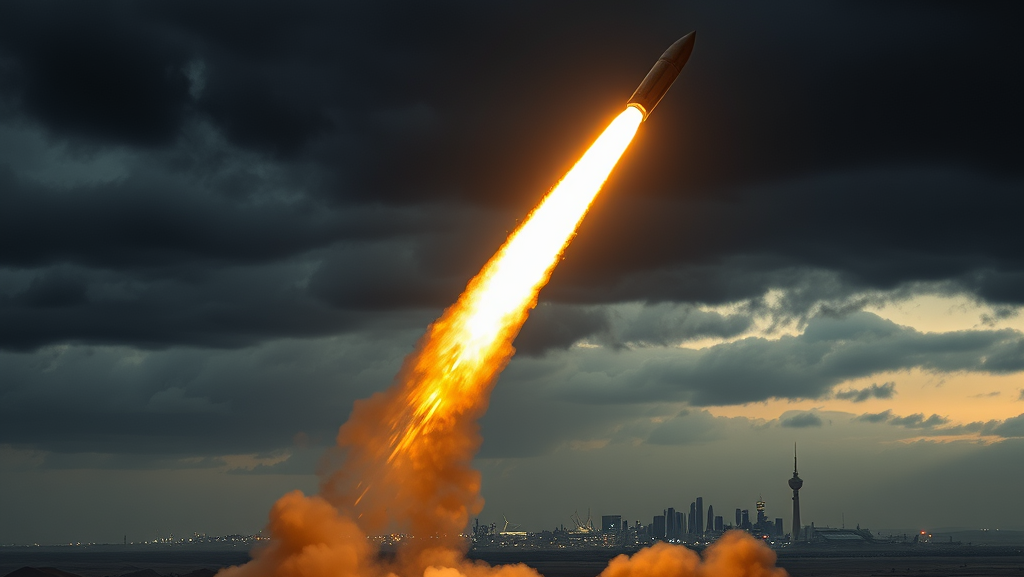
On a Sunday morning, a rocket struck near Israel’s main airport, Ben Gurion, located in Tel Aviv. This high-profile aggression has raised significant concerns within Israel and internationally. The Houthis, a group from Yemen, claimed responsibility for the attack, marking a serious escalation in hostilities that increasingly involve various actors across the region.
Reports have indicated that at least six people were injured in this attack, primarily due to shockwaves and related injuries. In response, Israel has vowed retaliation, heightening fears of further escalations in violence.
Going deeper into the reasoning behind these attacks, various factors contribute to this complex situation:
Advertisement

1. Houthi Movement
The Houthis, a group that emerged in Yemen, have been increasingly vocal in their opposition to Israel, especially in relation to the Israeli-Palestinian conflict. They perceive their attacks as a show of solidarity with Palestinians in Gaza and a reaction to broader geopolitical dynamics involving Israel’s military actions in the region.
The Houthis gained prominence during the Yemeni Civil War, which began in 2014, and have developed military capabilities that allow them to strike far beyond their borders. Their insistence on confronting Israel can be seen as a means to assert their influence and cement their standing within the Arab world.
2. The Role of Iran
Iran provides significant support to the Houthis, equipping them with military resources and technology. This relationship has drawn Iran into the conflict as they are seen backing these actions against Israel. This proxy conflict exemplifies Iran’s willingness to engage indirectly through these groups to challenge Israeli interests.
Iran’s broader strategy revolves around increasing its regional influence and countering what it views as Western and Israeli hegemony in the Middle East. By backing the Houthis, Iran is creating a network of resistance against Israel and its allies.
3. Regional Tensions
The instability engendered by conflicts like the one in Yemen has ramifications that extend well beyond its borders. The ongoing Israeli-Palestinian struggle hasn’t just inflamed sentiments in Gaza; it reverberates across the Middle East. Various countries, groups, and movements express solidarity with the Palestinian cause, and any perceived aggression towards Palestinians can trigger reactions like the recent rocket attacks.
Other entities, such as Hezbollah in Lebanon, have similarly positioned themselves against Israel, making it clear that the confrontations often stem from a blend of historical grievances and current political dynamics.
Israel’s Response
In light of the recent rocket attacks, Israel is gearing up for a robust response. The Israeli military has historically conducted airstrikes against military targets in Yemen and has already indicated that similar actions will follow if further attacks occur. This may involve not only targeting the Houthis but also trying to disrupt Iranian supply lines and military installations across the region.
1. Military Operations
Israel has a track record of conducting airstrikes in response to attacks that threaten its borders or citizens. The recent conflict with the Houthis may lead to increased military operations aimed at dismantling their capabilities. The Israeli Defense Forces (IDF) may undertake a series of targeted strikes designed to minimize Houthi capabilities and deter future aggression.
2. The Humanitarian Impact
The ongoing violence presents severe humanitarian implications for both Yemen and Israel. Citizens of both countries face risks and uncertainties that arise from military escalations. In Yemen, where a humanitarian crisis is already ongoing due to internal conflict, military confrontations could exacerbate existing issues, including food shortages, medical supply deficits, and displacement.
Conversely, in Israel, consistent threats of attack impact daily life and security perceptions, leading to increased military readiness and public anxiety.
The Perspectives of International Allies
The reactions of Israel’s allies, particularly the United States and other Western nations, are crucial determinants in the ongoing landscape. The U.S. has maintained its staunch support for Israel, emphasizing its right to self-defense.
1. U.S. Support for Israel
The United States remains firmly aligned with Israel, offering military aid and advanced weaponry. This support is framed as part of a broader commitment to ensuring Israel’s security in an increasingly volatile region.
2. Diplomatic Initiatives
American officials frequently engage in diplomatic efforts to manage escalations and avert further conflict. This not only includes direct discussions with Israeli leaders but also outreach to Arab nations and groups to mitigate tensions.
Advertisement


3. Humanitarian Efforts
While supporting Israel militarily, there are also calls from various international organizations and humanitarian groups to address the dire situations in Gaza and Yemen. The need for humanitarian assistance continues to grow, and support for relief efforts is essential to alleviate human suffering exacerbated by ongoing conflicts.
The Bigger Picture: A Complex Web of Conflicts
The attacks by the Houthis, backed by Iran and connected to larger regional tensions, must be placed in the wider context of Middle Eastern geopolitics. The persistence of violence reflects a complex web of historical grievances, national ambitions, and regional competition.
Understanding this backdrop allows for greater insight into the motivations of the Houthis and their allies, as well as the desperate need for effective diplomatic solutions that can bring peace to an unruly region.
Conclusion
As the situation continues to unfold, the international community watches closely. The recent attacks highlight the precarious balance in the region and the potential for escalation. Diplomacy and dialogue are crucial to moving toward a more stable and peaceful future. Continued engagement from global powers is necessary to navigate the myriad obstacles that stand in the way of resolution.
Questions remain about the future trajectory of relations between Israel and its neighbors, especially as tensions escalate over issues that have persisted for decades. As youth and future leaders, understanding these dynamics becomes crucial for fostering a more peaceful and equitable future.



 Dutch Echo
Leave a comment