
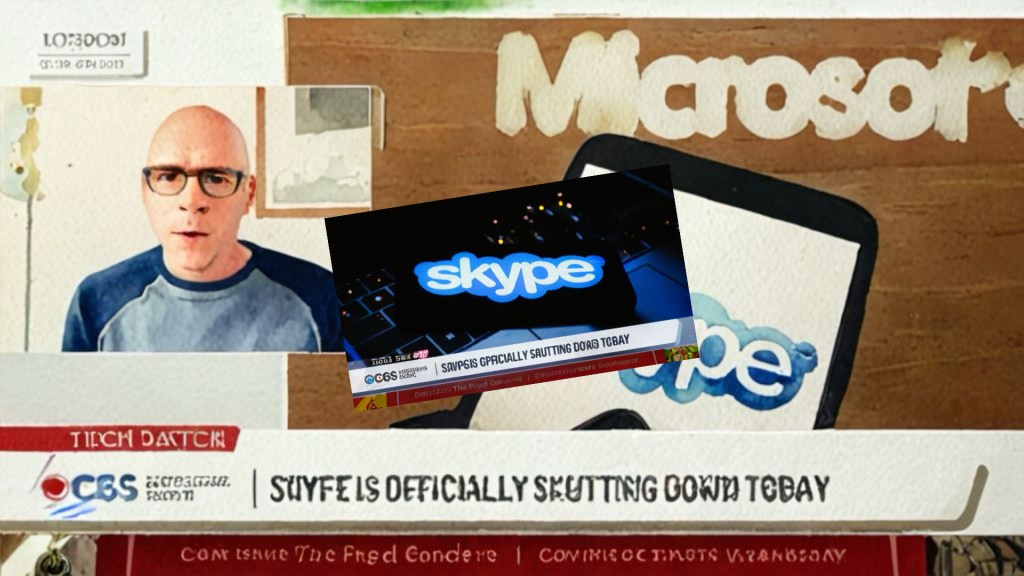
On May 5, 2025, Microsoft officially closed its long-standing communication platform, Skype. After more than two decades of connecting millions of users around the world, Microsoft decided it was time to focus on their newer, more advanced communication and collaboration tool: Microsoft Teams. This decision marks the end of an era for many who have relied on Skype for both personal and professional communication.
The Closure of Skype: Key Points
Official Shut Down
After 23 years of service, Skype has officially been shut down. This decision signifies a major shift in how Microsoft approaches communication. Skype was one of the pioneers in video calling and voice over Internet Protocol (VoIP) services, and its popularity soared in the early 2000s, allowing users to make free calls and video chats over the Internet.
Transition to Teams
Microsoft has encouraged users to transition to Microsoft Teams, which is available for free and offers a more extensive range of features suitable for modern communication and collaboration. Microsoft Teams is aimed at both businesses and educational institutions. The transition process has included extensive support and resources for users familiar with Skype, helping them adjust to Teams’ functionality.
Historical Impact
Over the years, Skype played a significant role in connecting individuals globally. It opened up new ways for people to communicate, breaking down geographic barriers. For many, it was the first platform that made video calls accessible, making it easier for friends and families to connect, regardless of distance.
While the closure of Skype is a bittersweet moment, it is important to recognize the advancements that have come with Microsoft Teams.
Advertisement


Skype vs. Microsoft Teams: The Comparison
Though Skype and Microsoft Teams share some features, they are also quite different in terms of functionality and target users. Let’s explore the similarities and differences:
Common Features
- Communication:
Both platforms offer options for chatting, calling, and video conferencing. Whether you want to message a friend or host a video call for work, both platforms provide the essential tools needed for communication. - Ease of Use:
Both Skype and Teams are designed to be user-friendly. They enable seamless communication, making it easy for users of varying technical skill levels to connect with others. - Integration:
Both Skype and Teams can integrate with other Microsoft products, such as Outlook and OneDrive, enhancing the user experience and making it easier to manage communications and files.
Distinct Differences
- Target Audience:
- Skype: Primarily aimed at individuals and small businesses (fewer than 20 employees), it serves more casual users who require simple communication tools.
- Teams: Created for larger organizations, Teams offers comprehensive collaborative features ideal for extensive team dynamics and project management.
- Functionality:
- Skype: Best suited for informal conversations like catching up with friends or quick chats.
- Teams: Provides a professional environment with advanced features such as project management tools, file sharing, and capabilities for hosting larger meetings.
- Video Calling:
- Skype: Known for its straightforward interface for video calls, making it easy to start a call without complicated settings.
- Teams: Offers more sophisticated video conferencing features, like screen sharing, breakout rooms, and meeting notes, making it suitable for professional environments.
- Integration with Other Tools:
- Teams: Benefits from a broader integration with Microsoft 365 tools—this adds significant value for businesses that rely on multiple software solutions for their operations.
Why Microsoft Made the Shift
The decision to shut down Skype and focus on Teams stemmed from another strategic consideration: adapting to changing communication needs. As businesses evolve and require more sophisticated tools, Microsoft’s move showcases its readiness to cater to modern workplace demands.
Transitioning User Needs
The way people communicate has dramatically changed over recent years. Users now seek more advanced features that promote teamwork, including task management, file sharing, and real-time collaboration. Microsoft Teams offers these capabilities, making it a better fit for current market trends.
Competing in the Market
With the rise of competitors such as Zoom and Slack, Microsoft needed to cement its position in the communication market. Teams is designed to position Microsoft favorably against rivals, featuring a user-friendly interface and numerous functionalities that meet diverse user preferences.
Addressing Technological Challenges
Skype faced issues related to outdated technology. As communication platforms continue to innovate, it became clear that Teams has a more modern architecture that offers better performance and reliability.
Resource Optimization
By discontinuing Skype, Microsoft can focus its resources on enhancing Teams. This not only allows for more efficient development and support of its major product but also ensures that users receive the best possible experience.
Advertisement

The Future of Communication
With the closure of Skype, it is essential to understand how communication will evolve and what challenges remain. While Microsoft Teams has stepped in to fill the gap, other alternatives continue to emerge, providing users with choices that cater to their unique needs.
Bridging the Gap
The transition to Teams appears seamless for many users, but some may find it difficult to adjust to a new platform. Microsoft is actively providing resources and support to help users navigate this change. Tutorials, webinars, and user communities are being established to assist those making the switch.
New Opportunities
For individuals and organizations transitioning from Skype to Teams, the added functionalities present new opportunities for enhanced communication. Teams allows users to conduct meetings and collaborate on projects more efficiently, which is a significant advantage in today’s remote work environment.
A Final Farewell to Skype
The end of Skype signifies a shift in how people will communicate. While the memories of its use linger, the advancements brought forth by Teams show that communication technology is continuously evolving. This evolution is an exciting reminder of how far we’ve come and how much further we can go in enhancing our connections with one another.
In conclusion, as Microsoft continues to invest in Teams, the future looks promising for communication tools. The shift from Skype to Teams underscores the importance of adaptability in a swiftly changing digital landscape, inviting users to embrace new solutions that enhance connectivity and collaboration in their lives.



 Dutch Echo
Leave a comment