
In recent weeks, Ibrahim Traoré, the interim leader of Burkina Faso, has found himself at the center of a unique phenomenon: he is being celebrated in deepfake videos featuring Western artists. These AI-generated clips, which include images of popular figures like R. Kelly, have garnered millions of views online. However, it’s important to note that these videos are not genuine; they are deepfakes that manipulate visuals and audio to create a false narrative. This trend highlights the complex interplay of media, politics, and technology in today’s digital age.
The landscape of West Africa is undergoing a dramatic transformation. Three nations – Burkina Faso, Mali, and Niger, collectively known as the AES countries – are reshaping their international relationships, charting a course that distances them from traditional Western allies and embraces new partnerships with Russia and China. This shift, driven by a complex interplay of political, economic, and security concerns, has profound implications for the region and the wider global order.
Advertisement

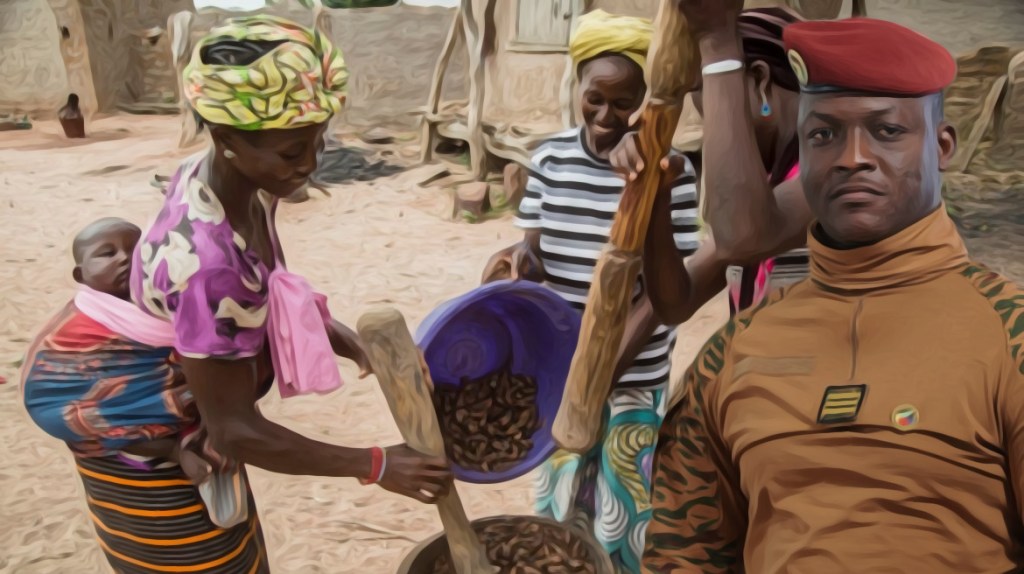
At the heart of this realignment lies a desire for greater sovereignty and control over their own destinies. The AES nations, all grappling with significant challenges including terrorism, economic instability, and historical grievances, have expressed a growing frustration with what they perceive as Western interference and a lack of genuine support. They believe that the new alliances offer a pathway to greater self-determination and a more equitable partnership.
This shift has been most pronounced in Burkina Faso, led by Captain Ibrahim Traoré. Traoré, who came to power in a 2022 coup, has quickly become a symbol of the new direction. His government has been vocal in its criticism of Western policies and has actively sought closer ties with Russia. While his actions have been met with criticism from some quarters, it’s difficult not to acknowledge the weight of the challenges he faces. Traoré, like many in his position, is likely motivated by a genuine desire to improve the lives of his people. The country is grappling with a complex insurgency, and its economy is struggling. One can only imagine the pressures and complexities of such a leadership role.
Mali, which experienced a coup in 2020, has also moved decisively towards Russia. The ruling junta has expelled French troops and has increasingly relied on Russian military support, including the deployment of the Wagner Group, a private military company. While the presence of Wagner has been controversial, with accusations of human rights abuses, the Malian government sees it as crucial for combating the ongoing jihadist insurgency. This decision underscores the urgency of the security challenges facing the country and the willingness to seek assistance wherever it is available.
Niger, which experienced a coup in 2023, has also signaled its intention to move away from Western influence. The new military government has revoked military agreements with France and has indicated a willingness to explore partnerships with Russia and other countries. The country, rich in uranium, has long been a strategic partner of the West, but the new leadership appears determined to renegotiate these relationships on more favorable terms.
The motivations behind these shifts are multifaceted. Firstly, there’s a strong desire for greater security. All three countries are battling extremist groups, including al-Qaeda and ISIS affiliates, which have destabilized the region. The AES governments believe that Russia’s military support can provide a more effective response to these threats than what was offered by their Western partners.
Secondly, there’s an economic dimension. The AES nations are seeking to diversify their economic partnerships and reduce their reliance on Western aid and trade. China, with its massive infrastructure investments and appetite for natural resources, offers a compelling alternative. Russia, with its willingness to trade and its lack of stringent human rights conditions, also presents an attractive option.
Advertisement

Thirdly, there is a growing sense of pan-Africanism and a desire for greater autonomy. The AES countries are part of a larger movement across the continent to resist external interference and to chart their own course. This movement is fueled by a history of colonialism, neocolonialism, and perceived Western hypocrisy.
The consequences of this realignment are far-reaching. For the AES countries themselves, the shift could lead to greater stability and economic development if the new partnerships prove successful. However, there are also risks. Closer ties with Russia and China could lead to increased authoritarianism, as these countries are less likely to prioritize human rights and democratic governance. There is also the potential for increased geopolitical competition and proxy conflicts in the region.
For the West, the loss of influence in the Sahel represents a significant setback. The region has long been a strategic partner in the fight against terrorism and a source of valuable resources. The shift also highlights the limitations of Western foreign policy and the need for a more nuanced approach to engaging with developing nations.
The international community is watching the developments in the Sahel with keen interest. The United Nations, the African Union, and other international organizations are working to mediate the situation and to prevent further instability. However, the outcome remains uncertain. The future of the Sahel will depend on the ability of the AES countries to navigate the complexities of their new partnerships, to address the underlying causes of instability, and to build a more prosperous and secure future for their people.
The situation is dynamic and constantly evolving. The decisions made by leaders like Ibrahim Traoré, and the actions of the international community, will shape the trajectory of this crucial region for years to come. It is a time of great uncertainty, but also of great opportunity. The world watches, hoping for a future of stability, peace, and prosperity for the people of Burkina Faso, Mali, and Niger.


 Dutch Echo
Leave a comment