
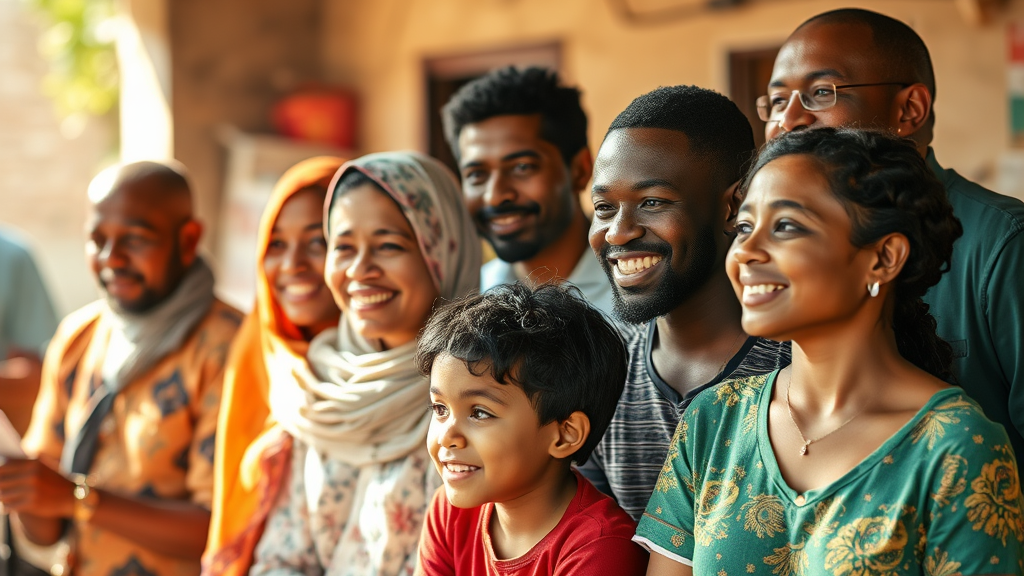
Immigration is a big topic. It’s something that’s happening all over the world, and it affects everyone, whether you’re moving to a new country or living in a place where many people are arriving. This article will try to explain what immigration is, why it happens, and some of the good and bad things that come with it. We’ll look at how different countries handle it, and try to make it all easy to understand.
What is Immigration?
Simply put, immigration is when people move from one country to another to live. They might be looking for a better life, escaping problems in their home country, or joining family members who have already moved. When people leave their home country, they are called emigrants. When they arrive in a new country, they are called immigrants.
Why Do People Immigrate?
There are many reasons why people choose to move. Some of the most common include:
- Looking for a Better Life: This is often the biggest reason. People might want to find a job that pays more, have better opportunities for their children, or just live in a place where they feel safer and happier.
- War and Conflict: Sadly, many people are forced to leave their homes because of war, violence, or political instability. They might become refugees, which means they are seeking protection from their home country.
- Poverty and Lack of Opportunities: In some countries, there aren’t enough jobs, or people don’t have access to things like good healthcare or education. This can push people to look for a better future elsewhere.
- Family Reunification: Sometimes, people move to be with their families who have already immigrated. This can be a powerful motivator, especially for parents and children.
- Natural Disasters: Earthquakes, floods, droughts, and other natural disasters can destroy homes and livelihoods, forcing people to move.
Advertisement


The Good Sides of Immigration
Immigration can bring many benefits to both the people who move and the countries they move to. Here are some of the good things:
- Economic Growth: Immigrants often fill jobs that local people don’t want to do. They can also start businesses and create jobs, which helps the economy grow. Immigrants also pay taxes, which helps fund public services like schools and hospitals.
- Diversity and Culture: Immigrants bring their own cultures, languages, and traditions. This can make a country more interesting and vibrant. It can also lead to new ideas and creativity. Think of all the different types of food, music, and art that have come from immigration!
- Filling Labor Shortages: Some countries have a shortage of workers in certain industries. Immigrants can help fill these gaps, keeping businesses running and the economy strong.
- Skills and Innovation: Immigrants often bring valuable skills and knowledge with them. They can be doctors, engineers, teachers, or entrepreneurs. They can also contribute to innovation and new ideas.
- Remittances: Immigrants often send money back to their families in their home countries. This money, called remittances, can help lift families out of poverty and support their communities.
The Bad Sides of Immigration
Immigration isn’t always easy, and it can sometimes create problems. Here are some of the challenges:
- Strain on Public Services: A large influx of immigrants can put a strain on public services like schools, hospitals, and housing. This can lead to longer wait times or overcrowded classrooms.
- Competition for Jobs: In some cases, immigrants might compete with local people for jobs, which can drive down wages or make it harder for people to find work.
- Social Tensions: Sometimes, there can be social tensions between immigrants and local people. This can be due to cultural differences, language barriers, or fear of the unknown.
- Integration Challenges: It can be difficult for immigrants to integrate into a new society. They might face discrimination, language barriers, and cultural differences.
- Cost of Integration: Helping immigrants integrate into society can be expensive. This includes providing language classes, job training, and social support services.
- Brain Drain: When skilled workers and professionals leave their home countries to immigrate to another country, this is called “brain drain.” This can hurt the home country’s development.
- Illegal Immigration: Illegal immigration can be a problem because it can put a strain on resources, and it can be difficult to control.

How Different Countries Handle Immigration
Every country has its own laws and policies about immigration. These policies can vary widely, depending on the country’s history, economy, and social values. Here are some examples:
- The United States: The US has a long history of immigration. In the past, it was relatively easy for people to come to the US, but today, it is more difficult. The US has a complex system of visas and immigration laws.
- Canada: Canada has a more open immigration policy than the US. They often prioritize immigrants with skills and education that are needed in Canada.
- European Union: The EU has a common set of rules for immigration, but each member country also has its own policies. The EU has been dealing with a large influx of refugees and migrants in recent years.
- Australia: Australia has a points-based system for immigration, which gives preference to skilled workers and those who can contribute to the economy.
- Japan: Japan has a relatively restrictive immigration policy. They have been facing a shortage of workers in some industries, but they are still cautious about allowing large numbers of immigrants.
The Role of the Government
Governments play a crucial role in managing immigration. They are responsible for:
- Setting immigration policies: This includes deciding who can come into the country, how long they can stay, and what rights they have.
- Enforcing immigration laws: This includes border control, visa processing, and deporting people who break the law.
- Providing services to immigrants: This includes language classes, job training, and social support services.
- Promoting integration: This includes programs to help immigrants learn about the culture, customs, and laws of their new country.
Is the US a good example of how immigration works?
The United States has a long and complicated history with immigration. The country was founded by immigrants, and it has always been a place where people from all over the world have come to seek a better life.
In the past, the US had a more open-door policy, but over time, the laws have changed. Now, the US has a complex system of visas and immigration laws.
The US has benefited from immigration in many ways. Immigrants have contributed to the economy, filled jobs, and brought new ideas and cultures. However, immigration has also caused problems, such as social tensions and strain on public services.
The US’s experience shows that immigration is a complex issue with both good and bad sides.
The Future of Immigration
Immigration is likely to continue to be a major issue in the years to come. Climate change, economic inequality, and political instability are all factors that will likely drive more people to move.
Countries will need to find ways to manage immigration in a way that benefits both immigrants and the local population. This will require careful planning, open communication, and a willingness to address the challenges that come with immigration.
In Conclusion
Immigration is a global phenomenon with a long history. It is a complex issue with both positive and negative aspects. Understanding the reasons for immigration, the challenges it presents, and the ways different countries are dealing with it is essential for a well-informed view of this important topic. It’s a story of people, places, and problems, and it’s a story that’s still being written.



 Dutch Echo
Leave a comment