

The Bible is a remarkable book that many people around the world use as a guide for their lives. But what do we really know about the structure of the Bible? What are terms like canon, liturgy, and apocryphal? And how do different versions of the Bible differ from each other? This article explores all these questions and also examines the unique Ethiopian Bible.
What is a Canon?
The term canon refers to the official list of books considered sacred and authoritative within a religion. In the case of the Bible, the canon is the collection of books recognized by believers as inspired by God. The canon is important because it determines which texts serve as authority within the religious community.
Advertisement

What is Liturgy?
Liturgy is a term that refers to the way religious services are conducted. It includes the prayers, songs, readings, and rituals performed during a church service. Liturgy helps believers to come together and celebrate their faith. It is a way of sharing the message of the Bible and reflecting it in the practice of faith.
What are Apocryphal Books?
Apocryphal books are texts that are not included in the canon of the Bible, but which may contain valuable spiritual or historical information. These books are often considered “hidden” because they are not in the official lists of sacred texts. The reasons for excluding these books vary, but they may have to do with doubts about their origin or content.
The Ethiopian Bible: A Unique Version
The Ethiopian Bible is a special version of the Bible that differs from what we usually see in Western traditions. The Ethiopian Bible contains a number of books that have been omitted from other Bibles. These books include Enoch and Jubilees. The reason for the existence of this unique canon lies in the long and rich history of Christianity in Ethiopia.
Ethiopia has one of the oldest Christian communities in the world, with its origins dating back to the 4th century. The Ethiopian Orthodox Church has established the canon of the Bible based on its own traditions and beliefs. This has resulted in the inclusion of books that are not recognized in other traditions. The authorities of the Ethiopian Church have ensured that these texts are cherished and studied.
Omitted Books in Western Bibles
In Western Bibles, such as the Protestant and Catholic versions, there are also books that have been omitted. The Ethiopian Bible contains a total of 81 books, while the Catholic Bible contains 73 and the Protestant Bible has 66. This means that 15 books have been omitted from the Ethiopian Bible in the first Western Bible. The reasons for this are diverse:
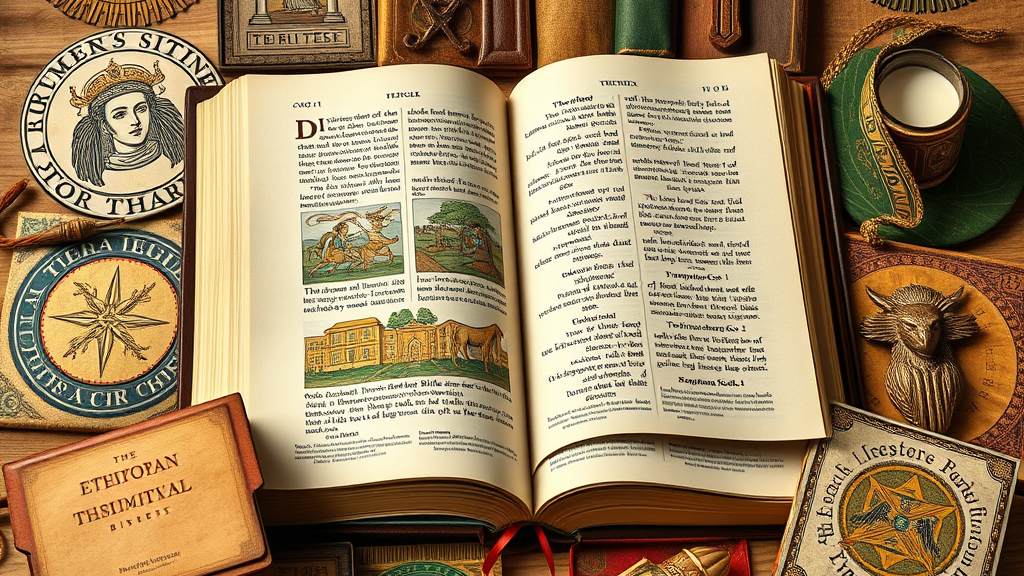
- Historical Context: During the Reformation in the 16th century, Protestant leaders decided to revise the canon. They wanted to return to the origins of the texts and omitted books that they considered less authentic.
- Theological Considerations: Some books contain ideas that do not correspond to the teachings of the Protestant tradition. This led to the exclusion of certain apocryphal books.
- Cultural Differences: The Catholic Church has a different approach to canon formation, recognizing more books than the Protestant churches. This is often due to differences in tradition and interpretation.
The Catholic and Protestant Bible
The Catholic Bible differs significantly from the Protestant Bible. The Catholic canon contains more books, including the apocryphal books such as Tobit, Judith, and 1 and 2 Maccabees. These books are considered authoritative by the Catholic Church and are included in their version of the Bible.
The reasons for these differences are historical and theological:
- Tradition: The Catholic Church has always had a strong tradition of using these books in its liturgy and teaching. They have considered these books important for faith development.
- Authority: The Catholic Church has a hierarchical structure with the Pope at its head. This ensures that there is a central authority that can decide on the canon. In contrast to Protestant churches, where the emphasis is on personal interpretation of the Bible.
- Reformation: During the Reformation in the 16th century, Protestant leaders chose to include only those books that were directly attributed to the apostles or considered authentic.
Advertisement


The Role of Authorities
An important question that arises when discussing the Bible is: does the Bible concern the will of God or the will of the authorities? This is a complex question, because both elements play a role in the development of the Bible.
- The Will of God: Many believers consider the Bible to be the inspired word of God. They believe that the texts were written with a higher purpose and that they guide us in our lives and faith. The message of love, justice, and forgiveness found in the Bible is seen as a direct reflection of God’s will.
- The Will of Authorities: On the other hand, it is important to recognize that many of the decisions about which books are included in the Bible have been made by human authorities. Church leaders, theologians, and communities have influenced the canon formation. This means that the context and beliefs of these authorities have played a major role in how the Bible has been compiled.
Conclusion
The Bible is a complex and multifaceted book that can teach us a lot about faith, history, and culture. The different versions of the Bible, including the Ethiopian Bible, the Catholic, and Protestant Bible, show how the interpretation of sacred texts can vary. The concepts of canon, liturgy, and apocryphal books help us to understand how the Bible is structured and how it is used in different traditions.
The question of whether the Bible is more about the will of God or the will of the authorities remains a subject of debate. What we do know is that the Bible plays an important role in the lives of millions of people and that the texts continue to inspire, teach, and challenge.

 Dutch Echo
Leave a comment