
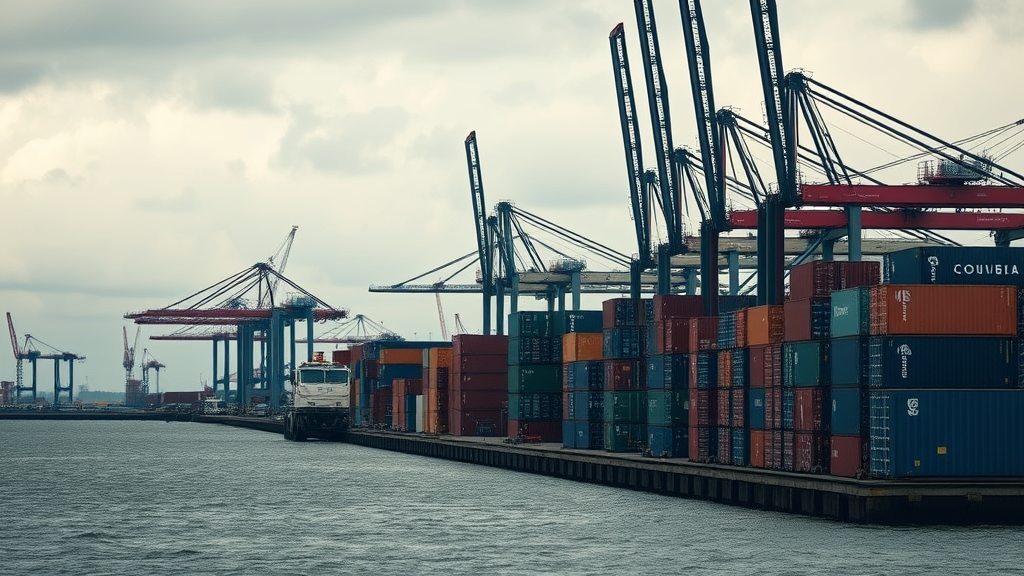
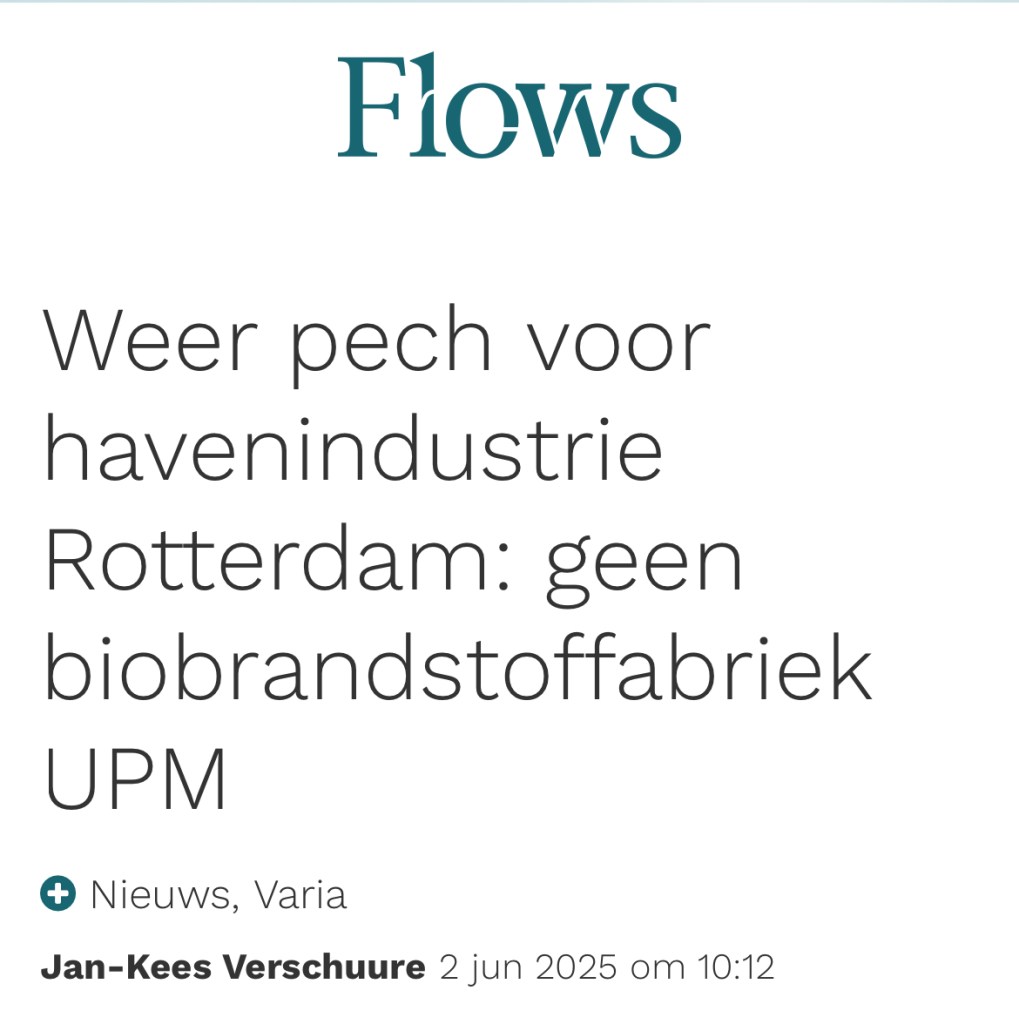
Rotterdam, Netherlands – In a blow to green energy hopes, a major project to build a huge factory that makes biofuel in the port of Rotterdam has been canceled. The company behind the project, a Finnish firm called UPM, announced they are pulling the plug. This means a lot of people who were hoping for new jobs and cleaner fuel are now disappointed. Let’s break down what happened and why it matters.
What Was the Plan?
The idea was simple: build a factory in Rotterdam to make biofuel. Biofuel is a type of fuel made from things like plants and used cooking oil. It’s meant to be a cleaner alternative to regular gasoline and diesel, which come from oil that’s been in the ground for millions of years. Biofuel can help fight climate change because it releases less of the harmful gases that warm the planet.
Advertisement

The Rotterdam factory was supposed to be a big deal. It would have produced a lot of biofuel, enough to help power cars, trucks, and maybe even ships. The project was expected to create jobs for local people, from construction workers to engineers to people who would run the factory. It was also seen as a way for Rotterdam, one of the biggest ports in the world, to become a leader in the green energy business.
Why Did UPM Say No?
The main reason UPM gave for canceling the project is money. They said the costs of building and running the factory would be too high. They looked at the numbers, and they didn’t think they could make enough money from selling the biofuel to make the project worthwhile.
Think of it like this: Imagine you want to open a lemonade stand. You have to buy lemons, sugar, and cups. You also have to pay for the space where you set up your stand. If the cost of all those things is too high, and you can’t sell enough lemonade at a good price, you won’t make any money. You might even lose money. That’s what UPM was worried about.
They looked at the price of biofuel, the cost of building the factory, and the cost of the materials they needed to make the fuel. They decided that it just wasn’t going to be a profitable venture.
What Does This Mean for Rotterdam?
This is bad news for Rotterdam for a few reasons:
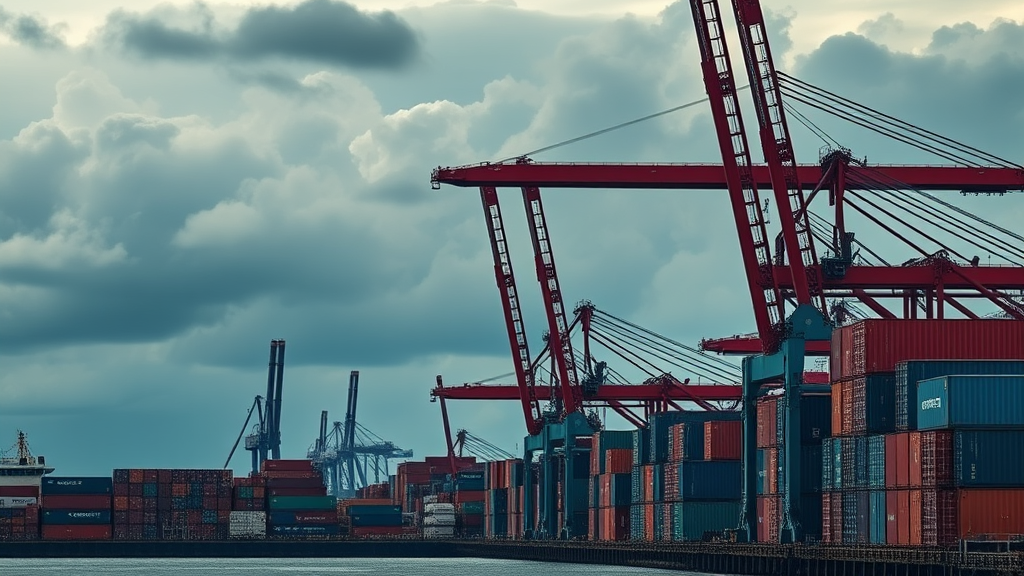
- Lost Jobs: The factory would have created a lot of jobs. Now, those jobs won’t be there. This is a blow to the local economy.
- Slower Green Transition: Rotterdam wants to become a greener port, a place that uses clean energy and protects the environment. This factory would have helped with that. Now, it will take longer to make that happen.
- Missed Opportunity: Rotterdam could have become a leader in the biofuel industry. This cancellation means they’ve missed a chance to get ahead of other ports that are also trying to go green.
- Impact on Future Investment: When a big company pulls out of a project, it can make other companies nervous about investing in the area. It might make it harder for Rotterdam to attract other green energy projects in the future.
Why is Biofuel Important Anyway?
Biofuel is important because it can help us fight climate change. When we burn gasoline and diesel, we release a lot of carbon dioxide (CO2) into the air. CO2 is a greenhouse gas, which means it traps heat and warms up the planet. This is causing problems like rising sea levels, more extreme weather, and changes in the way plants and animals live.
Biofuel, on the other hand, can be made from plants. Plants absorb CO2 from the air as they grow. When you burn biofuel, you release CO2, but it’s CO2 that the plant already took from the air. This means that biofuel can be “carbon neutral” or even reduce the amount of CO2 in the atmosphere.
Advertisement

Biofuel also has other benefits:
- It can be made from waste: Things like used cooking oil, food scraps, and even wood chips can be used to make biofuel. This helps reduce waste and gives those materials a new purpose.
- It can be used in existing engines: You don’t always need to buy a new car to use biofuel. Many cars and trucks can run on a mix of biofuel and regular fuel, or even on pure biofuel.
- It can help reduce our reliance on fossil fuels: Fossil fuels like oil are a limited resource. Biofuel can help us use less of them.
What Happens Now?
The cancellation of the UPM project is a setback, but it doesn’t mean the end of Rotterdam’s green ambitions. The port is still committed to becoming more sustainable. They will likely look for other ways to attract green energy projects and reduce their environmental impact.
It’s also important to remember that the biofuel industry is still growing. New technologies are being developed all the time, and the price of biofuel may become more competitive in the future.
The Bigger Picture
This story is a reminder that the transition to a green economy is not always easy. It takes a lot of money, planning, and hard work. There will be successes and setbacks along the way.
The cancellation of the UPM project highlights the challenges of investing in new technologies and trying to create a more sustainable future. It’s a reminder that even with good intentions, things don’t always go as planned.
It also shows that even though biofuel is a promising technology, it still has some hurdles to overcome. The cost of production needs to come down, and the industry needs to become more competitive.
However, the need for cleaner energy is more urgent than ever. As the effects of climate change become more and more obvious, the pressure to find solutions will only increase. Projects like the UPM factory, even when they don’t work out, are still important because they help us learn and move forward.
What’s Next?
Rotterdam will likely be looking for new ways to attract green energy projects. They might try to find other companies that are interested in building a biofuel factory. They might also focus on other green technologies, like wind power or solar energy.
The future of biofuel is still uncertain. The industry is constantly evolving, and new technologies are being developed all the time. But one thing is clear: the need for cleaner energy is not going away. The world needs to find ways to reduce its reliance on fossil fuels and protect the planet. This means supporting projects like biofuel, even when they face challenges. The journey towards a greener future is a long one, and it’s important to keep trying, even when things get tough. The cancellation of this project is a reminder of the challenges, but also of the importance of the goal.

 Dutch Echo
Leave a comment