
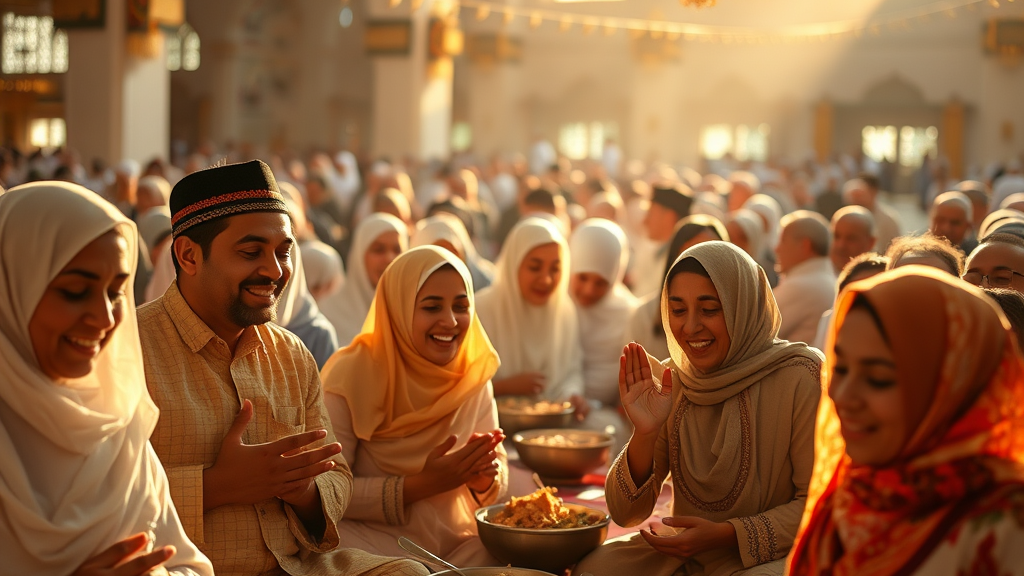
Eid al-Adha, also known as the Festival of Sacrifice, is one of the most important celebrations for Muslims around the world. This holiday commemorates the willingness of the Prophet Ibrahim (Abraham) to sacrifice his son in obedience to God. In the Netherlands, many Muslims celebrate this holiday, and it’s a time of togetherness, sharing, and joy. In this article, we’ll explore the meaning of Eid al-Adha, the traditions associated with it, and how different Muslim groups in the Netherlands come together to celebrate this special occasion.
What is Eid al-Adha?
Eid al-Adha falls on the tenth day of the Islamic month of Dhu al-Hijjah. It’s a time when Muslims worldwide come together to pray, celebrate, and share food. The holiday begins with a special prayer, called the Eid Salah, which is often held in mosques or open spaces. After the prayer, it’s customary to sacrifice an animal, such as a sheep, goat, or cow. The meat is then divided into three parts: one part for the family, one part for friends and neighbors, and one part for the poor and needy.
Advertisement

The Story Behind Eid al-Adha
The story of Eid al-Adha comes from the Quran, the holy book of Islam. It tells of the Prophet Ibrahim (Abraham), who was asked by God to sacrifice his son, Ismail (Ishmael), as a test of his faith. Ibrahim, showing his complete devotion to God, was prepared to obey. However, at the last moment, God intervened and provided a ram to be sacrificed instead of Ismail. This act of faith and obedience is what Eid al-Adha celebrates. It’s a reminder of the importance of faith, sacrifice, and obedience to God.
Celebrations in the Netherlands
In the Netherlands, Eid al-Adha is celebrated by various Muslim communities, including Turkish, Moroccan, Surinamese, Pakistani, and Afghan Muslims. These groups often come together to celebrate the holiday, highlighting the diversity and unity within the Muslim community.
- Community Prayers: In major cities like Amsterdam, Rotterdam, The Hague, Utrecht, and Eindhoven, Muslims gather for the Eid prayer. This creates a sense of connection and community. Mosques often host these prayers, and sometimes large open spaces are used to accommodate the large crowds.
- Family Gatherings: Many families organize meals and celebrations together. This is a chance to come together, share traditions, and enjoy delicious food. Families often prepare special dishes that are traditionally eaten during Eid al-Adha, and it’s a time for sharing stories and laughter.
- Cultural Events: Some cities organize special events open to all Muslims. These events promote understanding and connection between different communities. These can include cultural performances, food festivals, and other activities that celebrate the diversity of Muslim cultures.
- Charity and Giving: Sharing food with those less fortunate is a key aspect of Eid al-Adha. Many Muslims work together to organize food packages and distribute them to people in need. This act of charity is a way of showing compassion and helping those who are struggling.
Greetings During Eid al-Adha
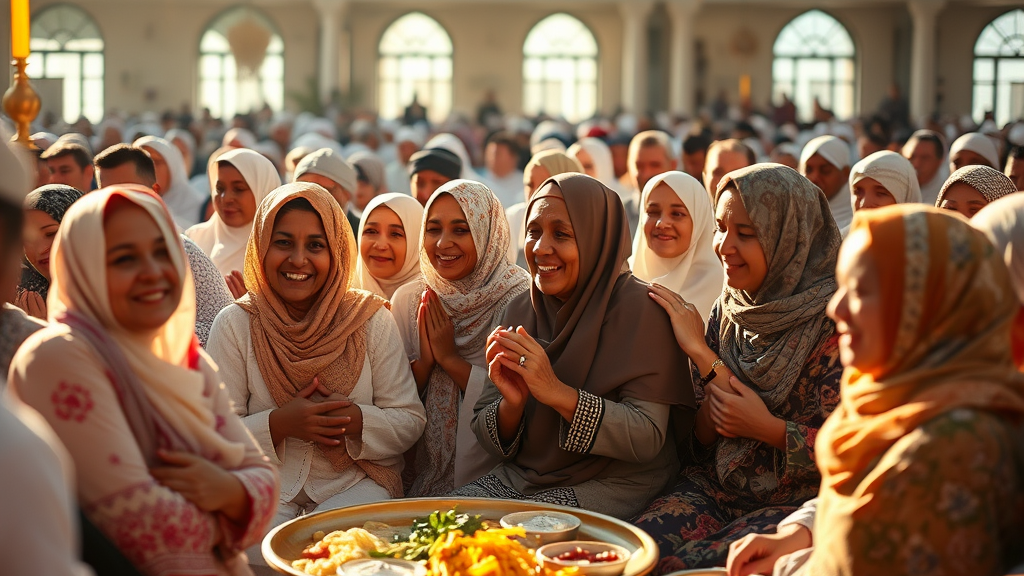
During the holiday, Muslims often exchange specific greetings and well wishes. The most common greeting is “Eid Mubarak,” which means “Blessed Eid.” People also say “Taqabbal Allah minna wa minkum,” which means “May Allah accept from us and from you.” These greetings contribute to the festive atmosphere and strengthen the bonds within the community.
The Impact of Eid al-Adha on Society
Eid al-Adha has not only a religious meaning but also a social impact. The holiday promotes togetherness within the Muslim community and encourages people to share with others. This is especially important in a diverse society like the Netherlands, where different cultures and religions coexist.
By coming together and celebrating, people learn to know and understand each other’s traditions and values better. This can contribute to better social cohesion and a sense of unity within society. Eid al-Adha provides an opportunity to build bridges between different communities and to celebrate the richness of cultural diversity.
The Significance of Sacrifice
The act of sacrifice is central to Eid al-Adha. It’s a reminder of the Prophet Ibrahim’s willingness to obey God, even when faced with a difficult test. The sacrifice symbolizes our willingness to give up something important to us in the name of faith. It’s also a way of showing gratitude to God for all the blessings we have. The meat from the sacrificed animal is then shared with family, friends, and the less fortunate, reinforcing the values of generosity and compassion.
Traditions and Customs
Eid al-Adha is celebrated in various ways around the world, and the traditions can vary from country to country and even from family to family. However, some common customs include:
Advertisement

- Wearing New Clothes: Many Muslims wear new clothes on Eid al-Adha as a symbol of joy and celebration.
- Visiting Family and Friends: It’s a time for visiting relatives and friends, sharing meals, and exchanging gifts.
- Giving Gifts: Children often receive gifts and money during Eid al-Adha.
- Decorating Homes: Homes are often decorated with festive decorations to celebrate the holiday.
- Attending Community Events: Many communities organize special events, such as picnics, festivals, and concerts, to celebrate Eid al-Adha.
Celebrating in the Netherlands: A Closer Look
Let’s take a closer look at how Eid al-Adha is celebrated in some of the major cities in the Netherlands:
- Amsterdam: Amsterdam has a large and diverse Muslim community. Eid al-Adha celebrations often include prayers at various mosques, community events in parks, and family gatherings. The city also has many halal restaurants that are popular during the holiday.
- Rotterdam: Rotterdam is another city with a significant Muslim population. Celebrations often involve large Eid prayers, cultural performances, and community meals.
- The Hague: The Hague, known for its international community, also hosts Eid al-Adha celebrations. These often include prayers, cultural events, and charitable activities.
- Utrecht: Utrecht’s Muslim community is active in organizing Eid al-Adha events, including prayers, family gatherings, and community celebrations.
- Eindhoven: Eindhoven, in the south of the Netherlands, also has a vibrant Muslim community that celebrates Eid al-Adha with prayers, family gatherings, and community events.
Conclusion
Eid al-Adha is a beautiful holiday that highlights the values of togetherness, sharing, and faith. In the Netherlands, Muslims celebrate this holiday with great enthusiasm and involvement. It’s a time when different communities come together, share traditions, and exchange good wishes. Through these celebrations, the diversity of Dutch society is celebrated, and a bridge is built between different cultures.
If you want to know more about Eid al-Adha or the traditions that go with it, don’t hesitate to ask questions. Let’s discover the beauty of this holiday together! It’s a time to learn about different cultures and to appreciate the diversity that makes the Netherlands such a special place. Happy Eid al-Adha to all those celebrating!

 Dutch Echo
Leave a comment