
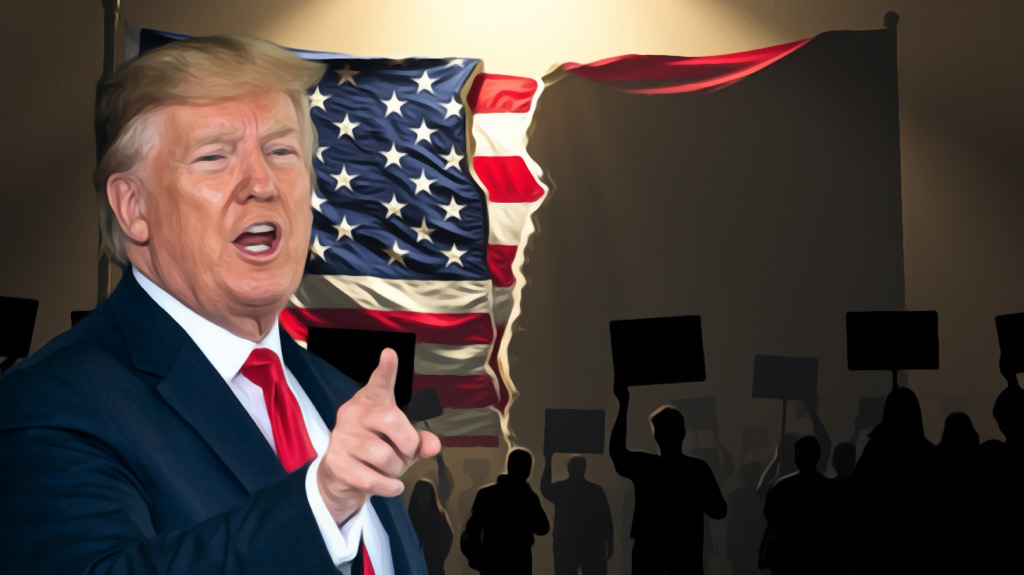
The United States is going through a lot right now. There’s a lot of talk about politics, and a lot of people, including politicians, are feeling frustrated. But what does all this mean for you and me, the average person? In this article, we’ll break down the reasons behind this frustration and look at how things like wars affect American society.
The Political Puzzle
One of the biggest things causing problems is the way politicians are working (or not working) together. For years, we’ve seen a big divide between the Democrats and the Republicans. This fighting has made it hard to get important laws passed. Politicians often can’t agree on things that really matter, like healthcare, education, and making sure everyone is treated fairly. This lack of agreement is a major source of frustration for many Americans.
Advertisement

- Trust Issues: A lot of people feel like their politicians aren’t able to solve the country’s problems. This lack of trust is a big part of the frustration we see today. It’s like when you don’t trust someone to do a good job, you get worried and annoyed.
- Approval Ratings: If you look at the polls, the President and other politicians often don’t have very high approval ratings. This means that many people aren’t happy with the way things are going. It’s like when you’re not happy with your team’s performance; you start to wonder what’s going wrong.
The Price of War
Another big concern for Americans is the cost of the wars the US has been involved in. Since the invasion of Iraq in 2003, thousands of American soldiers have lost their lives. The war in Iraq alone cost the lives of approximately 4,145 American soldiers. That’s a huge loss, and it has a big impact on the families of those who served.
- Iraq War (2003): This war didn’t just take lives; it also cost a massive amount of money. The costs of war can reach into the billions of dollars, which puts a big strain on the government’s budget. Think of it like this: if you spend too much money on one thing, you might have to cut back on other things you need.
- Lebanon War (2006): Even though the direct losses here were limited, the consequences for the region and the involvement of the US are still felt today. It’s like a ripple effect; even small actions can have big results down the line.
- Gaza War (2008-2009): While there were minimal American losses directly, the impact on international relations and stability in the Middle East was significant. This shows how even when the US isn’t directly fighting, its actions can have a big effect.

Money Matters: The Economic Impact
The costs of war aren’t just about money; they also affect the country’s economy. When the government spends a lot of money on military operations, it can lead to cuts in other important areas, like education and healthcare.
- The Business of Weapons: Wars can boost the weapons industry, which leads to economic growth in that sector. The US is one of the biggest sellers of weapons in the world. This is a complicated issue; while it creates jobs and makes money, it also raises questions about the ethics of war.
- New Technology: Wars often lead to new technologies, like better airplanes and ways to communicate. These new inventions can later be used for everyday things. Think of how the internet started; it was developed for military use and then became something we all use every day.
- Government Contracts: The government invests a lot of money in contracts with defense companies. This creates jobs and helps the economy. It’s like when a local business gets a big contract; it can hire more people and grow.
What Politicians Are Saying
The frustration among politicians about the costs of war is understandable. When senators complain, it often means they’re worried about the financial burden these wars create. This can lead to more pressure to rethink how the US gets involved in conflicts overseas.
- The Human Cost: The loss of life is something we can’t put a price on. The loss of soldiers and the impact on their families are difficult to measure, but they weigh heavily on public opinion. Every life lost is a tragedy, and the effects are felt for years to come.
- Political Unrest: If the costs keep going up without clear benefits, it can lead to frustration among politicians and the public. This can make the country less stable. When people lose faith in their government, it can be hard to solve problems.
Advertisement


What Does This Mean for the Future?
The current situation in American politics and the impact of wars have big implications for the future. The frustration among politicians and the public can lead to changes in policy and how the US handles international conflicts.
- Changing Policies: Politicians might be forced to rethink how they approach foreign involvement. This could lead to a focus on diplomacy and working together, rather than military action. It’s like deciding to talk things out instead of fighting.
- Impact on Society: The dissatisfaction among the public can also lead to changes in how people see politics. More people might get involved and try to make a difference. This could mean more people voting, running for office, or speaking out about issues they care about.
In Conclusion
The frustration in American politics is a complex problem that comes from a few different things, including the costs of war and the divisions between political parties. It’s important for both politicians and citizens to understand these problems and work together to find solutions. The future of American politics depends on people being willing to listen to each other and work towards a better society for everyone.


 Dutch Echo
Leave a comment