
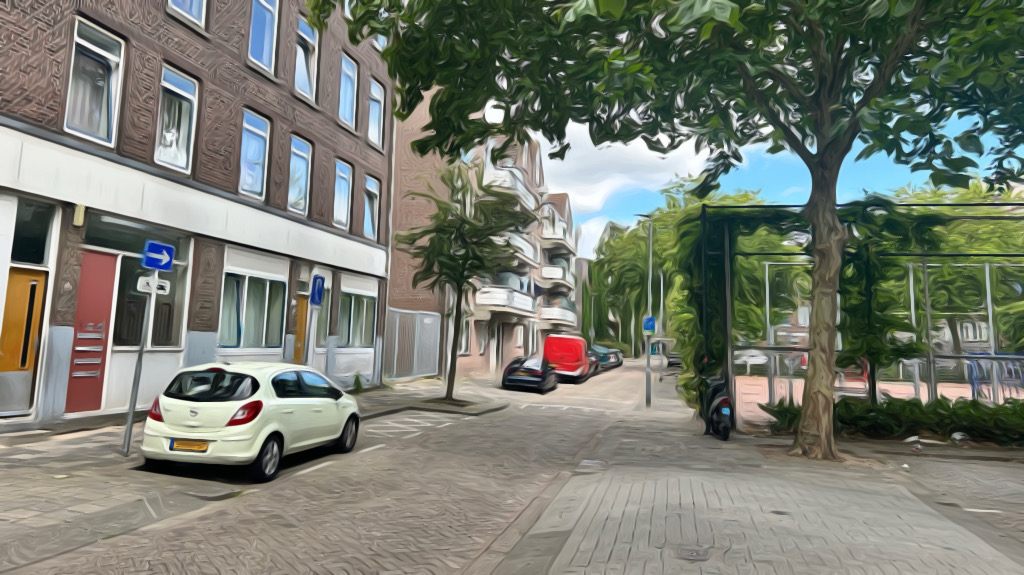
I remember when a conversation over coffee on the stoop was sacred time.
Before the headlines. Before the soundbites. When words had weight and people made space to listen — really listen — even when they disagreed.
But something has shifted. In Rotterdam’s Crooswijk, in the city, and across the country. Conversations have hardened. Distrust has settled into the sidewalks like rainwater in the cracks of old stone.
And yet, our stories are still here — waiting to be told. Not just the shiny surface tales of urban renewal and city marketing, but the lived histories of those who held up this nation with callused hands, and now wonder why their legacy feels like an afterthought.
This is an essay about what it means to be seen. About Crooswijk. About all of us.
Advertisement

Industrial Roots, Cultural Erasure
There’s a myth that Crooswijk has always been poor. But those who remember know the truth: it was industrious, proud, and alive.
The Jamin factory. The print shops. The slaughterhouse. The Heineken brewery. People built lives here. Not luxurious ones, but lives with meaning. The working class wasn’t just a statistic — it was a community. You knew your neighbor. You argued, you laughed, you shared.
But the factories disappeared. So did the jobs. Then the homes — torn down in the name of modernization. Over 85% of housing in Nieuw Crooswijk was demolished. In its place came new façades, new prices, new faces. And with it, a silent suggestion: that what came before was less than.
We were not poor. We were made poor. And some are still waiting for someone to admit it.
When the System Forgets to Care
I sat with a neighbor one afternoon. We were talking about old times, the kind that stretch across generations. A woman passed by in her electric wheelchair. We waved. She reversed, rolled up, and began speaking.
“Did you know,” she said softly, “that I almost died last year?”
Four times she went to doctors. Four times, they told her it was nothing. “Go home,” they said. “You’re fine.” She knew better. Her body was telling her a truth the system refused to hear.
So she stayed. At the hospital. Refused to leave. And only then, after protest, did they find what was wrong. A diagnosis that could’ve come too late. A treatment that saved her — barely.
This isn’t just a story of medicine. It’s a mirror of something bigger. When institutions stop listening. When you must shout to survive. When being right isn’t enough unless someone powerful finally decides to believe you.
The Islam They Don’t See
Since 2001, there’s been a growing obsession with the word Islam in Dutch media and politics — and rarely in a good way. The narrative is narrow. The image is fixed: a covered face, an angry voice, an imagined threat.
But that’s not the Islam I know. That’s not the Islam that came with Moroccan workers looking for opportunity and dignity. Or with Turkish families bringing their culinary and cultural gifts. It’s not the peaceful teachings passed on in Surinamese-Javanese households. And certainly not the loyalty of Muslim KNIL soldiers who once fought for this Kingdom and never asked for monuments.
What the media chose not to show — and still often refuses to see — is the Islam that helped build the Netherlands. Brick by brick. Night shift after night shift. Quietly. Faithfully. With sleeves rolled up and hearts still aching for a homeland left behind.
The hurt is not only in the misrepresentation. It’s in the erasure of contributions that shaped this country.

The Language of Distrust
You hear it now in every corner of the neighborhood. “Zakkenvullers.” “The courts pick sides.” “The game is rigged.”
Are these just angry words? Maybe. But beneath them lies a question that cuts deeper: Who protects me if the protector chooses power over people?
When politicians are caught in scandals and walk away untouched. When reports vanish into the fog. When policies seem crafted not for citizens but for control — people notice. They may not have platforms, but they have memories.
It’s not anti-government. It’s pro-accountability. And accountability is not radical. It’s essential.
The Moment That Made Me Flinch
As I sat, reflecting on everything that had been said, a new neighbor pulled up. Sleek electric car. Designer sunglasses. A graceful step onto the curb. The future, parked at our feet.
And I — a son of migrants, born and raised here, loyal to this city and to the country that shaped me — felt a flutter of unease.
Not because of who she was. But because of what her presence signified.
Change is not the enemy. But change without inclusion feels like theft. Like being evicted silently from a life you helped build.
I asked myself: Will there be a place for us in the Rotterdam they’re designing now? Or are we to become characters in someone else’s museum?
Reckoning and Recognition
This essay is not an elegy. It’s not nostalgia. It’s not even anger, though that would be justified.
It’s a plea — for honesty.
Honesty about who built this city. About whose voices have been muted. About what happens when narratives are shaped without those who lived them.
We don’t need pity. We need a seat at the table. In media. In policy. In classrooms. In the stories we tell about ourselves.
Because when systems fail to remember, communities must shout to be recalled.
Advertisement

What Crooswijk Teaches the Country
Crooswijk is not perfect. No place is. But it’s real. And in its bricks and balconies lives a story the nation must hear.
It’s the story of a woman in a wheelchair who saved her own life. Of an elder who remembers the hum of the Jamin conveyor belts. Of a man who still believes in the power of speaking truth over coffee.
It’s the story of Muslims whose faith never interfered with their Dutch-ness — but whose Dutch-ness was often questioned anyway.
It’s the story of voices that won’t be quiet — because they were quiet too long.
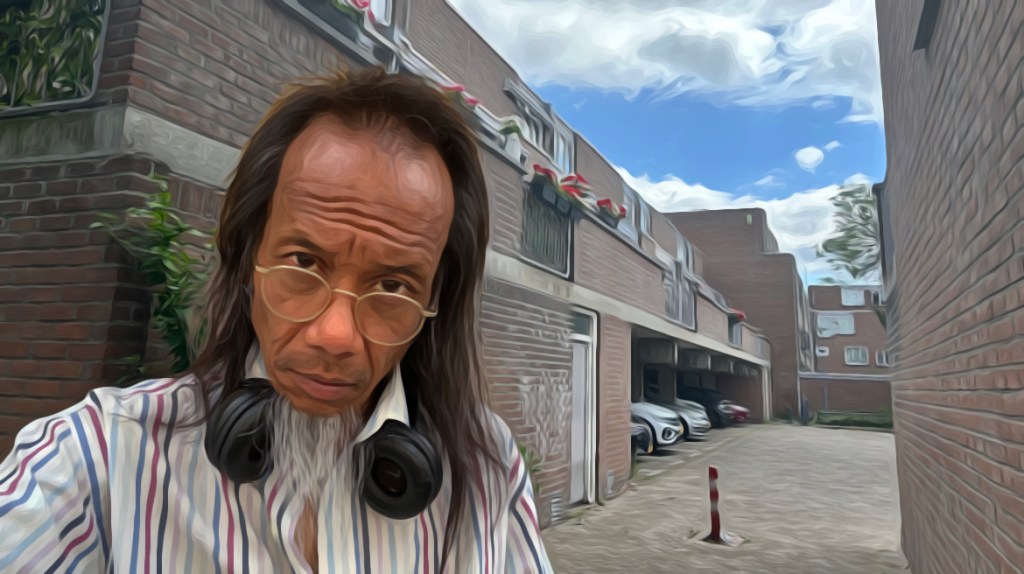
Final Words
I don’t know what the government is planning next for us. I don’t know what headlines will come tomorrow.
But I do know this:
We were here before the new concrete. We will be here long after the temporary signage fades. We are not a problem to be managed — we are a legacy to be acknowledged.
And from this corner of Rotterdam, the echo grows louder.
Let them hear us.

 Dutch Echo
Leave a comment