
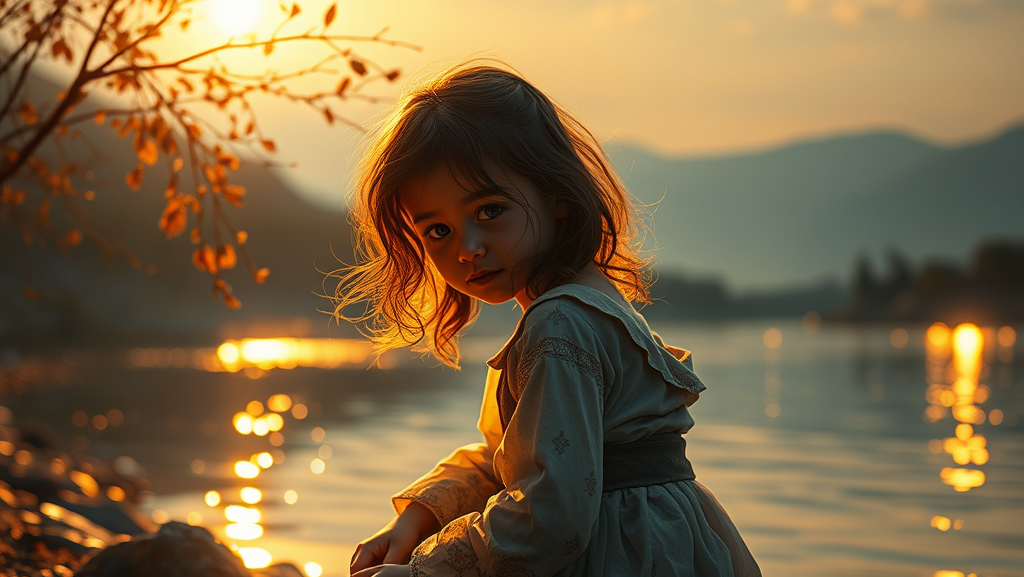
The Living Book – An Introduction for Visitors
The Living Book is not just a collection of stories — it is a journey through memory, resistance, and the sacred pulse of humanity. Told through the eyes of Layla, a child of light and remembrance, it weaves history, poetry, and reflection into a tapestry of consciousness for a new generation.
What Is It?
The Living Book is a narrative project that explores:
- Global history through personal eyes: From the rivers of Iran to the arches of Córdoba, from forgotten resistance in Europe to oil-laced geopolitics in the Middle East.
- Spiritual reflection: Each chapter includes Reflections — questions designed to awaken critical thought, moral clarity, and compassion in the reader.
- Poetic testimony: Blending storytelling with real historical detail, it echoes the tradition of oral wisdom and sacred transmission.
Who Is Layla?
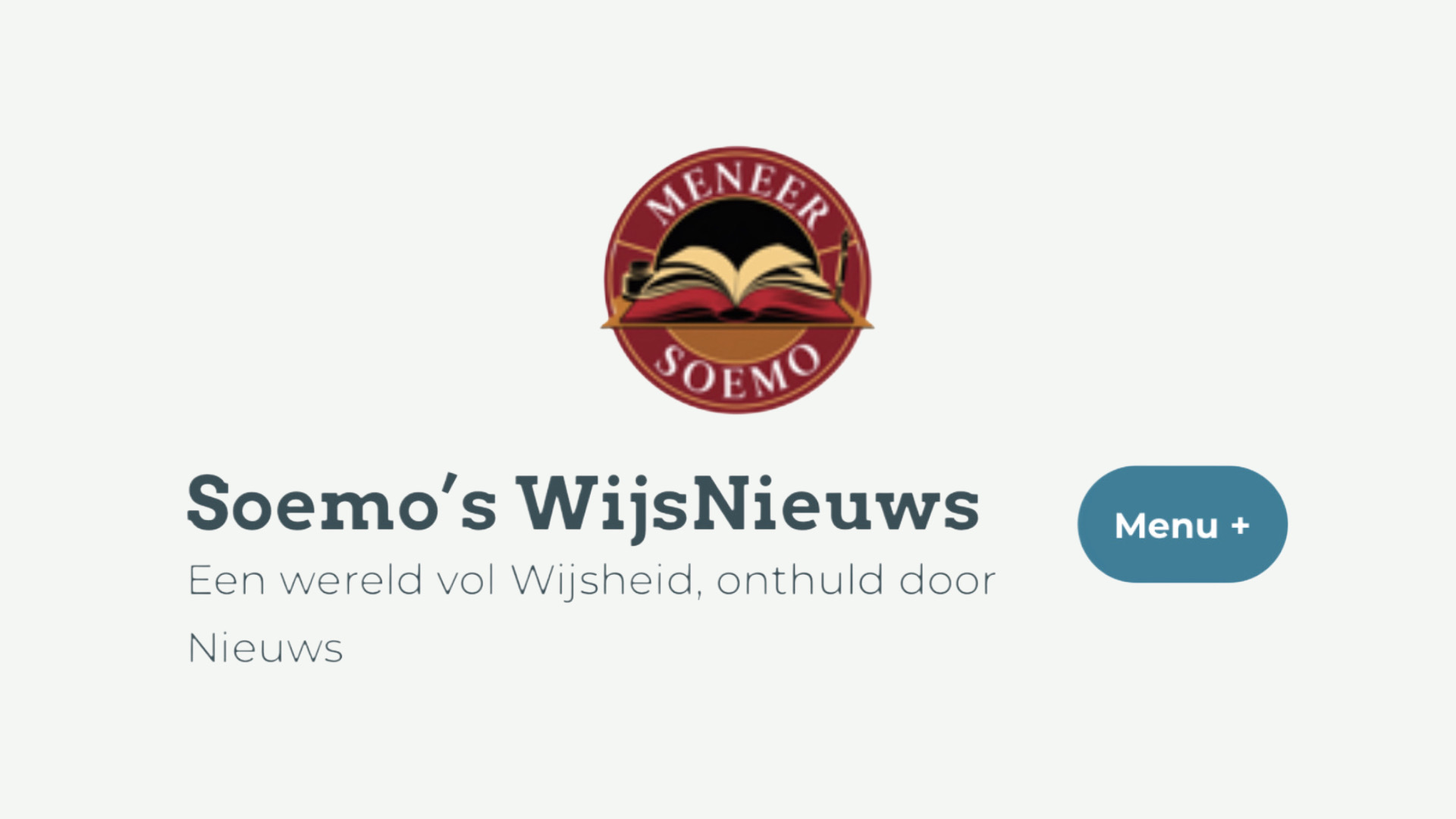
Layla is the guiding voice. She is child, witness, dreamer — the embodiment of our collective memory. She appears in deserts, in cities, on riverbanks and ruins, listening to the echoes of ancestors and asking the questions we forgot to ask.
Why “Living”?
Because this book breathes. It evolves with each reader. It listens as much as it speaks. Each chapter invites you to reflect — not just on the past, but on the choices we make now. It is alive with memory, with love, with the possibility of justice.
Advertisement

For Whom?
For children and adults alike who seek:
- A deeper understanding of power, culture, and consciousness.
- Stories that honour both struggle and light.
- A map not just of lands, but of meaning.
You are not merely reading this book — you are walking in it.
Its pages are your steps.
Its ink is your breath.
Its soul — perhaps — is already yours.
✦ The River That Does Not Break
– A Narrative Essay on Iran
✦ (From the Living Book – History, reflection, and remembrance for the children of the New Era)
Layla sat on the banks of the Karun, Iran’s longest river. The evening sun reflected on the water, and the current sang a song that sounded like both prayer and resistance.
“Why does this land feel like a book full of cracks, but with pages that keep singing?” she asked.
An old man beside her — silver in his beard, stars in his voice — replied: “Because Iran is a river. She does not break, not even when empires try to redirect her course.”
1. From Empire to Revolution
In the early 20th century, Iran stirred under the Qajar dynasty, a monarchy tottering under foreign interference. The British sought oil. The Russians craved control. But the people wanted a voice. In 1906, citizens demanded a constitution — a Majles, their parliament. It was the birth of constitutional awareness in the Islamic world.
Reflection: Can you name a place where your voice is heard? How do you protect that place?
2. The Pahlavi Era: Modernity with Violence
Reza Shah took the throne in 1925. He built roads, schools, and a national identity. But his modernization was authoritarian. He banned the hijab, restricted religion, and imprisoned dissenters. His son, Mohammad Reza Shah, followed the same path — supported by the West.

When Iranian Prime Minister Mohammad Mossadegh nationalized oil in 1951, the people rejoiced. But in 1953, the CIA and MI6 staged a coup. Mossadegh disappeared. The oil empire returned.
Reflection: Who owns the wealth of a country? Who decides a nation’s course?
3. Revolution of the Heart
In 1979, the uprising erupted. Tens of thousands of youth, women, workers, and religious leaders demanded freedom. The Shah fled. Ayatollah Khomeini returned from exile. It became a revolution in the name of God — but also of dignity, rage, and hope. The Islamic Republic was born.
But new pain followed. Freedoms were curtailed. Women lost rights. Criticism became dangerous. The dream of justice vanished behind walls of censorship.
Reflection: Can a revolution succeed if it does not listen to its own children?
4. Between War and Reconstruction When Saddam Hussein’s Iraq invaded Iran in 1980, an eight-year war began. Hundreds of thousands died. But Iran did not break. Out of the rubble rose education, infrastructure, poetry, and science. Yet the country remained divided: between religion and republic, tradition and the longing for renewal.
5. The New Generation Today, Iran is young. Two-thirds of the population was born after 1979. They dance to banned music, build apps despite sanctions, and whisper dreams in hidden gardens. Women, students, and poets form the conscience of the republic. Protests like the 2009 Green Movement and 2022 (Mahsa Amini) show: the river still flows.
Reflection: What does freedom mean if it cannot be spoken — but is felt in every breath?
Advertisement

Illustration: The River of Iran From Persepolis to Tehran. From the Zoroastrian flames to the voice of poet Forough Farrokhzad. Iran is not a static empire, but a breathing stream. In every child who learns, every mother who keeps watch, every poet who whispers — it lives on.
“And who will protect all of this?” Layla asked softly.
“You,” said the old man. “And everyone who does not forget.”
✦ For what is not forgotten remains alive. ✦
✦ Chapter: The Golden Light of Córdoba – How the Islamic World Awakened the West ✦ (From the Living Book – Told by Layla)
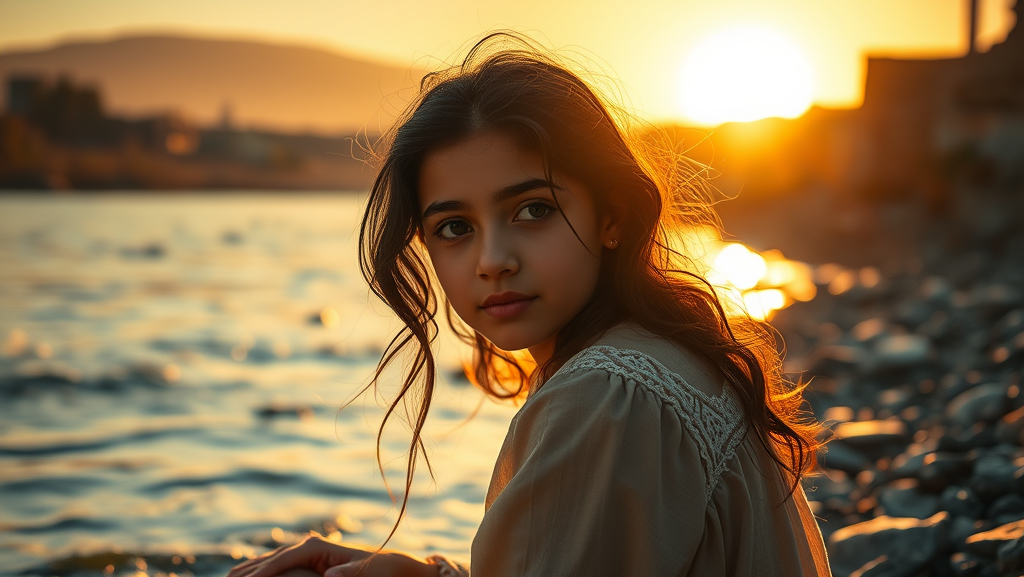
Layla now walked beneath the arches of the Mezquita in Córdoba. Sunlight fell like mosaic upon the floor of marble and memory.
“Who planted the light here?” she whispered.
A soft voice, an echo of ink and stars, answered: “Those who guarded the night so that you might awaken.”
1. The Keepers of Memory When Europe fell into decline after the fall of Rome, the Islamic world turned not to war, but to wisdom. In Baghdad arose the House of Wisdom. In Cairo, Damascus, Samarkand, and Fez, scholars gathered the knowledge of Greeks, Persians, and Indians. They translated, improved, and deepened it. The world’s memory drew new breath.
Reflection: What stories do you carry in your heart that others have forgotten?
2. Science as Prayer The physician Ibn Sina wrote a Canon of Medicine that would be used in European universities for centuries. The mathematician Al-Khwarizmi gave us algebra — al-jabr, the gathering of what is broken. The astronomer Al-Biruni measured the circumference of the Earth. They sought not power, but meaning. To them, the world was a sign, and science a form of devotion.
Reflection: Can you learn with reverence? Can measuring and understanding be a kind of prayer?
3. Córdoba: The City of Coexistence In 10th-century Spain, Córdoba had street lighting, bathhouses, hospitals, and more than 70 libraries. Jews, Christians, and Muslims read each other’s books and wrote the future together. This era, known as La Convivencia, was not utopia, but proof that dignified coexistence is possible.
Reflection: With whom do you share your light? Who could you meet today in peace?
4. A Mirror for the West Without this Islamic world — and its bridges of paper, voice, and memory — the European Renaissance would never have flourished. The alphabet, medicine, geometry, philosophy, poetry: they reached the West through translation, through Toledo and Palermo, across bridges of trust.
Illustration: A map of bridges between Baghdad and Córdoba. Books as boats. Words as bridge pillars.
Layla looked up at the light in the arches.
“And who will carry this light if it is forgotten?”
“You,” the voice said again. “And every child who dares to read as an act of love.”
✦ For remembrance is not a burden, but a lamp for those who dare to see. ✦

 Dutch Echo
Leave a comment