
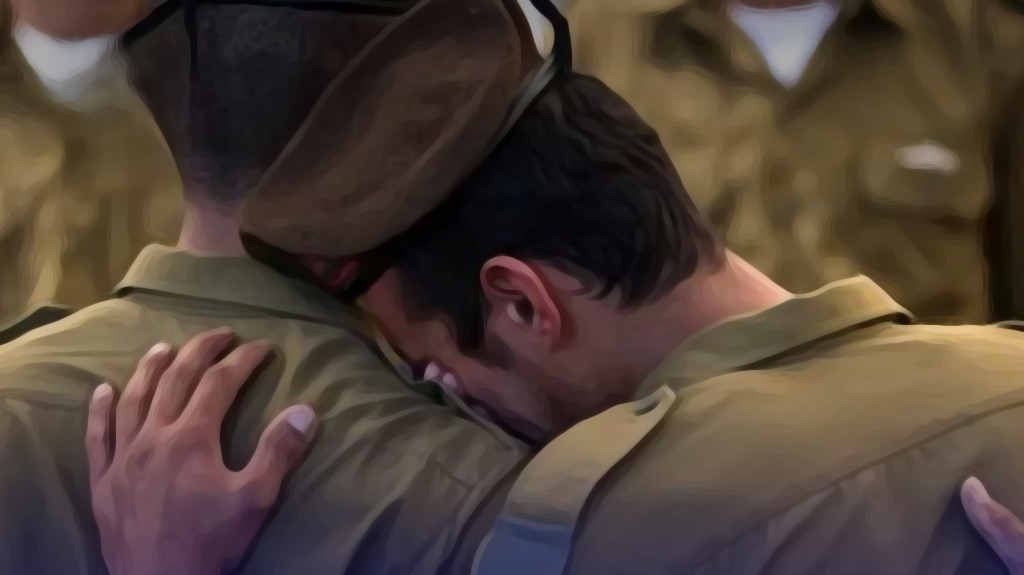
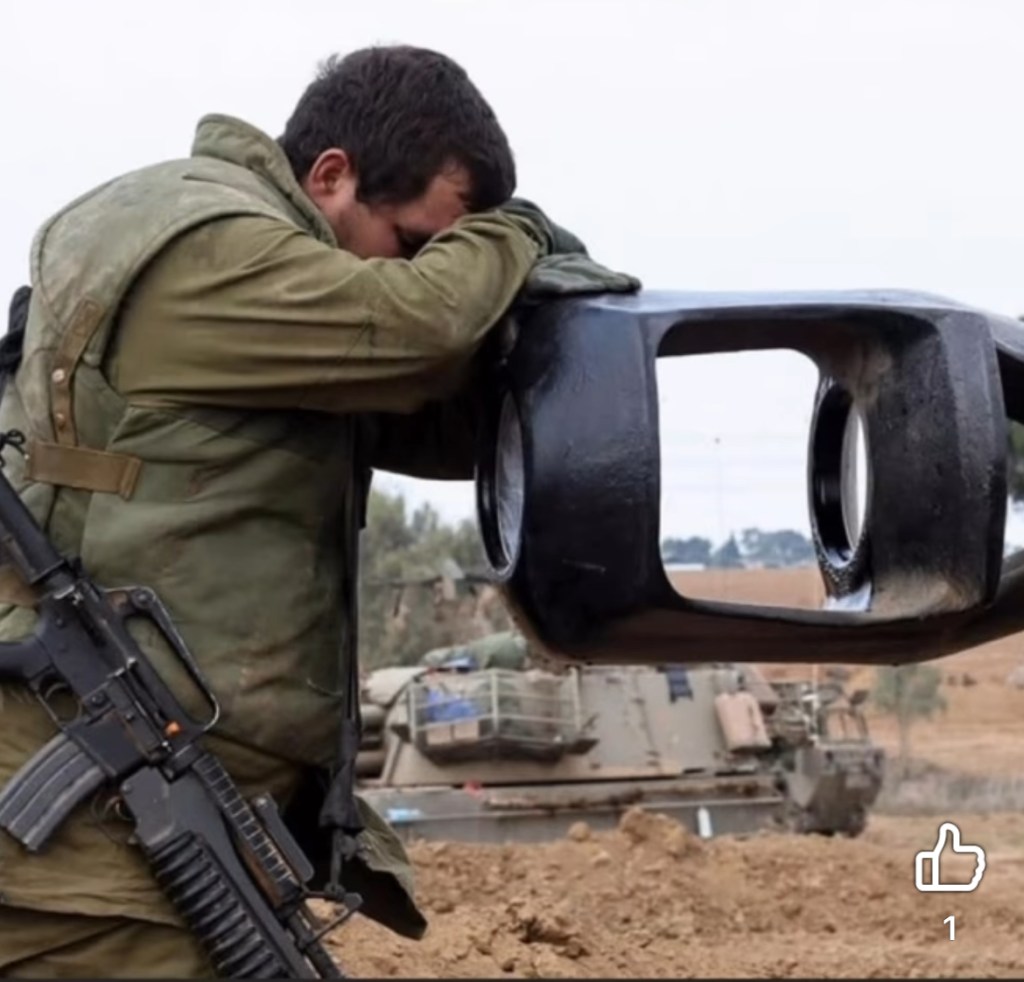
The scars of war are not always visible. Since the outbreak of the conflict between Israel and Hamas in October 2023, thousands of Israeli soldiers have returned home not just bruised and broken — but psychologically wounded. Beneath the headlines of battlefield losses and military victories, a quieter tragedy unfolds: one of trauma, post-traumatic stress disorder (PTSD), depression, and in extreme cases, suicide.
A Tragic Pattern in the Golan Heights
On Monday, July 14, a soldier from Israel’s Nahal Brigade took his own life at a military base in the occupied Golan Heights. According to Channel 12 news, this marked the third suicide among active-duty soldiers in just ten days. All three had previously served in Gaza — a combat zone that has now become synonymous with intense psychological strain.
Advertisement

“He was only 21,” a fellow soldier told local media. “No one saw it coming. But the truth is, many of us feel the same way. We’re just too afraid to talk about it.”
This sentiment is echoed across many units. As the war drags on, the emotional toll deepens, and Israel’s armed forces find themselves confronting an epidemic of psychological suffering.
The Rise of PTSD Among Israeli Troops
PTSD has surged alarmingly in Israel since October 2023. A study by Tel Aviv University found that nearly 12% of reservists exhibit significant PTSD symptoms after leaving active service — a figure that grows over time rather than diminishes. While only 0.5% of new recruits showed symptoms upon joining, the number rose to 4.4% by the end of service, and nearly 8% six months post-discharge.
Many veterans report flashbacks, nightmares, anxiety, and feelings of isolation. For some, the struggle becomes too much. The Israeli Defense Forces (IDF) confirmed 21 suicides among soldiers in 2024, the highest annual number in more than a decade. These figures underscore a growing mental health crisis gripping both reservists and active soldiers.
Beyond the Battlefield: Trauma at Home and Abroad
Interestingly, trauma isn’t confined to combatants alone. A survey conducted in early 2025 revealed that 66% of Israelis living abroad experienced PTSD-like symptoms in the months following the war’s onset. Their distress stemmed from concern for family back home and increased antisemitism in host countries.

Within Israel, emergency mental health services reported a 45% rise in PTSD diagnoses and a 25% increase in the use of psychiatric medication. President Isaac Herzog declared mental health care a national priority, leading to the opening of new trauma centers like “Balancing Home” in Galilee. These centers offer expressive therapies — from painting to journaling — aimed at helping veterans process trauma.
Voices of the Bereaved
For families of soldiers lost to suicide, the grief is compounded by social stigma and silence. “We welcomed him home from Gaza. He smiled, seemed normal. But then came the nights — the screaming, the panic,” said a mother whose 19-year-old son took his own life in February.
“He wasn’t weak,” she added. “He fought one war overseas and another inside himself. He needed help. He needed peace.”
Families of the fallen often ask not for sympathy but for acknowledgment. That their loved ones died not only in uniform — but under immense psychological weight, often without sufficient support.
A Deeply Embedded Military System
Israel’s military model is intense. Men serve three years of mandatory service and remain reservists until age 40 or even 45. Women typically serve two years, with shorter reserve obligations. Combat reservists are often mobilized for one to three weeks annually. In wartime, this can stretch to several months per year — as was the case in the recent Gaza conflict.
Advertisement

Over the course of 15 to 20 years, most male reservists spend 30–40 weeks cumulatively in active reserve duty. Some surpass a full year of service over time. This sustained exposure to violence, the abrupt shifts between military and civilian life, and the high operational tempo make Israel’s reservist system one of the world’s most demanding — and mentally taxing.
Global Perspective: Israel vs. The Netherlands
The contrast with countries like the Netherlands is striking. Dutch soldiers seldom experience regular contact with armed conflict. Their missions are typically peacekeeping or humanitarian in nature. Military violence within Dutch borders is rare and mainly handled by police forces.
While Dutch veterans do face mental health challenges, the incidence of PTSD and suicide is significantly lower. The Netherlands offers extensive post-deployment care, including the Veterans’ Institute and accessible psychological services. These support systems reduce long-term harm and improve reintegration.
Israel’s system, by contrast, remains strained. The combination of frequent mobilization, societal expectations, and limited mental health infrastructure creates a perfect storm for unresolved trauma.
A Call for Compassion
To many, war is just a concept — something glimpsed through news footage or statistics. But every casualty hides a personal story. Every soldier lost to suicide leaves behind a community in mourning.
This article is not just an exposé — it’s a plea:
🎗️ Let us extend compassion to the families of soldiers who bore invisible wounds. May their grief be honored, and their loved ones remembered not just for their battles — but for the burdens they carried beyond them.
Mental wounds do not fade with ceasefires. They linger in silence, waiting to be seen, heard, and healed.

 Dutch Echo
Leave a comment