
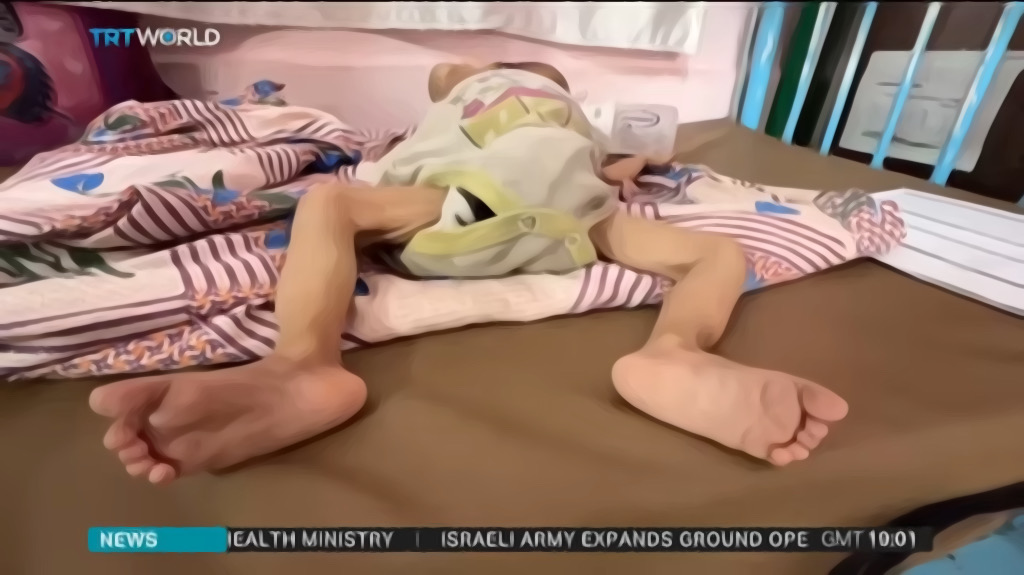
Gaza stands on the brink of complete societal collapse. What began as an armed conflict has now descended into a grave humanitarian disaster. Children are dying of hunger and disease, civilians are shot while seeking aid, and the basic infrastructures of water, health, and food have crumbled. Yet despite widespread international concern, action remains elusive — and every day, the death toll rises.
📉 A Daily Struggle for Survival
According to data from UNICEF, an average of 28 children die every day in Gaza. The official death toll now exceeds 59,000 Palestinians, but experts warn this number may vastly underestimate reality. Thousands remain buried under rubble, and indirect deaths caused by starvation, illness, and lack of medical care are not fully accounted for.
Meanwhile, Gaza’s population — once 2.1 million — has dropped significantly due to death, displacement, and emigration. An estimated 1.25 million people now face acute hunger, many of them living in makeshift shelters or on the ruins of destroyed homes.
Advertisement

🍽️ Hunger as a Weapon of War
Food is nearly impossible to access. Distribution centers such as those operated by the Gaza Humanitarian Foundation (GHF) are located in military-controlled zones, often referred to as “kill zones” by aid workers. Civilians seeking aid at these locations are frequently met with gunfire. Since May, the UN reports that over 875 people have been killed while attempting to retrieve food, including families with children.
Eyewitnesses recount horrific scenes of people being shot while holding bags of rice or bottled water. Hunger in Gaza has not just become a crisis — it has become an instrument of control and punishment.
💧 Water: The Invisible Crisis
While food scarcity dominates headlines, the water crisis in Gaza may be even more insidious. Over 80% of Gaza’s water infrastructure has been destroyed or is inaccessible due to evacuation orders and military presence. Residents are forced to drink untreated, polluted water — leading to epidemics of jaundice, bloody diarrhea, and meningitis. According to the World Health Organization, 39% of all illnesses reported in Gaza are now water-related.
🏥 A Health System in Collapse
Hospitals in Gaza are barely functioning. With no electricity, no medical supplies, and no blood products, doctors face unbearable decisions. In overcrowded medical centers, some patients are treated in open courtyards or in the hallways of damaged buildings. Medical staff report conducting surgeries without anesthesia or proper equipment, describing the conditions as “post-apocalyptic.”
🚫 Aid Blocked and Targeted
International aid continues to face insurmountable challenges. Humanitarian convoys are frequently denied access or attacked. Fuel — critical for ambulances, generators, and water pumps — is in critically short supply. Only a small percentage of aid requests are approved, and aid workers themselves have come under fire or died in bombings targeting aid facilities.
The GHF, although backed by international donors, cannot operate safely. Civilians are left to risk their lives daily just to reach aid, often with no guarantee of survival.
🌍 Words Without Action
International leaders have expressed concern. The Belgian monarch called Gaza “a stain on humanity,” while Pope Leo XIV urged global powers to awaken morally and end the suffering. Turkey, a NATO member, has denounced Israel’s actions as genocide.
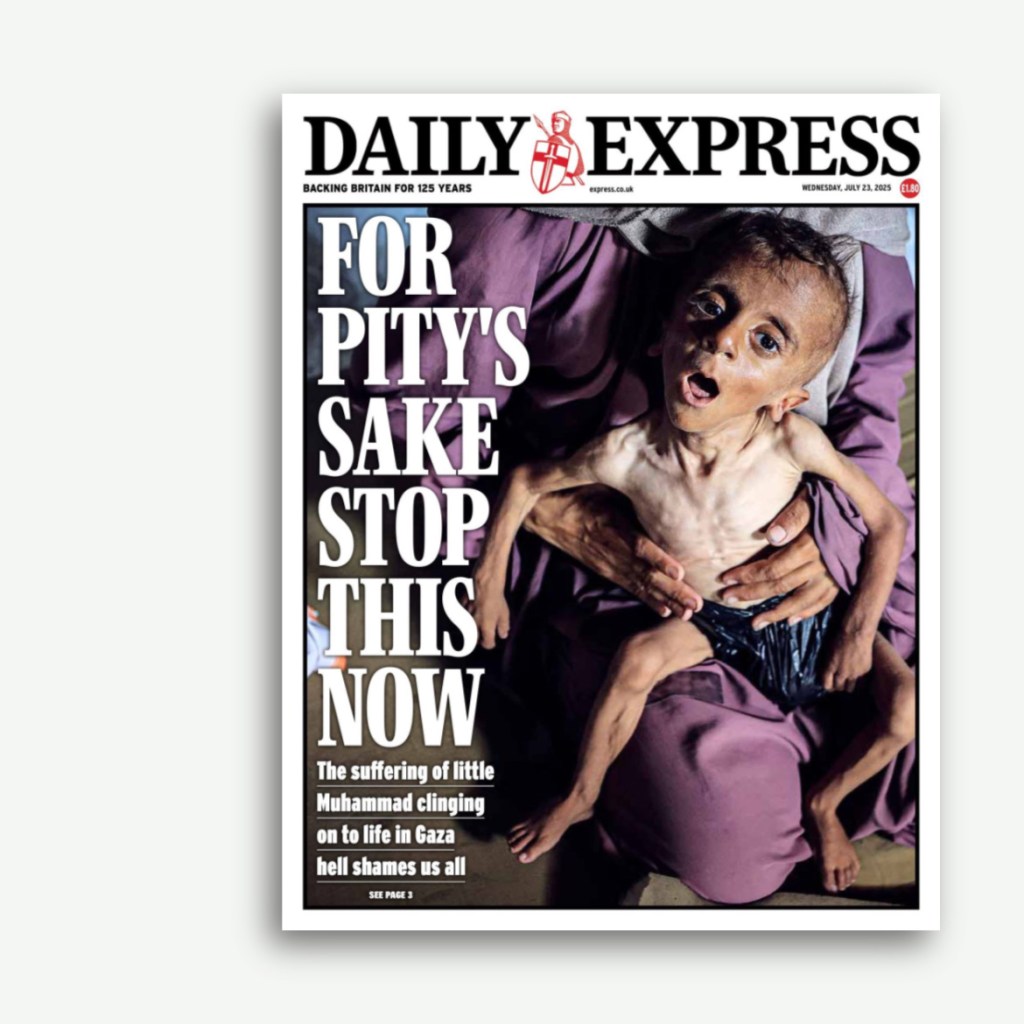
Yet despite these declarations, a ceasefire has not been achieved, and political divisions between allies and regional powers continue to paralyze diplomacy.
⚖️ Hunger Is a Political Choice
One of the most haunting insights comes from human rights researcher Jean Ziegler, who once said: “A child dying from hunger is a murdered child.” His words echo through Gaza — where hunger is not a natural consequence, but a result of deliberate policy.
- Blockades prevent essential goods from entering.
- Embargoes create artificial scarcity.
- Military control over aid zones turns relief centers into dangerous battlefields.
- Political hesitancy prevents coordinated international responses.
What should be a simple equation — humans need food and water — has become entangled in power, pressure, and punishment. Gaza’s humanitarian crisis is not accidental; it’s engineered through systemic inaction and prolonged conflict.
🧭 What Comes Next?
The world faces a moral test. Gaza is no longer just a conflict zone — it is a humanitarian collapse that demands decisive intervention. At minimum, the international community must:
- Ensure unhindered access for aid organizations.
- Establish safe humanitarian corridors.
- Pressure regional actors into cessation of hostilities.
- Provide fuel, medical supplies, and clean water without delay.
- Begin independent international monitoring of war crimes and human rights violations.
More than anything, Gaza needs the world to stop turning away. Not another statement. Not another warning. But real action — diplomatic, logistical, and humanitarian.
Gaza is not a statistic. It is not just a place on a map. It is where children die for lack of bread, where families bury loved ones daily, and where civilians are caught in a political storm they never asked for.
To ignore Gaza is not neutrality. It’s complicity.



 Dutch Echo
Leave a comment