
The Dutch legal system is internationally praised for its commitment to justice, transparency, and human rights. Yet recent developments surrounding two vastly different individuals—Ridouan Taghi and Arno van Kessel—raise serious questions about the resilience of these principles. Taghi, a notorious criminal figure, currently lacks legal representation in the country’s most high-profile criminal trial. Van Kessel, a former lawyer and vocal critic of government policy, was detained without formal charges. These cases, though seemingly unrelated, reflect a deeper tension in the Netherlands: the shifting balance between state power and individual rights, and the fragility of the rule of law when confronted with extremes.
Ridouan Taghi: The Unrepresented Defendant
Ridouan Taghi is widely considered the most dangerous criminal in Dutch history. Accused of orchestrating multiple assassinations—including the murder of lawyer Derk Wiersum and the brother of a key witness—Taghi is the central figure in the Marengo trial, a sprawling legal case involving organized crime, drug trafficking, and contract killings. Since April 2025, Taghi has had no legal representation. Not by choice, but because no lawyer is willing to take his case.
Advertisement

Three of his former attorneys have been arrested: Youssef Taghi (his cousin), Inez Weski, and Vito Shukrula. Each is suspected of passing messages between Taghi and his criminal network. These arrests have sent shockwaves through the legal community, creating a chilling effect. Lawyers fear that even routine legal actions—such as discussing strategy or delivering documents—could be construed as criminal collaboration.
The Dutch Bar Association issued a rare public appeal for lawyers to step forward, underscoring the gravity of the situation. Yet few have responded. The right to legal defense is a cornerstone of democratic justice. If even the most reviled defendant cannot find representation, the integrity of the legal system is at risk.
Arno van Kessel: The Silenced Dissident
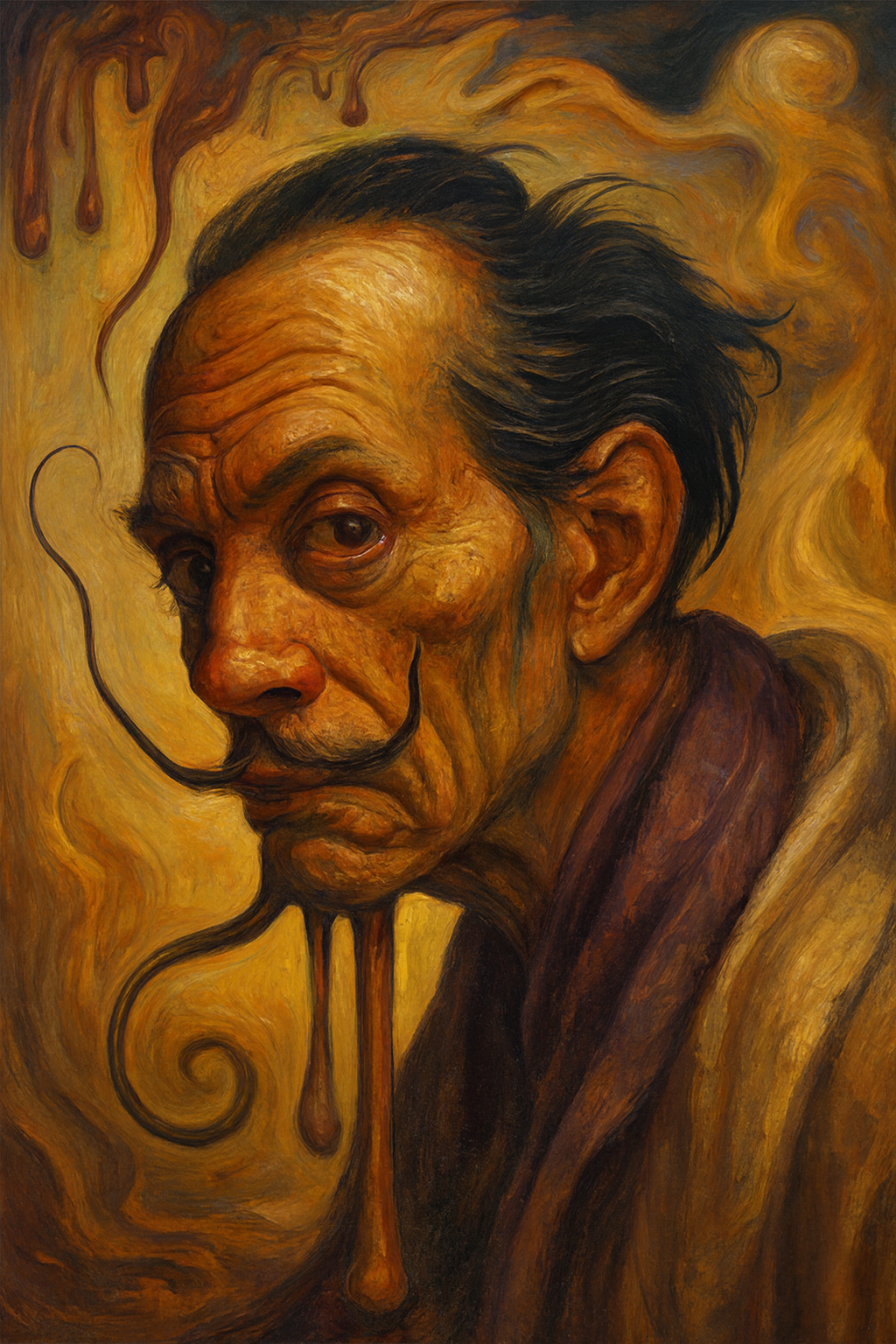
On the opposite end of the spectrum stands Arno van Kessel, a former lawyer and outspoken critic of Dutch government policies, particularly those related to COVID-19 and civil liberties. Van Kessel was arrested with considerable force and held in isolation without formal charges. His case received limited media coverage but sparked concern among civil rights advocates.
Van Kessel’s detention raises questions about freedom of speech, due process, and the proportionality of state action. Unlike Taghi, Van Kessel is not accused of violence or organized crime. His “threat” lies in his dissenting views and public criticism. The use of preemptive detention and restrictions on communication suggest a shift toward securitization of political discourse.
A Dual Mirror: What These Cases Reveal

Though Taghi and Van Kessel represent vastly different profiles—one a violent criminal, the other a political dissenter—their cases reflect a shared erosion of legal norms. Together, they form a dual mirror that exposes the vulnerabilities of the Dutch rule of law.
- Taghi illustrates the powerlessness of legal defense: Lawyers are deterred by fear of prosecution, undermining the principle of fair trial.
- Van Kessel illustrates the power of the state to silence dissent: Detention without charge and isolation tactics suggest a willingness to suppress controversial voices.
In both cases, the legal system appears to operate selectively, applying its principles differently depending on the perceived threat. This undermines the universality of justice and raises concerns about the politicization of law enforcement.
The Rise of Security Logic
A common thread in both cases is the increasing influence of security logic in legal proceedings. The Dutch intelligence service (AIVD) plays an active role in monitoring suspects and, reportedly, their legal counsel. The boundaries between criminal justice and national security are becoming blurred.
In Taghi’s case, extreme surveillance and isolation measures are justified by the severity of his alleged crimes. Yet these measures also compromise the confidentiality of legal communication, a fundamental right in any defense. In Van Kessel’s case, the rationale for detention appears rooted in preventing potential unrest or misinformation, rather than responding to actual criminal behavior.
This shift toward preemptive and preventive justice reflects a broader trend in Western democracies, where the fear of terrorism, organized crime, and political instability leads to expanded state powers. While such powers may be necessary in exceptional cases, their normalization threatens the balance between liberty and security.
Selective Justice and the Erosion of Trust
One of the most troubling aspects of these cases is the emergence of selective justice. The rule of law is predicated on equal treatment, regardless of one’s background, beliefs, or alleged crimes. When legal protections become conditional—based on public opinion, political pressure, or media portrayal—the system loses its moral authority.
Taghi’s lack of legal representation is not just a logistical problem; it is a symbolic failure. It suggests that some individuals are beyond the reach of justice—not because they evade it, but because the system itself withdraws. Van Kessel’s detention, meanwhile, signals that dissent may be punished not through debate, but through isolation.
This dual erosion—of defense rights and free expression—creates a climate of fear and distrust. Lawyers hesitate to take controversial cases. Citizens fear speaking out. The legal system, once a shield for the vulnerable, becomes a tool of control.
Implications for the Future
If these trends continue, the Netherlands risks a transformation of its legal culture. The consequences could include:
- Reduced access to legal defense: Especially in high-profile or politically sensitive cases, defendants may struggle to find representation.
- Self-censorship among lawyers and activists: Fear of surveillance or prosecution may deter engagement with controversial issues.
- Normalization of exceptional measures: Isolation, preemptive detention, and intelligence-led policing could become standard practice.
- Declining public trust: Citizens may lose faith in the impartiality and fairness of the legal system.
To prevent this, a recalibration is needed. The legal community must reaffirm its commitment to universal rights. Lawmakers must ensure that security measures do not override constitutional protections. And civil society must remain vigilant, holding institutions accountable.
Conclusion
The cases of Ridouan Taghi and Arno van Kessel are not isolated incidents. They are stress tests for the Dutch rule of law. Taghi’s situation reveals the fragility of legal defense under pressure. Van Kessel’s case exposes the risks of suppressing dissent in the name of order. Together, they challenge the notion that the Netherlands is immune to the erosion of democratic principles.
A true rule of law does not bend to fear, reputation, or political convenience. It applies equally to the criminal and the critic, the powerful and the powerless. If the Netherlands wishes to preserve its legal integrity, it must confront these challenges head-on—before exceptional cases become the new normal.


 Dutch Echo
Leave a comment