
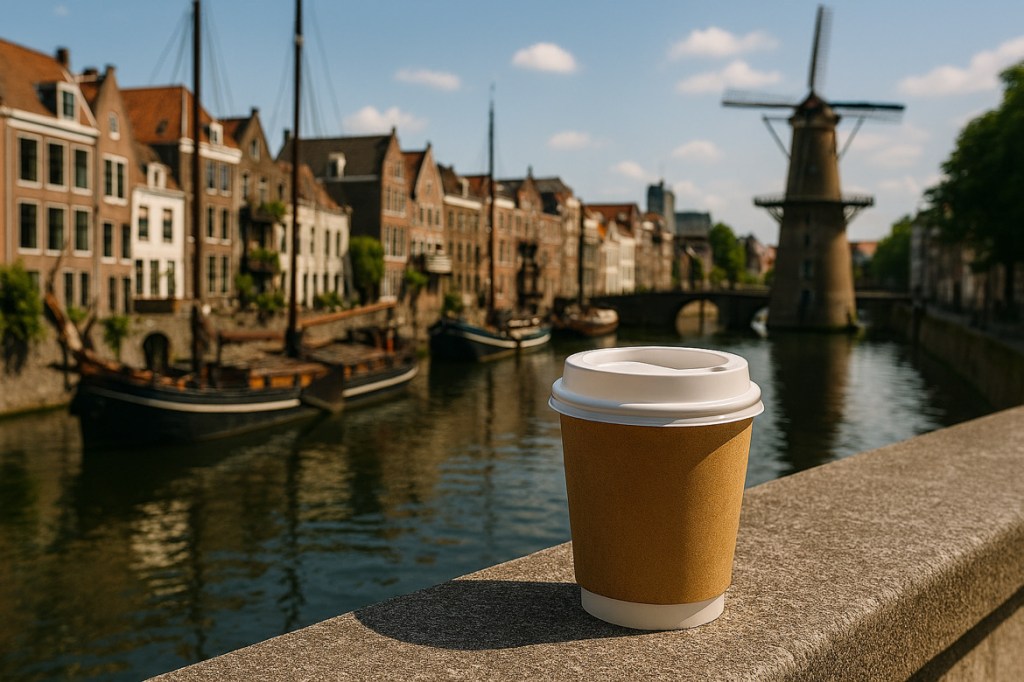
Rotterdam — In a city known for its resilience, diversity, and no-nonsense attitude, one ritual remains sacred: coffee. Whether it’s a quick espresso at a corner café or a slow pour-over at home, Rotterdammers love their brew. But as global coffee prices soar, the cost of that daily cup is becoming harder to swallow. Still, the city refuses to give up its caffeine fix.
📈 Why Is Coffee Getting So Expensive?
The price of coffee beans has skyrocketed in 2025, driven by a perfect storm of global challenges:
- Climate change has devastated harvests in Brazil and Vietnam, the world’s top coffee producers. Prolonged droughts and erratic rainfall have reduced yields, especially of Robusta beans.
- New EU regulations aimed at preventing deforestation (EUDR) have increased production costs, requiring traceability and sustainability certifications.
- Speculation on commodity markets has pushed prices even higher, as investors bet on scarcity.
- Rising transport and energy costs have added pressure across the supply chain.
Advertisement

As a result, supermarket prices in the Netherlands have surged. A kilo of coffee now costs over €20, and Fairtrade-certified brands like Max Havelaar can reach €30 per kilo.
💸 What Does This Mean for Consumers?
Rotterdammers are feeling the pinch. A cup of coffee at a café or terrace now costs between €3.50 and €4.50. A simple combo of coffee and a sandwich can set you back €10. One visitor at the Tilburg fair reported paying €20 for two coffees and four pieces of baklava.
Despite the rising costs, the love for coffee remains strong. In a recent video by OPEN Rotterdam, locals expressed their determination to keep drinking coffee. “A child is almost cheaper than coffee,” one man joked. Others said they’d rather cut back on other expenses than give up their daily brew.
🏠 The Return of Home Brewing
As prices rise, many are turning back to home brewing. Filter coffee, once considered old-fashioned, is making a comeback. It’s affordable, simple, and surprisingly tasty. French presses and moka pots are also gaining popularity among those who want café-quality coffee without the café prices.
Some enthusiasts are even roasting their own beans at home, seeking out specialty coffee from ethical sources. This trend reflects a shift from quantity to quality — people are drinking fewer cups, but savoring each one more.
🌍 Are Coffee Farmers Benefiting?
Ironically, the people who grow the coffee are still struggling. According to the Coffee Barometer 2023, farmers in 8 of the 10 largest coffee-producing countries continue to live below the poverty line. Only about 20% of the price paid by consumers reaches the producers; the rest is absorbed by traders, brands, and retailers.
Fairtrade initiatives like Max Havelaar aim to change this by guaranteeing minimum prices and offering premiums for community development. But the impact is limited as long as major brands and supermarkets prioritize profit over fairness.
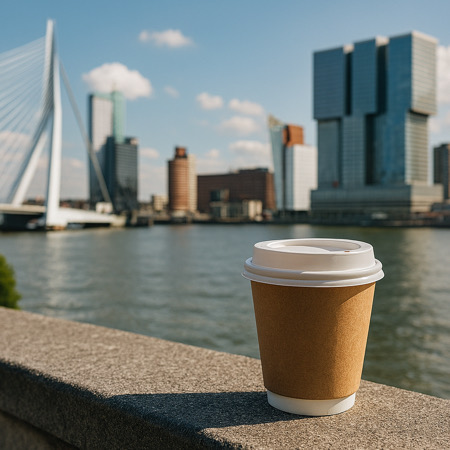
Rodney van den Hengel of Heilige Boontjes, a socially conscious coffee brand in Rotterdam, emphasizes that ethical coffee costs more — and that consumers must be willing to pay for justice in the supply chain.
🧠 What’s the Smart Move for Coffee Lovers?
For Rotterdam’s coffee drinkers, wisdom lies in balancing enjoyment with awareness. Here are some tips:
- Drink mindfully: Savor one good cup a day instead of multiple rushed ones.
- Brew at home: A homemade coffee costs a fraction of what you’d pay at a café.
- Support local roasters: Brands like Heilige Boontjes offer transparency and social impact.
- Choose ethical labels: Look for Fairtrade, Rainforest Alliance, or direct-trade certifications.
- Be skeptical of marketing: Not all “sustainable” packaging reflects fair practices.
As one local put it, “People are bringing their own sandwiches again and enjoying coffee on a bench. We’re going back to normal.”
🔍 A Cultural Staple Under Pressure
Coffee is more than a beverage in Rotterdam — it’s a cultural staple, a moment of pause, a reason to connect. The rising prices are forcing people to rethink their habits, but not abandon them. Instead of mass consumption, the trend is shifting toward meaningful experiences.
Whether it’s a quiet morning ritual at home or a shared espresso with friends, coffee continues to anchor daily life in the city. And while the economics may be changing, the emotional value remains.
📝 Conclusion
The coffee crisis of 2025 is a wake-up call. It reveals the fragility of global supply chains, the inequality in trade, and the resilience of local communities. In Rotterdam, people are adapting — not by giving up coffee, but by choosing smarter, fairer, and more intentional ways to enjoy it.
So next time you sip your brew, remember: it’s not just a drink. It’s a story of farmers, climate, politics, and culture — and you’re part of it.



 Dutch Echo
Leave a comment