
Introduction
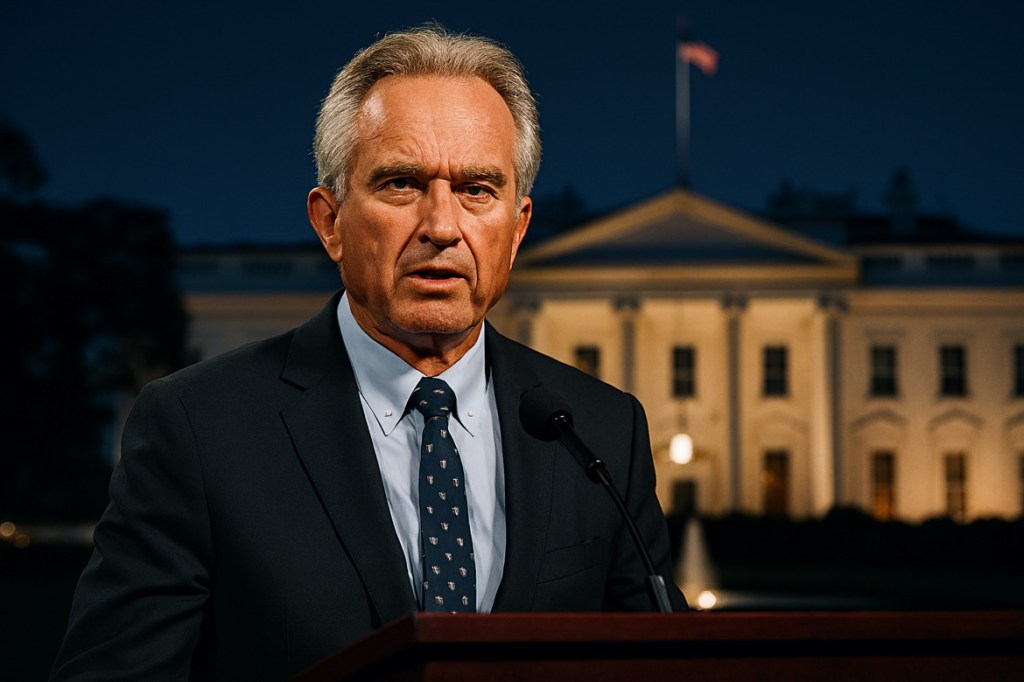
In a political landscape often dominated by cautious reform and incremental change, Robert F. Kennedy Jr. has emerged as a disruptive force. Since his appointment as the United States Secretary of Health and Human Services in February 2025, Kennedy has launched a sweeping campaign to defund mRNA vaccine research and challenge the pharmaceutical industry’s grip on public health policy. His actions have sent shockwaves through Washington, rattled global markets, and ignited fierce debates across continents.
This article explores Kennedy’s motivations, the financial and political consequences of his decisions, and the potential ripple effects on Europe and the rest of the world. Whether you view him as a reformer, a radical, or a threat to scientific consensus, one thing is clear: Kennedy’s crusade is reshaping the future of medicine and governance.
A Minister with a Mission
Robert F. Kennedy Jr. is no stranger to controversy. A longtime environmental lawyer and health activist, he has built a reputation for challenging powerful institutions—from polluting corporations to vaccine manufacturers. His appointment by President Donald Trump in early 2025 marked a dramatic shift in U.S. health policy, especially given Kennedy’s outspoken criticism of mRNA technology and pandemic-era pharmaceutical practices.
Advertisement

Within weeks of taking office, Kennedy announced the termination of over $11 billion in federal funding for mRNA research and pandemic preparedness programs. This included the cancellation of 22 BARDA (Biomedical Advanced Research and Development Authority) projects, many of which were tied to major pharmaceutical companies like Moderna, Pfizer, and Sanofi.
Kennedy’s rationale? “We must stop wasting taxpayer money on experimental technologies that have failed to deliver long-term health benefits,” he stated in a press briefing. “It’s time to prioritize chronic disease prevention, natural immunity, and transparency.”
The Financial Fallout
The financial impact of Kennedy’s policy shift has been immediate and dramatic. Stock prices for mRNA-focused pharmaceutical companies plummeted in the days following his announcement:
- Moderna: –7.9%
- BioNTech: –7.1%
- Pfizer: –3.0%
These companies had collectively earned over $55 billion from mRNA vaccine sales between 2020 and 2022, much of it through government contracts and subsidies. The U.S. government alone provided more than $5 billion in direct funding to Moderna and Pfizer during the pandemic, not including advance purchase agreements that guaranteed revenue regardless of vaccine performance.
Kennedy’s decision to cut off these funds has forced pharmaceutical giants to reconsider their research priorities and business models. Moderna, for example, has announced a strategic pivot toward cancer immunotherapy and rare disease treatments. Pfizer has begun lobbying Congress to reinstate funding, arguing that Kennedy’s policies jeopardize national security and pandemic readiness.
Legal and Ethical Questions
Kennedy’s actions have also reignited legal and ethical debates surrounding vaccine injury and government accountability. In the Netherlands, a man who developed transverse myelitis after receiving the Janssen COVID-19 vaccine is seeking compensation. His lawyer, Laura-Jean van de Ven, argues that both the Dutch government and the vaccine manufacturer bear responsibility for failing to warn about potential side effects.

This case highlights a broader issue: the lack of transparency in contracts between governments and pharmaceutical companies. Many of these agreements remain classified, leaving citizens in the dark about liability, safety data, and financial terms. Kennedy has called for full disclosure of all U.S. vaccine contracts and is pushing for the creation of a federal compensation fund for vaccine-related injuries.
Political Resistance and Personal Risk
Kennedy’s crusade has earned him both praise and condemnation. Within the U.S., he faces opposition from Democrats, Republicans, and even members of his own family. President Joe Biden has criticized Kennedy’s policies as “reckless,” while Donald Trump—despite appointing him—has expressed concern that Kennedy’s actions could alienate key voters.
Kennedy’s family, long associated with liberal politics and public service, is deeply divided. Several relatives have publicly distanced themselves from his views, calling them “dangerous” and “misguided.”
Security concerns have also escalated. Following the attempted assassination of Donald Trump in late 2024, Kennedy was granted full Secret Service protection. He has received dozens of threats, and his public appearances are now tightly controlled.
Global Implications: A Domino Effect?
Could Kennedy’s policies spark a global shift in health governance? Experts say it’s possible.
The United States plays a central role in setting international health standards. Agencies like the FDA and NIH influence regulatory decisions in Europe, Asia, and Latin America. If Kennedy succeeds in reforming these institutions, other countries may follow suit.
In Europe, skepticism toward mRNA vaccines is growing. Germany, Switzerland, and Italy have implemented more robust compensation programs for vaccine injuries. In the Netherlands, public debate is intensifying, especially as cases like the Janssen injury gain media attention.
However, structural differences remain. European countries generally have stronger public health systems and less reliance on private pharmaceutical funding. They also tend to adopt more cautious, consensus-driven approaches to policy change.
Still, Kennedy’s actions have emboldened activists, journalists, and politicians across the globe. Calls for transparency, accountability, and ethical reform are gaining momentum.
A New Health Paradigm?
Kennedy’s broader vision is encapsulated in his “Make America Healthy Again” (MAHA) initiative. This program emphasizes:
- Prevention of chronic diseases through diet, exercise, and environmental reform
- Reduction of pharmaceutical dependency
- Promotion of natural immunity and holistic medicine
- Decentralization of health authority and increased citizen participation
Critics argue that MAHA lacks scientific rigor and could undermine trust in proven medical interventions. Supporters see it as a necessary correction to decades of corporate influence and bureaucratic inertia.
The truth likely lies somewhere in between. Kennedy’s policies challenge entrenched systems, but they also raise valid questions about the future of medicine, ethics, and democracy.
Conclusion
Robert F. Kennedy Jr. is not just a minister — he’s a movement. His campaign against Big Pharma and mRNA technology is reshaping the contours of public health policy, both in the United States and abroad. Whether his reforms endure or unravel will depend on political will, public support, and the resilience of the institutions he seeks to transform.
For now, the world watches as one man dares to confront an industry long considered untouchable. And in doing so, he may be opening the door to a new era of health, transparency, and accountability.


 Dutch Echo
Leave a comment