

📍 Rotterdam — If you’ve been scrolling through your feed lately, chances are you’ve seen the viral clips: South Korean engineers in handcuffs, escorted out of a battery factory in Georgia, USA. The factory, a joint venture between Hyundai and LG Energy Solution, was supposed to be a symbol of global cooperation and clean-tech innovation. Instead, it’s become ground zero for a diplomatic firestorm — and a litmus test for President Trump’s hardline immigration and labor policies.
For young adults in Rotterdam — whether you’re working in logistics, tech, or just trying to make sense of global politics — this story isn’t just about America. It’s about how governments balance national interests, foreign investment, and the rights of workers. And it’s about whether Trump’s “America First” approach is actually delivering for the average American employee.
🚨 What Went Down in Georgia?
On 9 September 2025, ICE (U.S. Immigration and Customs Enforcement) raided a battery factory in Georgia, arresting 475 workers — over 300 of whom were South Korean nationals. The factory was being built to produce batteries for 300,000 electric vehicles annually, a cornerstone of America’s green transition.
The issue? Many of the South Korean workers were allegedly in the U.S. on tourist or business visas, not work permits. That’s a violation of immigration law, and ICE didn’t hold back. The images of engineers in chains sparked outrage in South Korea, where officials called the treatment “barbaric” and “humiliating.” President Lee Jae-myung sent his foreign minister to Washington, demanding answers and the immediate release of the detainees.
Advertisement
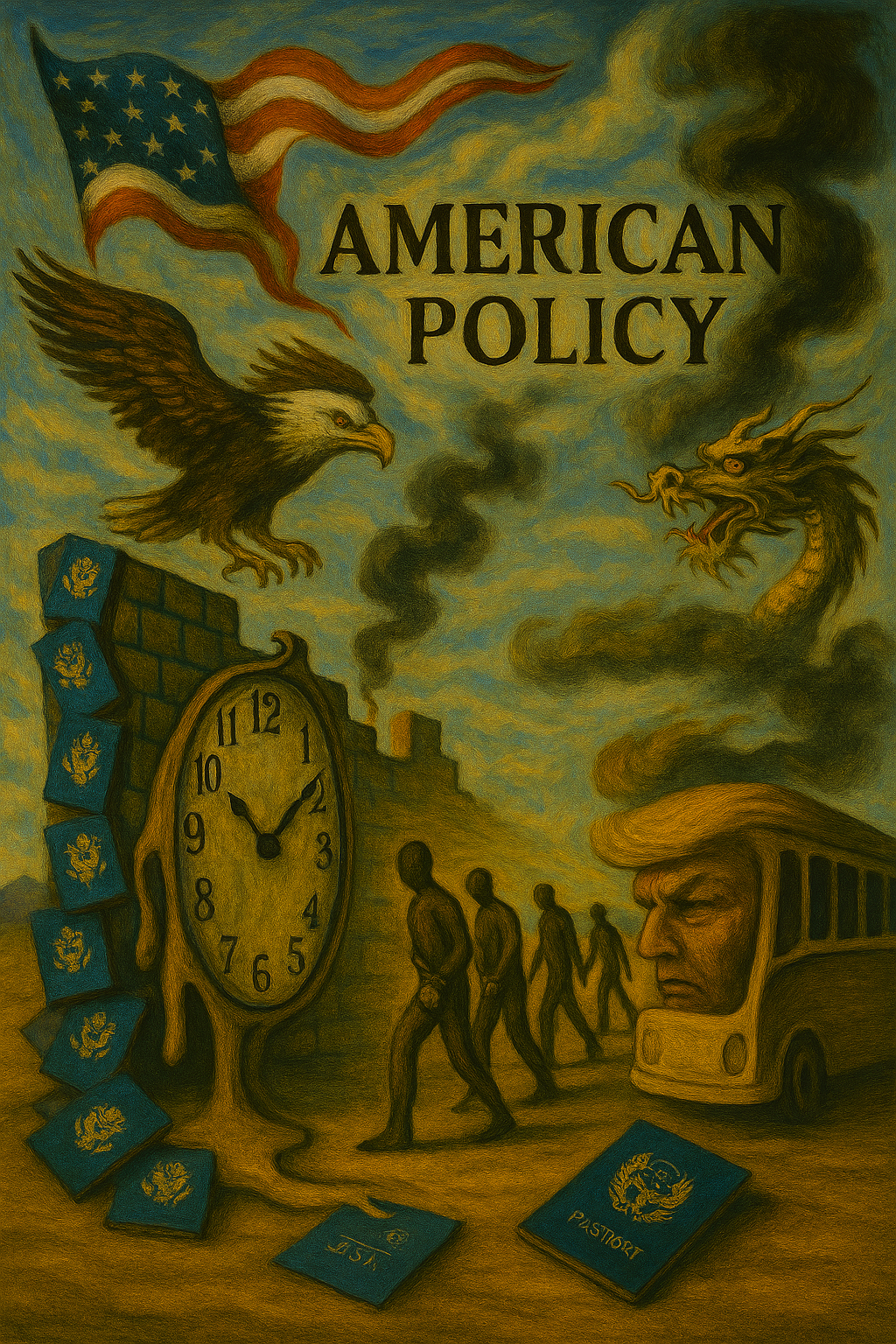
🇺🇸 Trump’s Policy: Law, Order, and Loyalty to American Workers
President Trump defended the raid, stating that foreign companies must follow U.S. laws — no exceptions. His administration has long pushed for stricter immigration enforcement, arguing that illegal labor undercuts American wages and job opportunities.
Trump’s stance is clear: if foreign companies want to operate in the U.S., they must hire legally, train American workers, and respect the system. In his own words: “They should bring in smart people legally and train Americans to do the job.”
This isn’t just rhetoric. Since returning to office, Trump has doubled down on policies that prioritize American labor:
- Tightened visa regulations, especially for temporary work permits.
- Increased workplace inspections by ICE and the Department of Labor.
- Reduced federal funding for programs that support foreign labor recruitment.
- Tax incentives for companies that hire and train U.S. citizens.
💼 Is It Working for American Workers?
Let’s break it down. Trump’s policies aim to reduce reliance on foreign labor and boost domestic employment. So far, the results are mixed — but not insignificant.
✅ Job Creation in Low-Skill Sectors
In industries like agriculture, construction, and hospitality, stricter immigration enforcement has led to a modest uptick in hiring of American workers. With fewer undocumented workers available, companies are offering slightly better wages and benefits to attract locals.
✅ Pressure on Companies to Train Locals
Foreign firms are now under pressure to invest in training programs for American employees. Hyundai and LG, for example, had planned to eventually transition technical roles to U.S. workers — but the ICE raid accelerated that timeline.
✅ Reinforced Rule of Law
For many Americans, especially in rural and conservative areas, the raid is seen as a win for law and order. It sends a message that even multinational corporations must play by the rules.
⚠️ But There’s a Catch
While the policy may benefit some American workers, it’s not without consequences.
❌ Skills Gap in High-Tech Industries
Advanced battery manufacturing requires specialized knowledge — and the U.S. simply doesn’t have enough trained workers in this field. South Korean engineers were brought in because they had the expertise. Without them, projects stall, and American workers lose out on future jobs.
❌ Risk to Foreign Investment
South Korea is one of America’s closest allies and biggest investors. The raid has already prompted calls in Seoul to reconsider future investments. If other countries follow suit, the U.S. could lose billions in foreign capital — and the jobs that come with it.
❌ Diplomatic Fallout
The incident has strained U.S.–South Korea relations. Korean officials are now investigating Americans working illegally in South Korea, and public sentiment is turning sour. That’s bad news for bilateral trade, defense cooperation, and global stability.
🌍 Why Rotterdam Should Care
You might be wondering: what does this have to do with us in Rotterdam?
Plenty.
The Netherlands, like the U.S., relies on foreign investment and skilled migration. Rotterdam is a hub for logistics, tech, and clean energy — sectors that thrive on international collaboration. If the U.S. model becomes the norm, it could reshape how global companies operate, hire, and expand.
Moreover, Dutch policymakers often look to the U.S. for cues. If Trump’s worker-first policy proves effective, it could inspire similar moves here — stricter visa rules, more inspections, and pressure on companies to “go local.”
🧠 What’s the Long Game?
Trump’s strategy is built on the idea that short-term pain leads to long-term gain. By enforcing immigration laws and pushing companies to hire Americans, he hopes to:
- Reduce unemployment
- Boost wages
- Restore manufacturing
- Rebuild trust in government
But success depends on whether the U.S. can fill the skills gap. Without investment in education, vocational training, and infrastructure, the plan could backfire — leaving factories half-built and workers underprepared.
🗣️ Voices from the Ground
Online reactions have been intense. Some Americans applaud the raid, saying it’s about time foreign companies stopped skirting the law. Others argue that the engineers were helping, not hurting — and that ICE’s actions were heavy-handed.
One South Korean commenter wrote:
“They came to help build a factory that would employ Americans. Now they’re treated like criminals. This is not how allies behave.”
Another American user countered:
“If Hyundai needs their skills, they should apply for worker visas. No one is above the law.”
The debate is far from over.
🔚 Final Thoughts
The ICE raid at Hyundai’s Georgia plant is more than a headline. It’s a flashpoint in a global conversation about labor, law, and loyalty. Trump’s policies may be tough, but they’re designed to protect American workers — even if that means upsetting allies and risking investment.
For young adults in Rotterdam, this is a moment to reflect. How do we balance national interests with global cooperation? How do we ensure fair treatment for workers — both local and foreign? And what kind of future do we want to build?
Because whether you’re in Georgia or Zuid-Holland, the choices we make today will shape the jobs, industries, and relationships of tomorrow.
Stay sharp. Stay informed. And keep echoing the truth.



 Dutch Echo
Leave a comment