
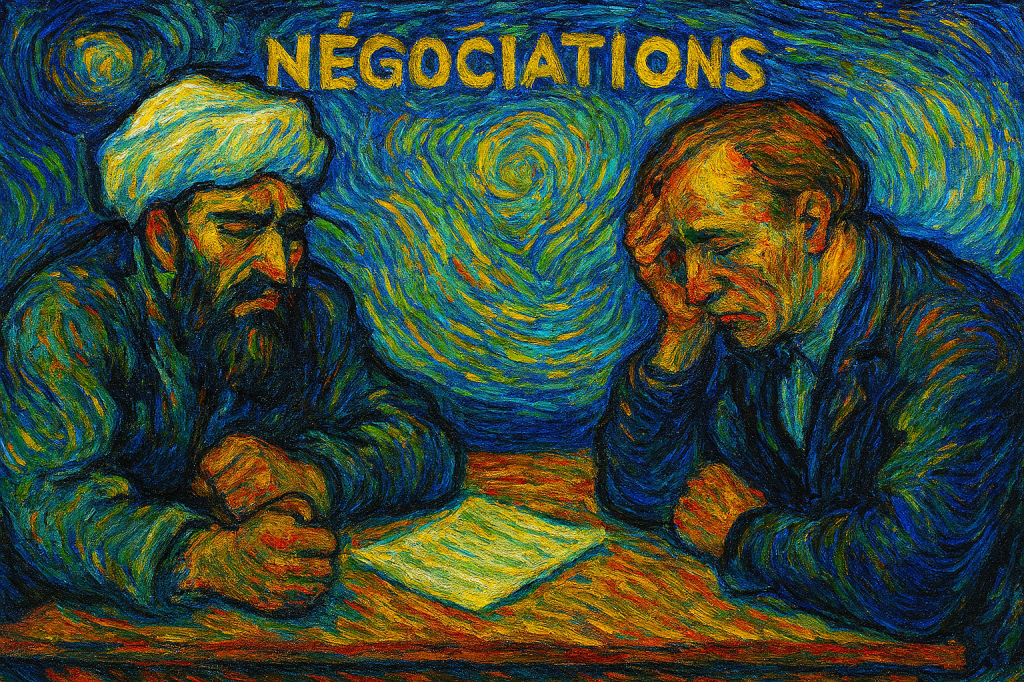
Rotterdam — In a world where diplomacy often dances on the edge of contradiction, the latest round of talks between Pakistan and the Afghan Taliban in Istanbul has once again collapsed. No signed agreements. No verifiable promises. Just more frustration, more distrust, and more questions about what comes next.
For many young people in Rotterdam — whether with roots in South Asia, a passion for global politics, or simply a desire to understand the forces shaping today’s headlines — this story matters. It’s not just about two countries negotiating across a table. It’s about ideology, loyalty, and the limits of diplomacy when religious identity and strategic survival collide.
🧨 The Conflict at a Glance
Pakistan is demanding one thing: that the Taliban take concrete, verifiable action against the Tehrik-i-Taliban Pakistan (TTP), a militant group responsible for dozens of deadly attacks inside Pakistan. The TTP operates from Afghan soil, and Islamabad believes the Taliban is either turning a blind eye — or actively supporting them.
Advertisement


The Taliban, meanwhile, refuse to commit. They won’t sign anything. They won’t guarantee anything. And they certainly won’t take military action against the TTP.
Why? Because the Taliban and the TTP are more than just neighbors. They’re ideological siblings.
🕌 Ideological Kinship: Taliban and TTP
Both groups are rooted in Deobandi Islam, a conservative Sunni movement that emerged in 19th-century India. They reject Western-style democracy, advocate for strict sharia law, and view secular governments — like Pakistan’s — as corrupt and un-Islamic.
The Taliban may now be the official rulers of Afghanistan, but their worldview hasn’t changed. And the TTP, despite being Pakistan’s enemy, shares that worldview. Asking the Taliban to dismantle the TTP is like asking someone to betray their own reflection.
This is where the talks keep breaking down. Pakistan wants action. The Taliban offer ambiguity.
🕊️ Istanbul Talks: What Went Wrong
The latest round of negotiations took place in Istanbul, with Qatar and Turkey acting as mediators. For two days, Pakistani officials presented evidence — photos, documents, and intelligence — showing TTP fighters crossing the border from Afghanistan into Pakistan. They demanded written guarantees that the Taliban would take action.
The Taliban refused.
Instead, they suggested Pakistan should talk directly to the TTP — a move Islamabad sees as absurd. “You host them, you protect them, and now you want us to negotiate with them?” one Pakistani official reportedly said.
The talks ended with no agreement, no progress, and rising tensions.
⚔️ Troops on Edge
While diplomats talk, soldiers prepare.
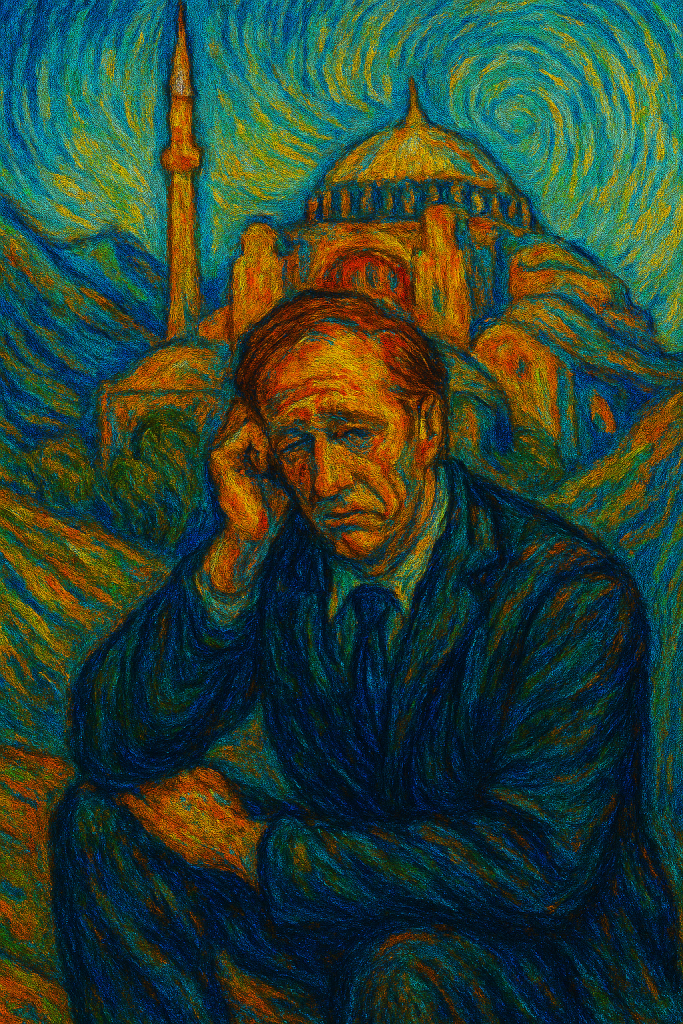
- Pakistan has reinforced its border zones, especially in Chaman, Kuram, and North Waziristan.
- The Taliban have increased patrols on their side of the border, particularly in Kandahar and Spin Boldak.
- Infiltration attempts from Afghanistan into Pakistan were reported during the talks themselves — a chilling reminder that the conflict isn’t just theoretical.
Pakistan has already launched precision airstrikes on suspected Taliban positions. The Taliban responded with threats. The situation is volatile, and the risk of escalation is real.
🧠 Strategic Vagueness or Religious Loyalty?
Many analysts — including voices in Dutch media — have pointed to a deeper layer beneath the failed diplomacy: strategic vagueness as a form of ideological coping.
In psychological terms, coping refers to how individuals or groups manage stress and conflict. In this case, the Taliban’s refusal to commit may be a form of identity preservation. By staying vague, they avoid betraying their ideological kin while maintaining diplomatic channels with Pakistan.
Some observers even link this behavior to Koran verse 3:28, which warns believers not to take non-believers as allies unless under threat. While this verse is often misused or misunderstood, it reflects a broader pattern: in times of conflict, loyalty tends to flow toward those who share your beliefs.
🧭 Pakistan’s Dilemma
Pakistan is caught in a paradox.
- It wants to protect its citizens from TTP attacks.
- It needs the Taliban’s cooperation to do so.
- But it also knows the Taliban won’t turn on the TTP — not fully, not verifiably.
So what are the options?
- Military escalation: risky, costly, and potentially destabilizing for the entire region.
- Diplomatic pressure: already failing.
- International mediation: Qatar and Turkey are trying, but without leverage, their role is limited.
Pakistan has publicly stated it is willing to “pay any price” to protect its people. That kind of language doesn’t suggest patience.
🌍 Why This Matters in Rotterdam
You might be wondering: why should someone in Crooswijk or Delfshaven care about a border conflict thousands of kilometers away?
Here’s why:
- Diaspora connections: Rotterdam is home to thousands of people with roots in Pakistan and Afghanistan. What happens there affects families, communities, and identities here.
- Security implications: Radicalization, ideological export, and geopolitical instability don’t respect borders. The Taliban-TTP dynamic has echoes in Western debates about extremism and integration.
- Media narratives: Dutch media have long grappled with how to report on Islamic fundamentalism — often invoking terms like taqiyya (strategic concealment) in ways that spark controversy. Understanding the real dynamics helps cut through the noise.
📚 A Note on Taqiyya
The term taqiyya — often misunderstood — refers to the Islamic concept of hiding one’s faith under threat. It originates in Shi’a Islam, not Sunni. Yet in Western discourse, it’s sometimes used to describe perceived double-speak among radical Sunni groups.
In reality, what we’re seeing from the Taliban isn’t religious taqiyya. It’s political strategy. They’re not hiding their beliefs — they’re just refusing to act against those who share them.
🔮 What Comes Next?
The next round of talks is tentatively scheduled for Doha. But expectations are low. Pakistan wants written guarantees. The Taliban want plausible deniability. And the TTP keeps launching attacks.
Unless something shifts — ideologically or strategically — the cycle will continue: talks, breakdown, retaliation, repeat.
🧭 Final Thoughts
This isn’t just a story about two governments. It’s a story about identity, loyalty, and the limits of diplomacy in a world where belief often trumps pragmatism.
For young adults in Rotterdam and beyond, it’s a reminder that global politics isn’t just about borders and treaties. It’s about people — their fears, their loyalties, and the stories they tell themselves to survive.
And sometimes, those stories make peace impossible.


 Dutch Echo
Leave a comment