
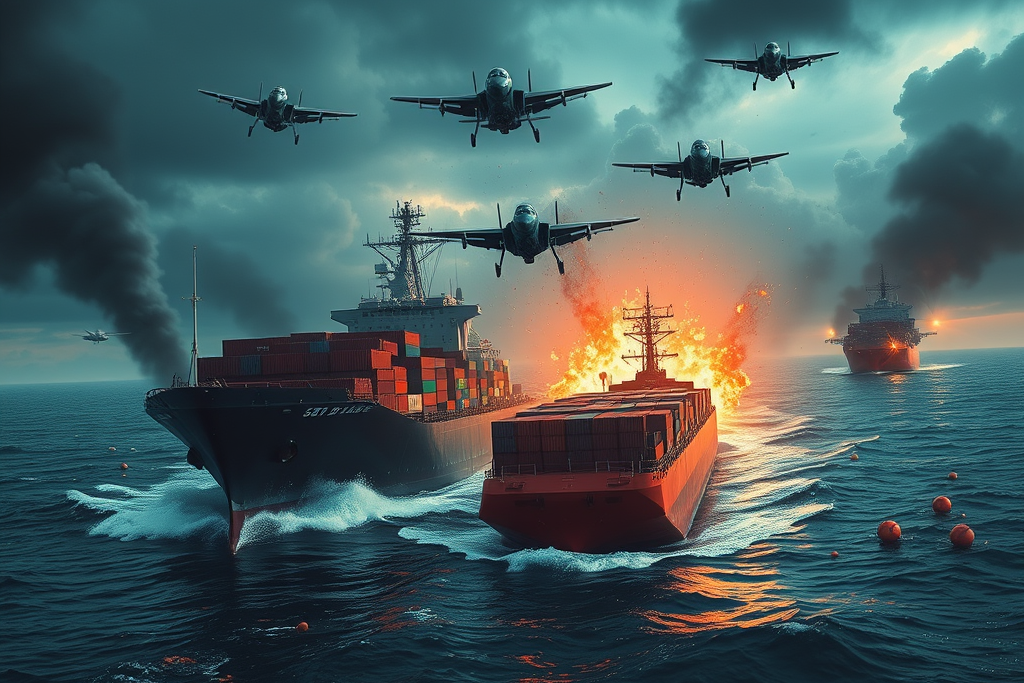
Rotterdam — If you’ve been scrolling through your feeds lately, you’ve probably seen headlines about drones over Eilat, rockets flying from Yemen, and Israel scrambling to keep its skies safe. It feels like every week there’s another flashpoint in the Middle East, and somehow the names Iran and Houthis keep popping up next to Israel. For anyone living in Rotterdam or anywhere else in Europe, it might seem distant. But the ripple effects — from shipping routes to global politics — are closer than you think.
This piece breaks down what’s going on, why it matters, and how the conflict has evolved since the short but brutal war between Israel and Iran earlier this year. No jargon, no heavy lectures — just the story as it unfolds, told in a way that connects to the world we live in now.
A War That Lasted Twelve Days, But Changed Everything
Back in June 2025, Israel and Iran went head‑to‑head in what’s now called the Twaalfdaagse Oorlog — the Twelve‑Day War. Israel launched airstrikes on Iran, aiming to cripple its nuclear program. Iran hit back with waves of rockets and drones, overwhelming Israel’s famous Iron Dome defense system. By the time the United States stepped in with its own strikes, the damage was done: Israel had lost 28 lives, Iran more than 600.
Advertisement


It was short, but it was a shock. For the first time, Israel and Iran weren’t just fighting through proxies like Hezbollah or Hamas — they were directly at war. And while the ceasefire held after June, the tension never really disappeared.
Enter the Houthis: Yemen’s Fighters With a Global Reach
If you’re not familiar with the Houthis, here’s the quick version: they’re a rebel movement from northern Yemen, officially called Ansar Allah. They’ve been fighting against a Saudi‑backed government for years, and they’ve built up serious military capabilities — drones, missiles, and a willingness to use them.
Iran supports them with weapons, training, and political backing. The Houthis aren’t puppets, though; they’ve got their own agenda. But the partnership works: Iran gets a way to pressure Saudi Arabia and Israel, and the Houthis get resources and legitimacy.
Since May 2025, the Houthis have been firing drones and rockets at Israel, claiming solidarity with Palestinians in Gaza. They’ve also targeted ships in the Red Sea, disrupting trade routes worth trillions of dollars annually.
September Shock: When the Iron Dome Failed
On 24 September 2025, the Houthis pulled off something that made headlines worldwide. A drone launched from Yemen slipped past Israel’s defenses and hit Eilat, a southern port city. More than 20 people were injured.
For Israel, it was embarrassing. The Iron Dome is supposed to be one of the most advanced defense systems in the world, but it wasn’t built to handle swarms of drones and long‑range attacks from hundreds of kilometers away. Suddenly, the idea that Israel could defend itself without help looked shaky.
Israel Strikes Back — Hard
Israel didn’t just sit back. In May, August, and October 2025, it launched airstrikes on Houthi targets in Yemen. Airports, energy facilities, and military complexes were hit. Each time, dozens of people were killed or wounded.
The numbers tell the story:
- In Israel, Houthi attacks have caused dozens of injuries but relatively few deaths.
- In Yemen, Israeli strikes have caused tens of deaths and hundreds of injuries.
It’s an asymmetrical fight. Israel has advanced jets and precision weapons; Yemen has drones and rockets. But both sides are locked into a cycle of attack and retaliation.

Iran’s Shadow Over the Conflict
Even when Israel isn’t directly bombing Iran, the shadow of Tehran looms large. Iran supplies the Houthis with drones and missiles, and it encourages them to keep pressure on Israel. For Iran, the Houthis are a way to fight Israel without risking another direct war.
Israel knows this, which is why it keeps targeting supply lines and trying to block Iranian weapons from reaching Yemen. But it’s a game of cat and mouse, and so far Iran has managed to keep the Houthis armed and dangerous.
Why Rotterdam Should Care
You might be thinking: Okay, but what does this have to do with us in Rotterdam?
Here’s the thing: the Houthis aren’t just firing at Israel. They’re also attacking ships in the Red Sea, one of the world’s busiest trade routes. Every container ship that passes through carries goods that end up in European ports — including Rotterdam, the biggest port in Europe.
When the Houthis disrupt shipping, insurance costs rise, delivery times stretch, and prices for everyday goods can spike. It’s not just a Middle Eastern problem; it’s a global one.
The Human Cost
Numbers can feel abstract, so let’s put it plainly:
- In Israel, families are living with the fear of drones and rockets, even if casualties are relatively low.
- In Yemen, ordinary people are caught in the middle of airstrikes, with hospitals overwhelmed and infrastructure collapsing.
The imbalance is stark. Israel’s defenses mean fewer deaths, but Yemen’s civilians have little protection against modern airpower.
The Iron Dome’s Reputation on the Line
For years, the Iron Dome was seen as almost invincible. It intercepted rockets from Gaza with success rates above 85%. But drones are a different beast. They fly low, slow, and can be launched in swarms.
The Houthis have exploited that weakness, and Iran has learned from it too. During the June war, Iran used drone swarms to overwhelm Israel’s defenses. The message was clear: technology alone isn’t enough.
What Happens Next?
Right now, everything hangs on the fragile ceasefire in Gaza. The Houthis have said they’ll resume attacks if Israel breaks it. Israel has warned it will keep striking back if drones keep flying. Iran is watching closely, ready to push the Houthis further if it suits its strategy.
It’s a tense pause, not a peace.
Rotterdam’s Perspective: Watching From Afar, Feeling the Ripples
For young adults in Rotterdam, the conflict might feel like another distant war. But think about the bigger picture:
- The Red Sea disruptions affect global trade, including the flow of goods to Europe’s largest port.
- The instability fuels energy price spikes, which hit wallets everywhere.
- The narrative of drones overwhelming high‑tech defenses is reshaping military strategy worldwide.
In other words, what happens in Eilat or Sana’a doesn’t stay there. It echoes through shipping lanes, markets, and even the way governments think about defense.
A Timeline of Escalation (2025)
- May: Houthis fire rockets at Israel; Israel bombs Sana’a airport.
- June: Israel and Iran fight the Twelve‑Day War.
- August: Israeli strikes kill and wound dozens in Yemen.
- September: Houthi drone hits Eilat, injuring 22.
- October: Israel bombs Houthi targets again, killing 9.
- November: Houthis issue ultimatum: if Gaza truce collapses, war resumes.
Final Thoughts
The Israel‑Iran‑Houthi triangle is messy, violent, and far from over. For Israel, it’s about survival and deterrence. For Iran, it’s about influence and resistance. For the Houthis, it’s about power, legitimacy, and solidarity with Palestinians.
And for the rest of us — whether in Rotterdam, London, or New York — it’s about understanding how these conflicts ripple outward. The drones over Eilat might feel far away, but the consequences are global.



 Dutch Echo
Leave a comment