
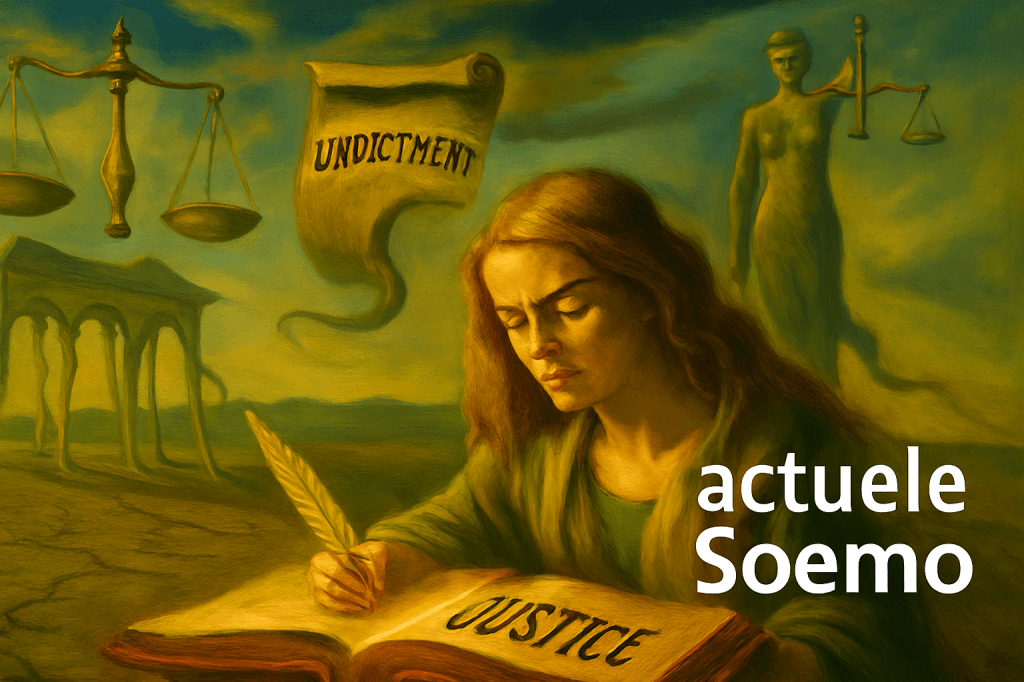
Rotterdam has always been a city of makers. From the raw energy of its port to the underground art scenes in Crooswijk and Delfshaven, creativity here has never been just decoration—it’s survival, identity, and rebellion. But if you’ve been paying attention lately, you’ll notice something: the tools of creation are changing fast.
Not long ago, the smell of paint, the scratch of charcoal, and the dim glow of a darkroom defined the rhythm of artistic life. Many of us grew up with sketchbooks, film rolls, and the ritual of waiting for a photograph to appear in chemical baths. That tactile world carried a sense of patience and craft. Today, though, the vibe is different. The brush has been replaced by the touchscreen, the darkroom by editing apps, and the heavy camera by something as simple as an iPhone 14.
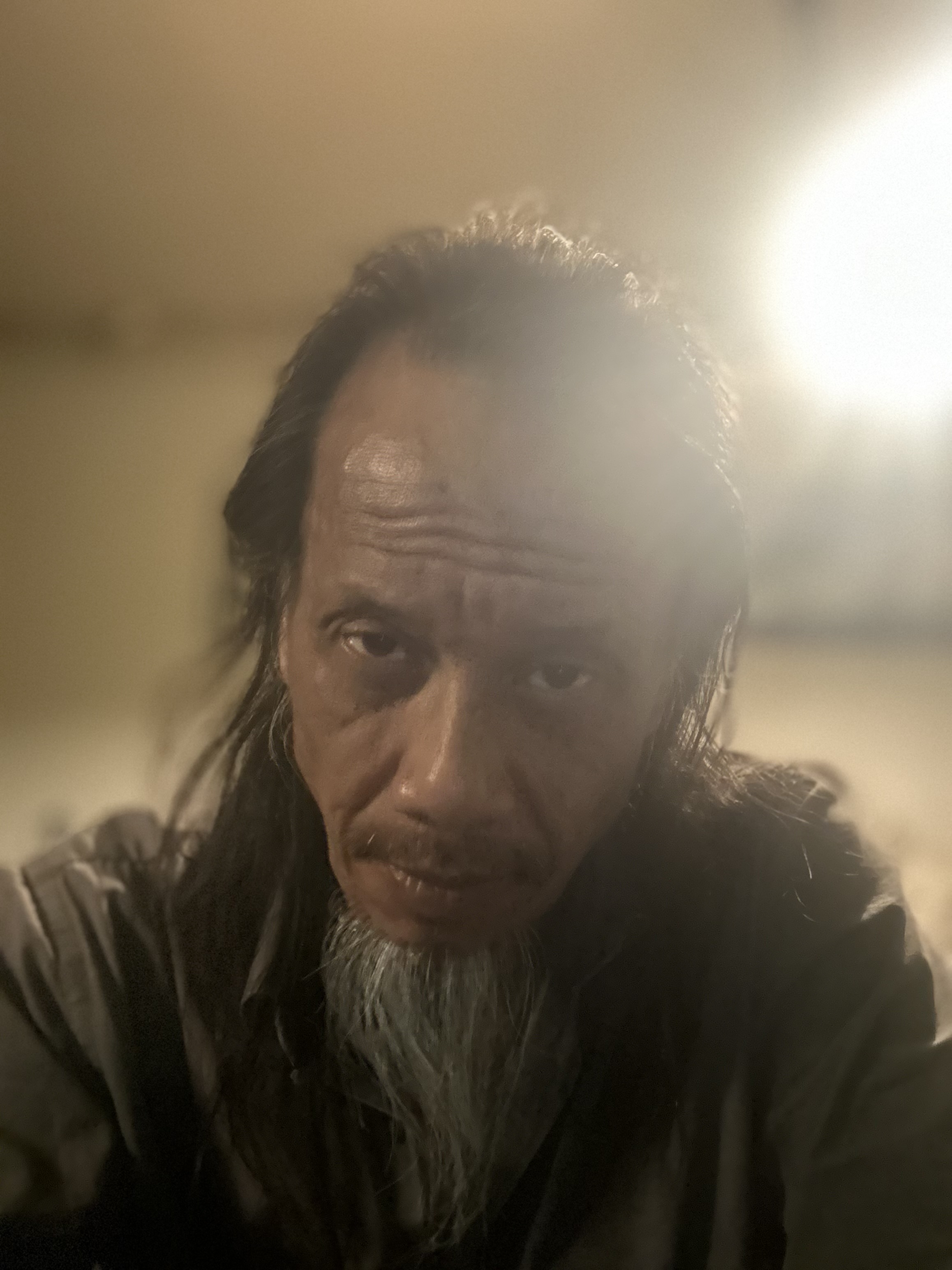


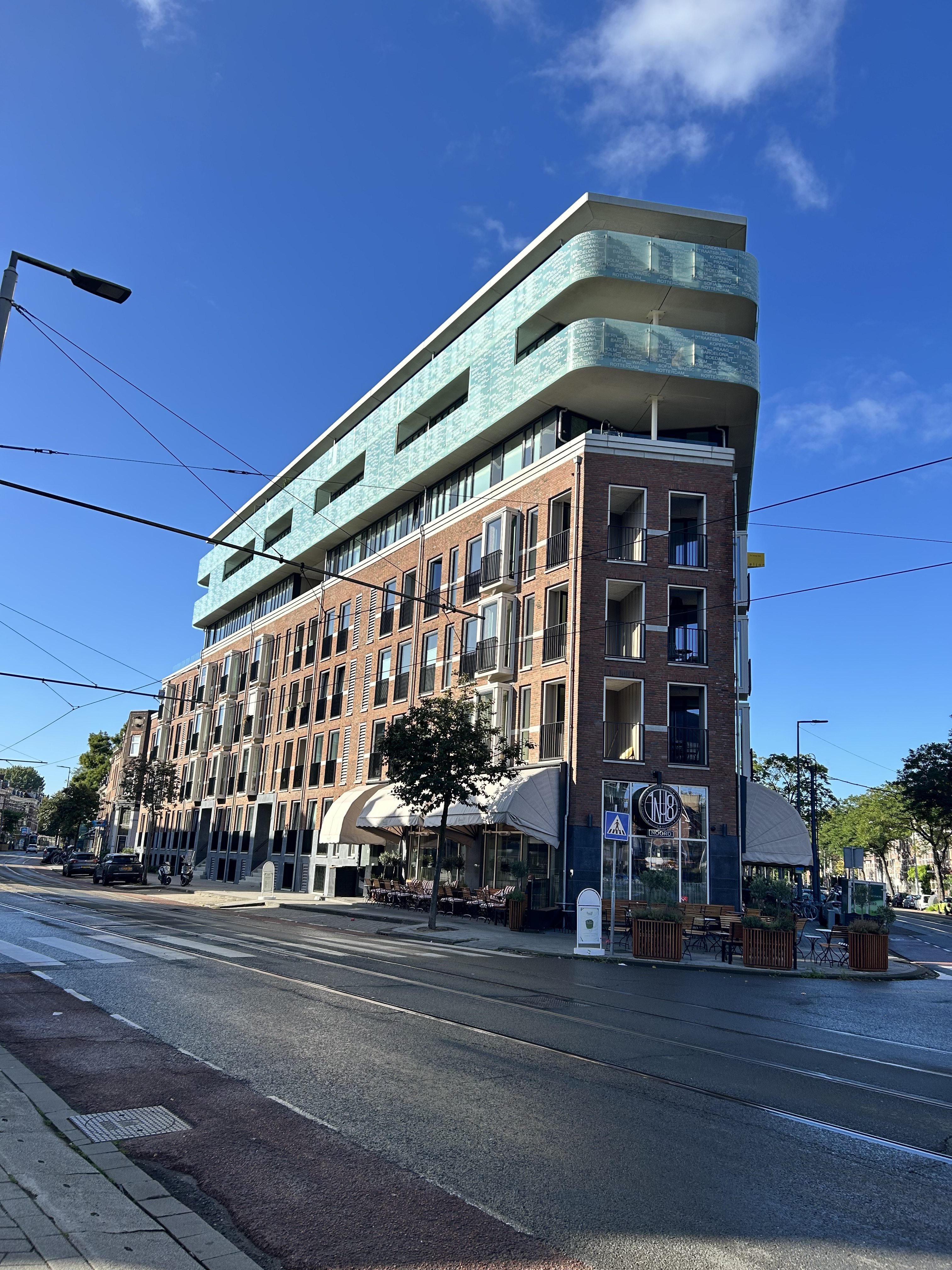


This isn’t just about convenience—it’s about possibility. AI tools, digital canvases, and pocket‑sized studios are opening doors that used to be locked by cost, time, or access. You don’t need a warehouse full of equipment to experiment anymore. You can sketch, shoot, remix, and publish from your bedroom, your tram ride, or your café table. Rotterdam’s young creatives are leaning into this shift, not as a rejection of tradition but as a remix of it.
Advertisement

There’s a tension here, of course. Some argue that the loss of “real” materials means losing authenticity. The smell of oil paint or the weight of a camera can’t be replicated by pixels. But others see it differently: authenticity isn’t about the medium, it’s about the message. If your work speaks truth, if it captures the chaos of a summer lived wildly or the quiet insight after stress, then it belongs—whether it was born from graphite or generated with AI.
What’s striking in Rotterdam right now is how this digital wave is colliding with the city’s culture of resilience. Young adults here know what it means to hustle, to adapt, to turn lessons from hard experiences into new opportunities. The move from analog to digital feels less like a break and more like a continuation of that spirit. It’s about taking the raw energy of lived experience and channeling it through whatever tools are available—whether that’s a pencil, a paintbrush, or a smartphone camera.







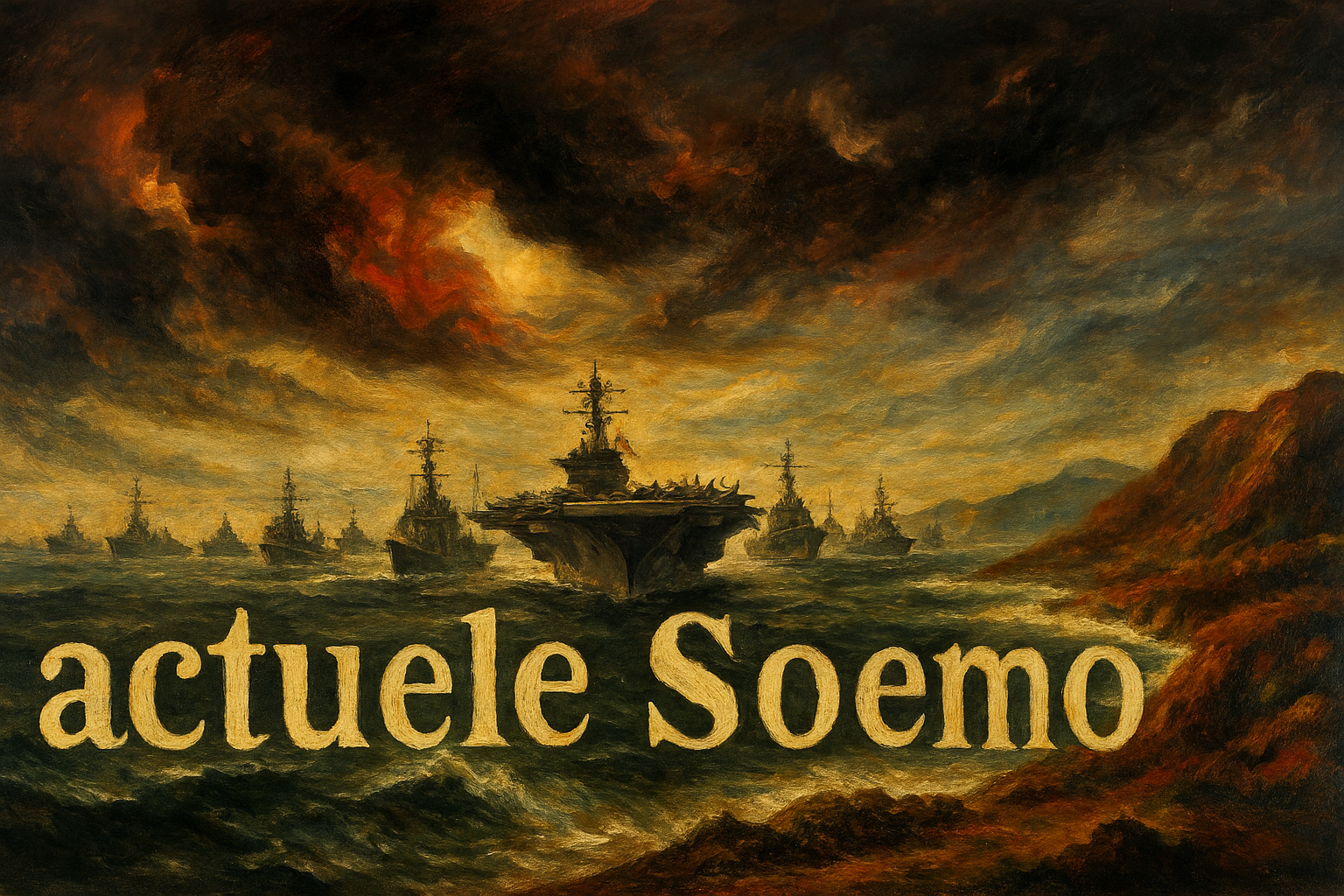

For those watching from abroad, this shift is worth noting. Rotterdam isn’t just following global trends; it’s shaping them in its own way. The city’s creatives are proving that art doesn’t have to be expensive or exclusive. It can be immediate, shared, and deeply personal. And in a world where stress and lessons often arrive hand in hand, that immediacy matters.
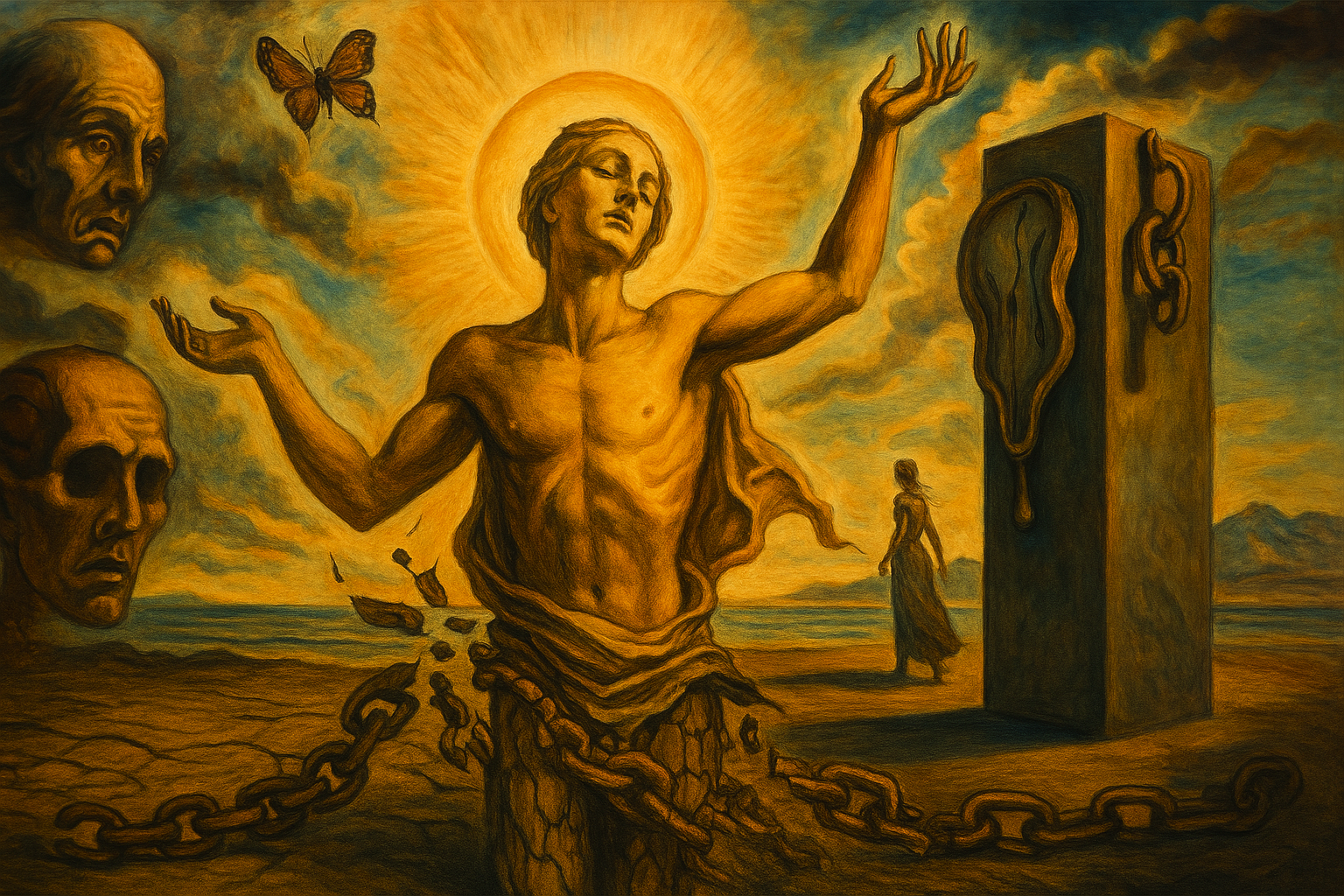
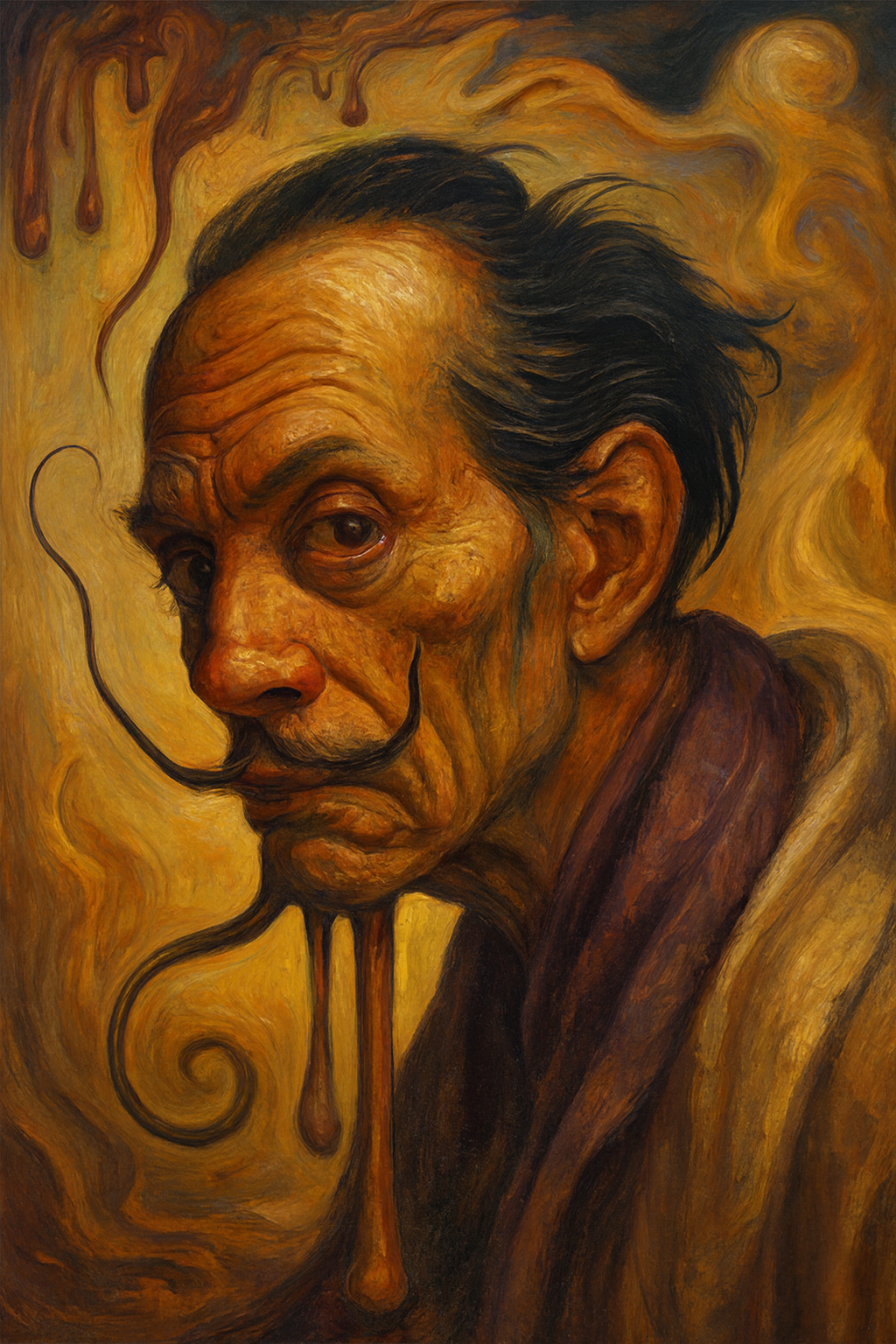
So when you see a Rotterdam artist posting surreal AI collages, or a photographer swapping the darkroom for an iPhone, understand it as part of a bigger story. It’s not nostalgia versus progress—it’s survival, adaptation, and expression. Rotterdam has always been a city of makers. The tools may have changed, but the drive remains the same.

 Dutch Echo
Leave a comment