

The name Pim Fortuyn still evokes strong emotions in the Netherlands. His political career, which ended abruptly on May 6, 2002, with his assassination, was a catalyst for change and division. Fortuyn’s ideas about immigration, integration, and the identity of the Netherlands struck a chord with many people. This article delves into the context of that time, the discontent that prevailed in society, and how Fortuyn managed to channel it. We examine his rise, his controversial viewpoints, the reactions to his assassination, and the lasting impact on Dutch politics.
The Years of Discontent: A Breeding Ground for Change
The years leading up to the rise of Pim Fortuyn were marked by growing discontent in the Netherlands. Several factors contributed to a sense of unease among a large part of the population. This discontent formed the breeding ground for Fortuyn’s political success.
Advertisements
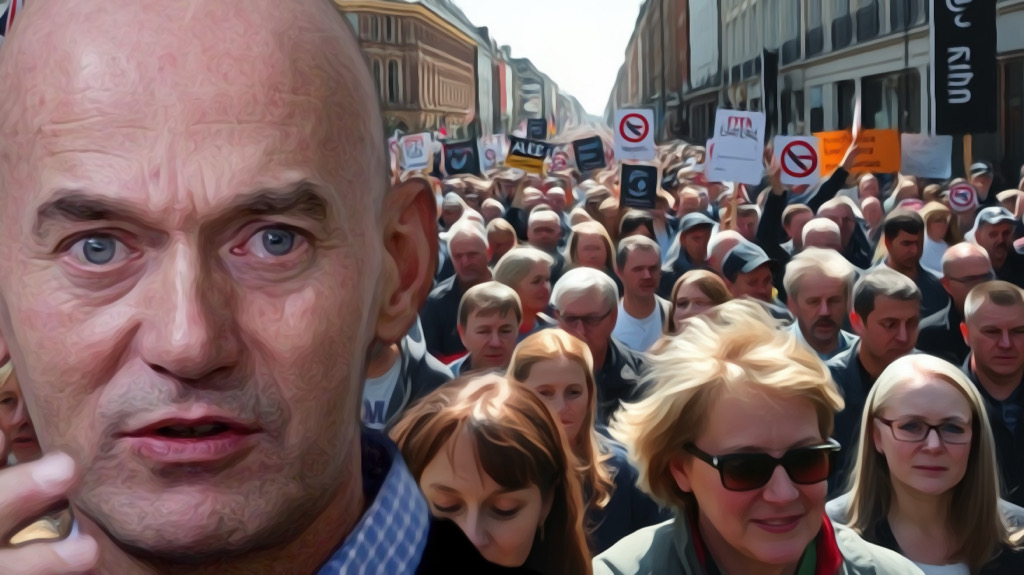
- Immigration and Integration: The influx of immigrants, particularly from non-Western countries, led to concerns about integration. Many Dutch people felt that the government was not doing enough to promote integration. There were questions about adaptation to Dutch culture and the impact on social cohesion. The discussion was often colored by fear of the loss of Dutch identity.
- The Welfare State Under Pressure: The welfare state, a foundation of Dutch society, was under pressure. The aging of the population, the costs of immigration, and globalization led to concerns about the affordability of social services. People feared that the quality of healthcare, education, and social security would decline.
- Distrust in Politics: There was a growing distrust of the established political parties. Many citizens felt unheard by the traditional political elite. There was a sense that politicians were too far removed from the population and were pursuing their own interests. Political decision-making was often perceived as distant and elitist.
- Identity and Culture: The discussion about Dutch identity and culture received increasing attention. People wondered what it meant to be Dutch and how Dutch culture could be protected in an increasingly diverse society. There was a feeling that traditional values and norms were under pressure.
Pim Fortuyn: The Man Who Articulated the Discontent
Pim Fortuyn, born on February 19, 1948, was a sociologist, publicist, and political activist. He knew how to articulate and channel the discontent in society like no other. His direct style, his controversial statements, and his criticism of the established politics attracted a lot of attention.
- The Publicist: Fortuyn was a successful publicist. His books and columns were widely read and discussed. He wrote about topics such as the multicultural society, Islam, and the future of the Netherlands.
- The Politician: In 2002, Fortuyn founded the Lijst Pim Fortuyn (LPF). The party was a success and won 26 seats in the House of Representatives in the general election that year, a huge achievement.
Fortuyn’s Controversial Viewpoints
Fortuyn had a number of controversial viewpoints that sparked much discussion:
- Immigration: Fortuyn favored a stricter immigration policy. He believed that the borders should be open to economic migrants, but that the immigration of asylum seekers should be limited. He advocated for a quota policy and for active integration of immigrants.
- Integration: Fortuyn believed that immigrants should adapt to Dutch culture and values. He was critical of Islam and believed that Islamic culture was not compatible with Western values.
- Security: Fortuyn was concerned about security in the Netherlands. He wanted more police on the streets and stricter penalties for criminals.
- Political Renewal: Fortuyn was a proponent of political renewal. He wanted to reduce the power of the established political parties and give citizens more influence.
The Assassination and the Aftermath
On May 6, 2002, just days before the elections, Pim Fortuyn was assassinated by Volkert van der Graaf. The assassination caused a huge shockwave in the Netherlands.
- Shock and Grief: The assassination led to a feeling of shock, grief, and disbelief. Many people were shocked that a politician could be killed in this way.
- Political Mobilization: The assassination led to political mobilization. Many people felt the need to speak out about Fortuyn’s ideas and the future of the Netherlands.
- Elections: Despite the assassination, the LPF achieved great success in the elections. The party won 26 seats, but internal tensions and the absence of Fortuyn led to a rapid fall.
- Debate on Freedom of Speech: The assassination of Fortuyn led to a debate on freedom of speech. There was discussion about the limits of freedom of speech and the responsibility of politicians and the media.
The Legacy of Pim Fortuyn
The legacy of Pim Fortuyn is complex and controversial. His ideas have changed Dutch politics.
- Influence on the Political Debate: Fortuyn has put the themes of immigration, integration, and identity on the political agenda. These themes are still relevant and largely determine the political debate.
- Rise of New Parties: The rise of Fortuyn has paved the way for new political parties, such as the PVV and Forum for Democracy. These parties have taken over the criticism of immigration and Islamic culture.
- Change of the Political Landscape: Fortuyn has changed the political landscape in the Netherlands. The traditional parties have had to adapt to the new political reality.
- Polarization: Fortuyn’s ideas have contributed to the polarization in Dutch society. The discussion about immigration, integration, and identity is often fierce and emotional.
Conclusion
Pim Fortuyn was a controversial figure who changed Dutch politics. His rise was the result of the discontent in society about immigration, integration, the welfare state, the political elite, and the identity of the Netherlands. His assassination led to a shockwave, but his ideas remain relevant to this day. The legacy of Pim Fortuyn is complex and controversial, but his influence on Dutch politics is undeniable. The discussion about his ideas and the impact of his political career is still ongoing and will likely continue for a long time.
 Dutch Echo
Leave a comment