
The Middle East is once again in the spotlight, with tensions between Israel and Iran, and the involvement of other countries, reaching a concerning level. This article explains the key events and reactions from different nations in a way that’s easy for everyone to understand.
What’s Been Happening?
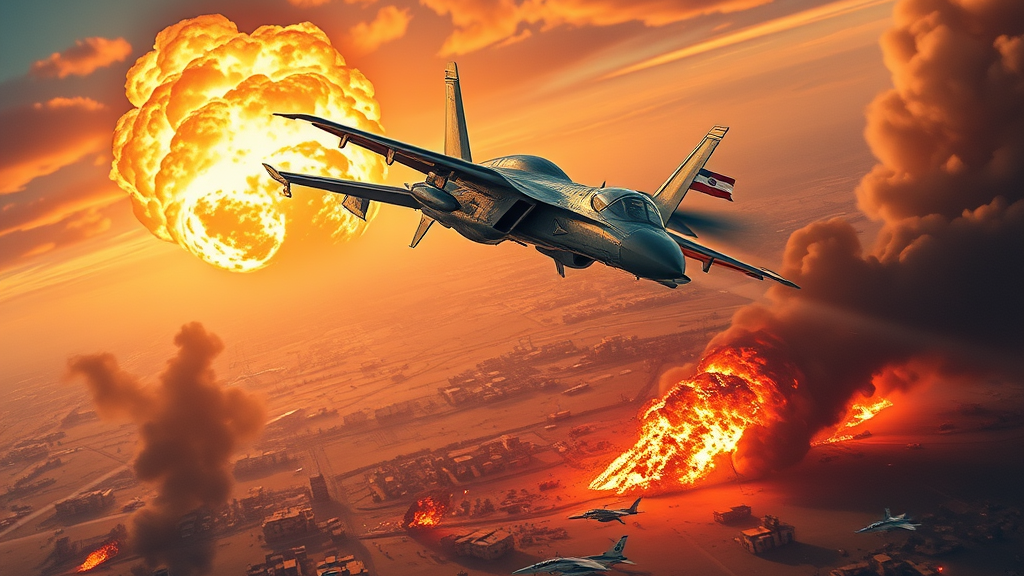
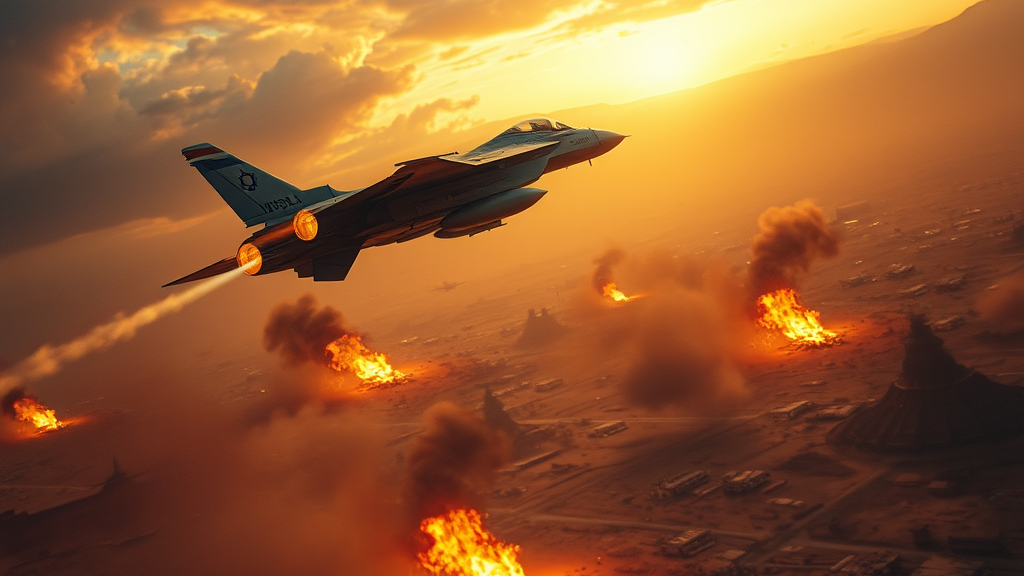
Over the past few weeks, Israel has carried out several air strikes targeting locations in Iran and Syria. These strikes have focused on military installations and militant groups that are supported by Iran. The Israeli government has stated that these actions are necessary to protect their country’s security. They view Iran and its allies as a direct threat.
Casualties: Deaths and Injuries
These attacks have resulted in significant casualties on both sides. So far, at least 70 people have died in Iran, mainly military personnel and members of militant groups. In Syria, there have also been reports of at least 14 deaths, with victims often linked to Hezbollah or other pro-Iranian groups. On the Israeli side, there have been no reported deaths so far, but the situation remains very dynamic.
Reactions from Allies
Israel’s allies, such as the United States and European countries, have given mixed reactions. While they recognize Israel’s right to defend itself, they also express concern about the humanitarian consequences of the attacks. They are urging Israel to be cautious and to consider the impact of its actions on regional stability.
On the other hand, Iran’s allies, such as the Houthi rebels in Yemen and Hezbollah, have expressed their support for Iran. Ayatollah Khamenei, the Supreme Leader of Iran, has warned that Israel can expect a “severe punishment” for its attacks. This indicates that Iran is determined to respond to the Israeli actions.
The Role of Russia and China
Russia and China are also important players in this situation. Russia has strong ties with Iran and supports the country in various conflicts. China maintains good economic relations with Iran and has expressed its concern about the escalation of violence. Both countries have called for dialogue and peaceful solutions to the conflict.
Humanitarian Consequences
The ongoing attacks have serious humanitarian consequences for the people in the affected areas. Many people have been forced to leave their homes and live in fear of further attacks. Humanitarian organizations have warned that the situation could quickly worsen if the violence does not stop.
What Happens Next?
The situation in the Middle East remains very unpredictable. The reactions of the countries involved could evolve further in the coming days and weeks. It’s important to keep a close eye on developments, as the consequences of these conflicts can affect not only the countries involved but also the wider region and the world.
Key Players and Groups: A Quick Guide
- Israel: A country in the Middle East, often in conflict with its neighbors.
- Iran: A country in the Middle East, considered a major regional power.
- Syria: A country in the Middle East, often involved in conflicts.
- Hezbollah: A Lebanese political and militant group supported by Iran.
- Houthi Rebels: A group in Yemen supported by Iran.
- United States: A major ally of Israel.
- Russia: A country with close ties to Iran.
- China: A country with economic interests in the region.
Simple Explanations of Key Terms
- Air Strikes: Attacks carried out by airplanes.
- Militant Groups: Groups that use violence to achieve their goals.
- Allies: Countries or groups that support each other.
- Humanitarian Consequences: The impact of a conflict on people’s lives, such as injuries, deaths, and displacement.
- Escalation: An increase in the intensity or seriousness of a conflict.
- Regional Stability: The overall peace and security in a specific area.
- Dialogue: Discussions between different parties to try to find a solution.
Advertisement

The Bigger Picture
This conflict is part of a long history of tensions in the Middle East. There are many factors at play, including religious differences, political rivalries, and competition for resources. Understanding these factors can help us better understand the current situation.
What Can You Do?
- Stay Informed: Keep up-to-date with the latest news from reliable sources.
- Be Critical: Consider different perspectives and be wary of misinformation.
- Support Humanitarian Efforts: If you can, consider donating to organizations that are helping people affected by the conflict.
- Promote Peace: Share information that encourages understanding and empathy.
Conclusion
The tensions in the Middle East are a complex issue that requires a lot of attention. The recent attacks by Israel on Iran and Syria have led to significant casualties and increased concern among the international community. It is crucial for countries to work together to find a peaceful solution and improve the humanitarian situation. Let’s hope that the violence ends soon and that there is room for dialogue and understanding.


 Dutch Echo
Leave a comment