
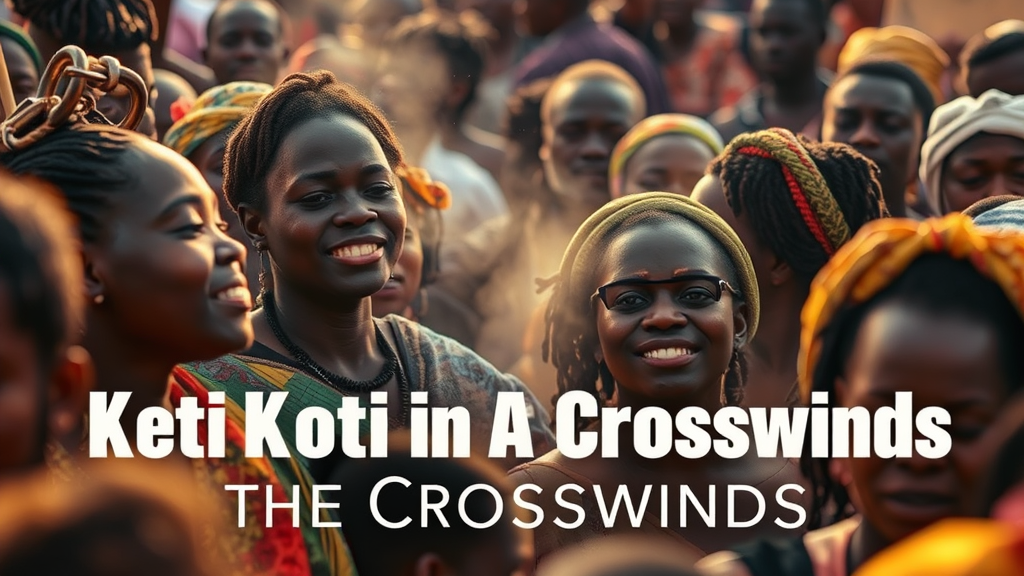
Identity, Activism and Public Emotion in the Netherlands
📸 “Each July 1st, the camera rolls. But lately, the expressions have changed.”
— Mr. Soemo
🌱 Introduction: A Memory That Moves
Since 2012, Mr. Soemo has quietly filmed the annual Keti Koti commemorations in the Netherlands. What began as joyful snapshots of remembrance, reflection, and community spirit has, in recent years, transformed into a more complex tableau—one that includes discomfort, polarization, and political critique.
The evolving dynamics around Keti Koti reflect broader societal currents: identity politics, historical reckoning, and government involvement. This essay traces how those forces collide—and what that collision reveals about Dutch society today.
Advertisements
🎬 From Commemoration to Contention
Keti Koti (“the broken chains”) marks the 1863 abolition of slavery in Suriname and the Dutch Caribbean. Once primarily observed within Afro-Surinamese circles, the event has grown into a national occasion—featuring cultural festivals, educational programs, speeches by ministers, and wide public attendance.
And yet, a shift is felt. While empathy once defined the public response, recent years have seen rising criticism from segments of white Dutch audiences. Common refrains include:
“Why must we feel guilty for the past?”
“Is this just political performance?”
“Does this still bring people together?”
These questions stem from unease—prompted by more vocal activism, deeper historical explorations, and rising calls for reparations.
📢 Pull Quote
“Public discomfort doesn’t always mean rejection—it can also mean awakening.”
— Dutch Echo contributor
🔍 Identity Politics: A Mirror or a Divide?
To critics, identity politics surrounding Keti Koti feels divisive—too focused on group identity, not national unity. Yet to participants, it’s about visibility, dignity, and justice.
From a philosophical standpoint, some interpret this through Hegel’s dialectic: a clash of thesis and antithesis producing societal synthesis. Identity activism may provoke tension—but also pave the way for new understanding.
Historically, Dutch verzuiling (pillarization) separated communities along ideological lines. Today’s identity movements echo similar structures—but from the bottom up. In this view:
| Then | Now |
|---|---|
| Catholic/Protestant/Socialist pillars | Ethnic/racial/cultural group movements |
| Top-down institutional structures | Grassroots, bottom-up advocacy |
| Social cohesion via separation | Social justice via visibility |

Yet the goals differ: verzuiling sought order; identity politics seeks equity.
🏛️ Institutionalization: State Meets Memory
Recent government involvement has formalized Keti Koti:
- Official apologies from King Willem-Alexander and ministers
- Educational reforms introducing slavery history in schools
- Financial support for grassroots events and research projects
- Public ceremonies attended by national leaders
This “institutionalization” brings recognition and resources—but also scrutiny.
Critics warn:
“When the state funds memory, it risks shaping it.”
Supporters argue:
“Without state support, collective healing is incomplete.”
Both views highlight the delicate dance between government and grassroots emotion.
💬 Pull Quote
“Institutionalization makes history visible—but it must not make activism silent.”
— Community organizer
🤔 Public Emotion and Media Framing
The tone of Keti Koti coverage has grown sharper, especially in media discussions. Activists demanding reparations are labeled “woke,” while discomfort among white citizens is either mocked or amplified.
This media environment influences perception: instead of fostering dialogue, it often polarizes. Yet the reality on the ground—captured in Mr. Soemo’s tapes—is richer:
- Children singing in Sranantongo
- Elders lighting candles for ancestors
- Passersby pausing with curiosity and respect
- Moments of joy, tension, reflection
The event is neither protest nor parade—it is a living ritual.
💡 Pull Quote
“Keti Koti is not about guilt—it’s about responsibility, remembrance, and renewal.”
— Historian and educator
🎯 The Role of the State: Ugly or Honest?
Is state involvement in Keti Koti a cynical move? A branding exercise? Or a genuine attempt at healing?
The answer, perhaps, is all of the above. A democracy must acknowledge its history—not just celebrate its triumphs. That will never be tidy. Emotions will run high. Voices will clash.
But a government that chooses silence over discomfort risks stagnation. It is not ugly to face pain—it is honest.
🪞 Conclusion: A Mirror, Not a Monument
Keti Koti reflects more than the past—it reveals the present. The faces in Mr. Soemo’s footage are not passive artifacts; they are active witnesses. They smile, cry, flinch, resist.
In these moments, history becomes felt. And if that history makes people uncomfortable, it is doing something vital: awakening memory from sleep.
To commemorate is to confront. To confront is to connect. And to connect is to hope—for chains, once broken, not to return.

 Dutch Echo
Leave a comment