
In recent days, the atmosphere in Turkey has become increasingly tense. Thousands of citizens have taken to the streets to protest the arrest of a popular mayor, raising serious concerns about democracy, human rights, and the country’s political future. This article aims to summarize the ongoing situation and explore the various facets of the unrest.
What’s Happening?
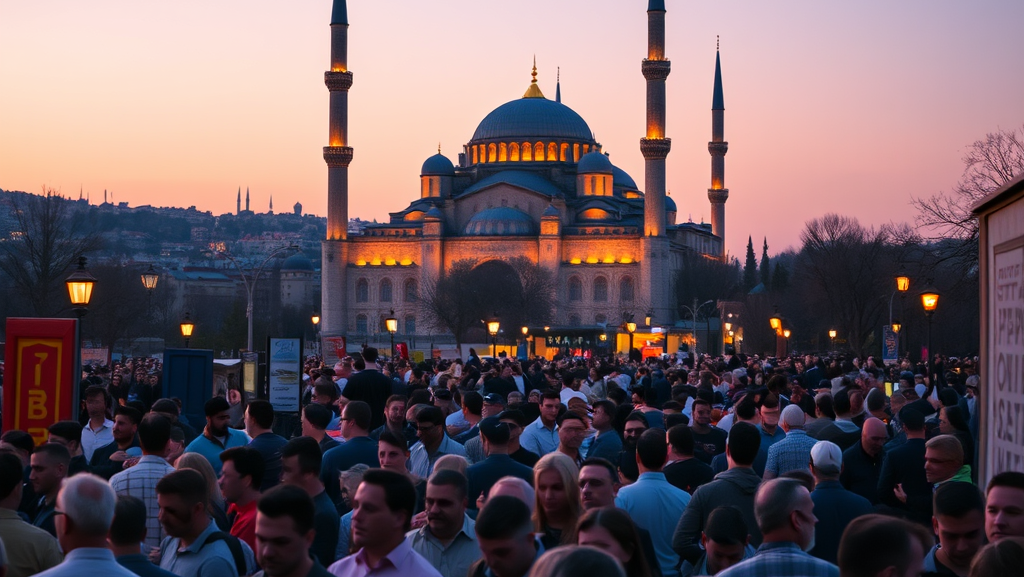
The unrest began on March 19, 2025, when Istanbul’s mayor, Ekrem İmamoğlu, was arrested. He faces accusations of corruption and alleged involvement in a terrorist organization. His arrest sparked mass protests in Istanbul and other major cities across Turkey. Protesters are furious about what many perceive as a political move by President Recep Tayyip Erdoğan to eliminate a significant opponent. İmamoğlu has become a prominent figure within the opposition and continues to gain popularity among citizens.
The Role of Ekrem İmamoğlu
Ekrem İmamoğlu, born on June 4, 1970, has emerged as an important player in Turkish politics over the last few years. A member of the Republican People’s Party (CHP), he won the 2019 elections to become the mayor of Istanbul, receiving considerable support from young people and urban voters. İmamoğlu is recognized for his commitment to democracy, transparency, and social equality. He has pledged to tackle government corruption and ensure that all Istanbul residents have equal opportunities.
However, İmamoğlu’s arrest on corruption charges appears to be primarily aimed at suppressing opposition. The Public Prosecutor’s Office has requested his detention pending trial, further enraging his supporters. His arrest has led to a wave of protests, with thousands of people taking to the streets to express their support for him and demand that authorities respect the rights of peaceful demonstrators.
What’s Happening During the Protests?
Since İmamoğlu’s arrest, more than 1,400 people have been arrested during the protests. Turkish authorities accuse these individuals of participating in illegal demonstrations, disturbing public order, and, in some cases, even violence against police officers. This response raises serious questions about how the government is handling the protests. Critics point out that the government is using these tactics to stifle peaceful demonstrations and silence political opponents.
The frustrations regarding Erdoğan’s repressive policies are not new. The Turkish government has previously limited press freedom, prosecuted political opponents, and pressured the judiciary. These actions have led to a decline in democratic norms and values in the country. Young people, who often represent the nation’s future, feel an increasing sense of frustration and a wasted opportunity in the current situation.
International Response
İmamoğlu’s arrest and the subsequent protests have drawn international attention. The European Union has spoken out about the situation, urging Turkish authorities to respect the rights of peaceful protesters. Foreign Minister Kaja Kallas has asked the Turkish government to account for the arrests and treatment of demonstrators. However, this international pressure can also be interpreted as a challenge to Turkey’s independence on geopolitical issues.
Advertisements
Historically, Turkey has often found itself in the international spotlight, particularly concerning human rights issues and democratic standards. The country has faced criticism from other nations and organizations for its actions against political opponents and its handling of demonstrators. Recent events could further influence the relationship between Turkey and the EU, with significant implications for both parties.
The Future of Turkey
The situation in Turkey is highly dynamic and can change rapidly. Protests are still ongoing, and there are concerns that they may spread to other cities. Many citizens are frustrated by the limited space for political diversity and the suppression of their voices. Young people, who make up a substantial portion of the demonstrators, desire change and a future in which they are not oppressed.
İmamoğlu’s detention is more than just a law enforcement action; it represents a confrontation between various political forces in the country. While Erdoğan seeks to maintain his power, others are striving for change. This power struggle will likely persist in the coming years, with doubts surrounding Turkey’s democratic future continuing to loom large.
Conclusion
The tensions in Turkey are emblematic of a broader problem that democratic societies face today. The voices of citizens are increasingly being suppressed, raising the question of how they will break this silence. The recent arrests of demonstrators and political opponents are symptomatic of a system characterized by control and repression.
The younger generation in Turkey does not seem to take it for granted anymore that they can voice their opinions. The rise of Ekrem İmamoğlu and the support he garners reflect a growing dissatisfaction among the population regarding the current political climate. It is now up to the people of Turkey to decide which direction they wish to take and whether they are willing to fight for a future in which democracy and human rights are at the forefront.
The upcoming months will be crucial for Turkey as it navigates these challenging social and political waters. The perseverance and unity shown by the protestors may pave the way for significant change, not only for their community but potentially for the entire nation. As history has shown, the voices of the young can often drive powerful movements toward a better tomorrow, and in Turkey, this movement may be on the brink of something significant.
 Dutch Echo
Leave a comment