
In the heart of the Dutch city of Helmond, a government initiative to shelter 50 unaccompanied minor asylum seekers has become the flashpoint of a larger national controversy — one that cuts across politics, public sentiment, and fundamental questions about identity and humanitarian responsibility.
What began as a policy under the Netherlands’ national “Dispersal Act” has evolved into a heated local and national discourse. The arrival of these children — mostly aged between 15 and 17, and fleeing countries such as Syria, Afghanistan, and Eritrea — has drawn supporters calling for compassion and opponents rallying under the banner of civic protection and skepticism toward immigration policy.
Humanitarian Duty Meets Local Resistance
Under the Dispersal Act, municipalities are required to contribute to evenly distributing the accommodation of asylum seekers across the Netherlands. Helmond, as part of the Southeast Brabant Regional Plan, agreed to host 100 unaccompanied minors, divided across two housing sites — one on Torenstraat and another on Smalstraat.
The minors are placed under the guardianship of Stichting Nidos, a foundation responsible for overseeing their welfare, education, and integration. The shelters are managed by the Central Agency for the Reception of Asylum Seekers (COA), with a strong focus on providing safety, structure, and psychological support to vulnerable youth.
However, the plans for expansion triggered a wave of disapproval from parts of the Helmond community. Concerns cited include safety, pressure on local services, lack of consultation, and references to past incidents involving youth from asylum centers.
Political Figures Lead the Opposition
Dutch far-right leader Geert Wilders (Party for Freedom, PVV) took center stage at a protest rally held near Helmond City Hall. Addressing hundreds of demonstrators, Wilders branded asylum centers “a threat to safety” and accused the government of ignoring citizens’ concerns.
“Each AZC is one too many,” he said to roaring approval. “You are the rightful owners of this town, not the mayor, not the state. We won’t let Helmond turn into an unsafe zone for families and children.”
Thierry Baudet, head of the Forum for Democracy (FvD), also attended the demonstration. Though his party opposes the Dispersal Act, he criticized Wilders for not doing enough to block the legislation in parliament, sparking intra-right political tension.
The rally featured extreme-right banners, nationalist slogans, and appearances by groups such as Voorpost and the Geuzenbond, both marked by Dutch authorities as radical. Law enforcement declared the area a safety risk zone and made several arrests related to weapons possession and violation of identity laws.
Counter Voices in Defense of Humanity
On the other side of the square — and the ideological divide — were peaceful counter-demonstrators representing groups like Platform Stop Racism and Fascism, progressive city residents, and youth advocates. Holding placards that read “Refugees Welcome” and “Protect Children, Not Borders,” they sought to reframe the debate around compassion and moral responsibility.
“There are 50 children in question here,” said a spokesperson for one youth advocacy group. “Not statistics. Not ideologies. They’ve fled war, survived perilous journeys, and come here seeking safety. This is about our values, not our fears.”
Municipal authorities supported this stance. Mayor Elly Blanksma confirmed that the current group of minors at Torenstraat have caused “no significant nuisance,” and emphasized that Helmond is fulfilling its legal and humanitarian duty by providing dignified care and shelter.
Who Are These Children?
The unaccompanied minors come from war-torn countries with histories of displacement and instability. Their journeys to the Netherlands span smuggling networks, dangerous sea crossings, and months of uncertainty. Many are traumatized, having experienced violence or family loss.
Upon arrival, they undergo initial intake through the Immigration and Naturalisation Service (IND) and are placed under child protection services. Their daily lives involve education (typically through international transition classes), structured activities, and access to psychological care.
Organizations like Nidos assign each child a guardian to support personal development and legal representation. Local nonprofits offer sports, music, and social mentorship programs to facilitate integration and build trust.
What the Dutch State Aims to Achieve
The national government hopes this policy achieves dual objectives:
- Protecting vulnerable youth under international treaties such as the UN Convention on the Rights of the Child and the Refugee Convention.
- Balancing population pressures across the country through responsible distribution of asylum reception — avoiding concentration in crisis centers like Ter Apel.
Moreover, Dutch policymakers emphasize that humane care does not preclude scrutiny. If a minor’s asylum request is rejected, structured and safe return is considered, always with a focus on the best interest of the child.
Journalism from a New Generation
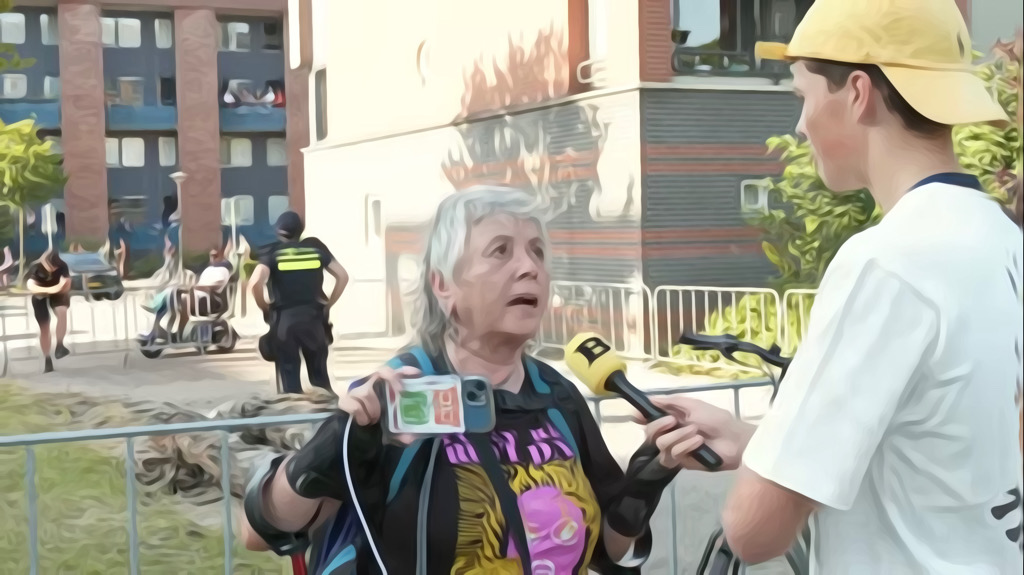
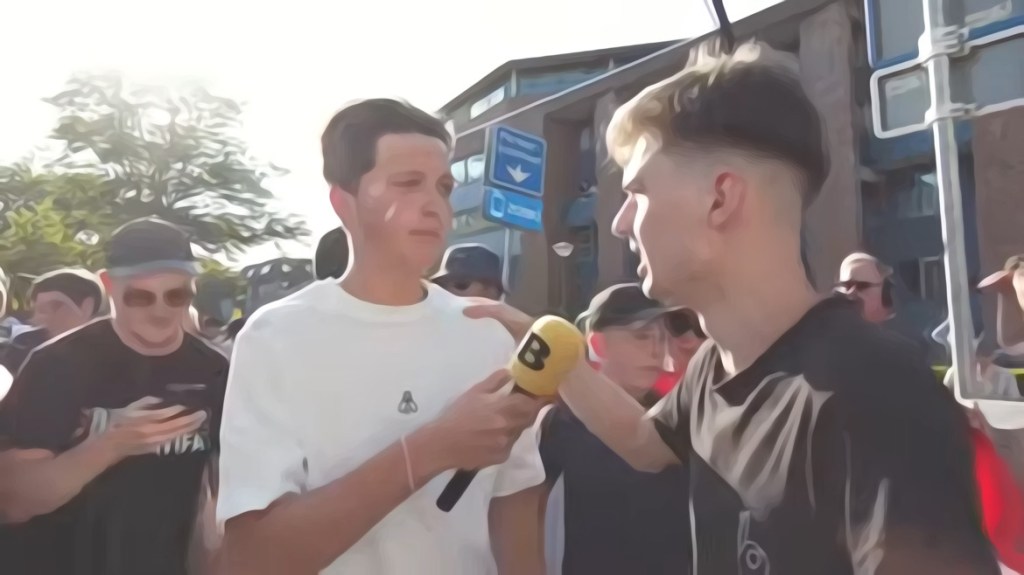
Among the most striking observers of the Helmond protest was Bender, a teenage journalist and YouTuber whose raw, rapid-fire videos have drawn thousands of views. Documenting both sides of the protest, Bender’s coverage is shaping how younger generations engage with civic conflict — merging political awareness with digital storytelling.
“Bender captures the pulse of the moment,” said one media critic. “It’s street journalism that dares to ask hard questions and stand in volatile spaces.”
His presence highlights another layer of the debate: young Dutch citizens confronting issues of immigration, justice, and freedom of speech in real time, with smartphones as their medium and peers as their audience.
Looking Ahead: Protest, Policy, and Compassion
Helmond’s moment is more than a local disagreement — it’s a reflection of the wider Dutch crossroads. Can a society fulfill its humanitarian obligations while facing pressures of housing shortages, identity politics, and public distrust?
For now, the minors at the Torenstraat shelter continue their daily routines — attending school, building friendships, and navigating the aftermath of survival. Their presence invites not only political debate, but also a deeper question: What kind of country does the Netherlands wish to be?
As the debate continues, one thing remains clear: the lives of 50 young asylum seekers are at the center of it all. They represent not just a policy challenge, but a human truth — that safety, dignity, and hope should not be privileges, but rights.
 Dutch Echo
Leave a comment