
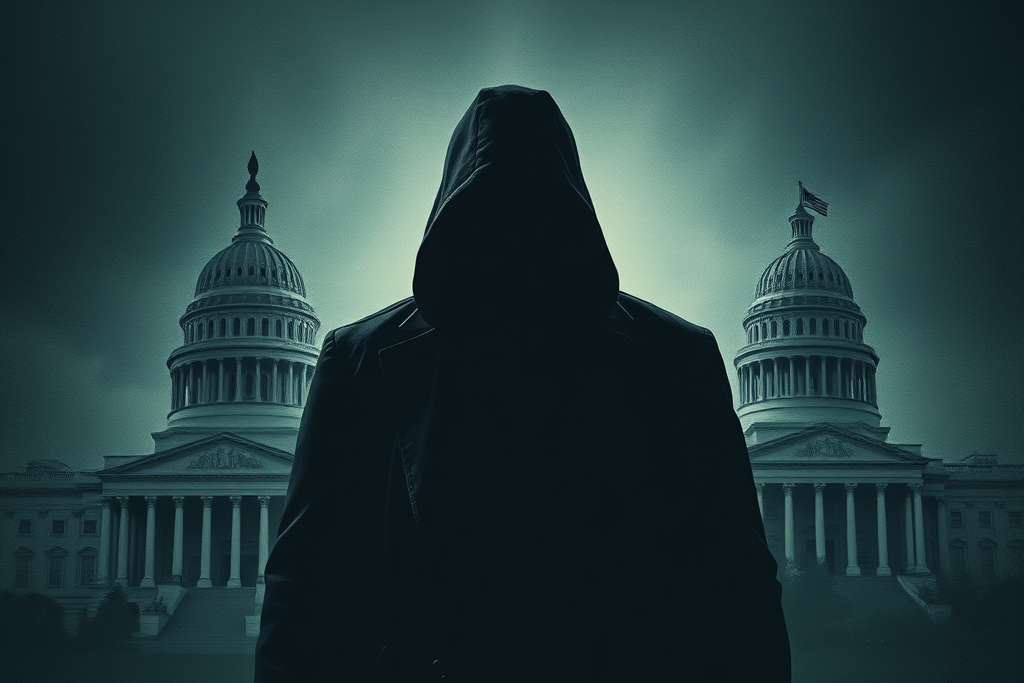
In recent years, the term “conspiracy theory” has undergone a dramatic transformation. Once used to dismiss fringe beliefs and internet speculation, it now serves as a warning label for ideas that may, in time, prove disturbingly accurate. From mass surveillance to media manipulation, a growing number of claims once ridiculed have been vindicated. At the center of this shift is the controversial concept of the “deep state.”
What Is the Deep State?
The “deep state” refers to an alleged network of unelected officials, intelligence operatives, judges, and media figures who operate behind the scenes to influence policy, suppress dissent, and protect entrenched power structures. While the term has long been associated with conspiracy circles, it has gained mainstream traction thanks to figures like Tulsi Gabbard and Donald Trump.
In a recent video on Redacted News, Gabbard claimed that prominent intelligence officials—including Adam Schiff and James Clapper—were instructed to lie about Russian interference in the 2016 U.S. election. According to her, the Russiagate narrative was not a mistake but a deliberate disinformation campaign orchestrated by elements within the deep state.
Advertisement

The video sparked intense reactions. Commenters accused judges of being Illuminati members, called for mass executions of political elites, and claimed the media was under “Mockingbird-style mind control.” While many of these claims remain unverified, the emotional intensity reflects a growing belief that the public has been systematically deceived.
When Conspiracy Becomes History
Skepticism toward official narratives is not new. History offers numerous examples of “conspiracies” that turned out to be real:
- COINTELPRO: The FBI’s covert program to infiltrate and sabotage civil rights groups was denied for years until documents confirmed its existence.
- MK-Ultra: The CIA’s experiments with LSD and psychological manipulation were once dismissed as fantasy. They weren’t.
- NSA Surveillance: Edward Snowden revealed that the U.S. government was conducting mass surveillance on its own citizens—despite repeated denials.
- Tuskegee Experiment: African American men were denied treatment for syphilis in a government-run study. The truth emerged only after decades of suffering.
- Operation Mockingbird: The CIA’s influence over journalists and media outlets was long considered a myth, but later investigations confirmed its scope.
These examples demonstrate that skepticism can be a vital safeguard against unchecked power.
A Dutch Example: The Child Benefits Scandal
In the Netherlands, the Toeslagenaffaire (Child Benefits Scandal) serves as a sobering reminder of how systemic abuse can masquerade as bureaucratic oversight. For years, thousands of families—many with immigrant backgrounds—were falsely accused of fraud by the Dutch Tax Authority. Their benefits were cut off, and they were forced into debt, poverty, and social isolation.
Initially, complaints were dismissed as isolated incidents. But investigative journalism and parliamentary inquiries revealed a pattern of institutional discrimination and administrative cruelty. The scandal led to the resignation of the Dutch cabinet and a national reckoning over racism, accountability, and the limits of state power.
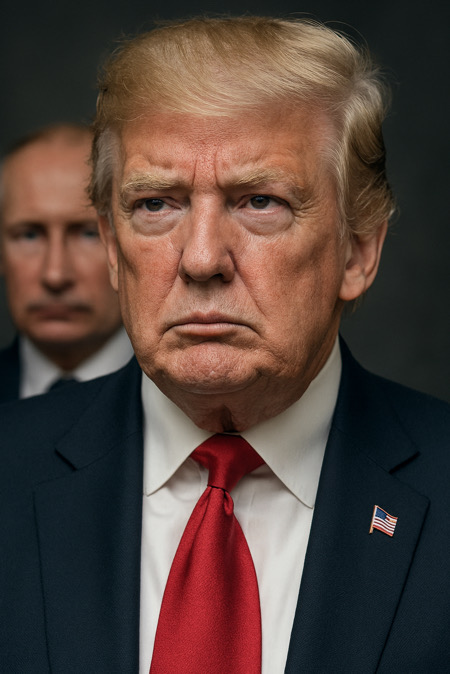
While not a “deep state” in the traditional sense, the affair exposed how entrenched systems can operate with impunity, shielded by layers of bureaucracy and political inertia.
Trump’s War on the Deep State
Donald Trump has made the deep state a central theme of his political identity. From Truth Social posts to campaign rallies, he has vowed to “destroy” the deep state and purge disloyal bureaucrats. His executive order “Schedule F” aimed to make it easier to fire career civil servants and replace them with loyalists.
Critics argue that this undermines the neutrality of the civil service and politicizes governance. Supporters see it as a necessary step to reclaim power from unelected elites.
The Consequences of Deep State Rhetoric
The widespread use of deep state rhetoric has profound implications:
- Erosion of Trust: Citizens become skeptical of institutions, making governance more difficult and polarization more intense.
- Legal Instability: Lawyers and journalists fear prosecution for defending unpopular clients or reporting on sensitive topics.
- Media Fragmentation: As mainstream outlets lose credibility, alternative platforms gain influence—often without the same editorial standards.
- Democratic Decay: When rights like free speech and legal defense become conditional, democracy itself is at risk.
When Does a Theory Deserve Serious Attention?
A conspiracy theory begins to warrant serious consideration when:
- Whistleblowers emerge with credible evidence.
- Journalistic investigations corroborate claims.
- Political figures acknowledge or act upon the allegations.
The deep state may not be a single, coordinated entity. But the accumulation of opaque decisions, selective enforcement, and institutional silence creates a system that behaves as if it were.
Conclusion: Vigilance Over Blindness
Not every conspiracy theory is true. But not every official denial is trustworthy either. The challenge is to remain vigilant—questioning power without succumbing to paranoia. As history shows, truth often hides in the margins before it reaches the mainstream.
Whether in Washington or The Hague, the real test of a democracy is how it treats its most inconvenient voices. If the deep state exists, it thrives in silence. Breaking that silence begins with asking uncomfortable questions—and refusing to accept easy answers.


 Dutch Echo
Leave a comment