
In the Netherlands, a legal case involving Karim Aachboun and former Prime Minister Mark Rutte has been making headlines recently. This case not only has legal implications, but it also touches on significant societal issues that resonate with both young people and adults alike. Let’s delve into the key points of this complex situation.
What Is Happening?
The saga began with Aachboun filing a lawsuit against Rutte, who served as the Prime Minister of the Netherlands until recently. Aachboun claims that Rutte played a pivotal role in the childcare benefits scandal known as the toeslagenaffaire, which has reportedly hurt thousands of families across the country. The crux of the allegation is that these families were unjustly harmed by the government’s actions, leading to severe consequences for their lives.
Aachboun feels that Rutte should be held accountable for the damage caused, and this lawsuit is not just a legal battle; it seeks to spotlight the political responsibility of leaders in the Netherlands. The implications of this case could reverberate throughout the political landscape, particularly in how leaders are held accountable for their policies.
Advertisements
Legal Breakthrough
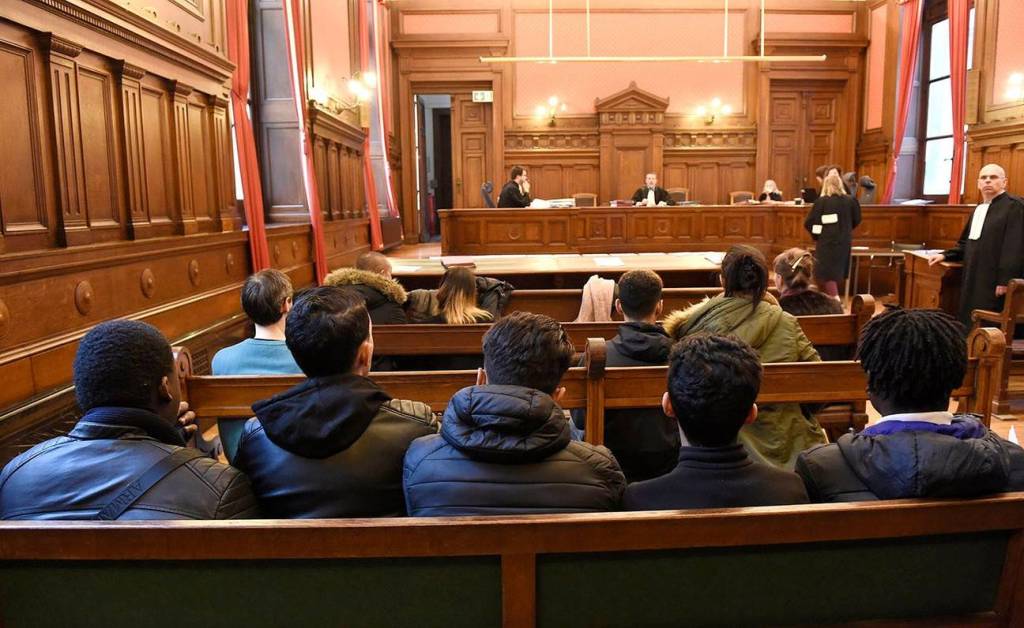
Recently, Aachboun achieved a significant legal victory in the Court of Cassation in Brussels. This means his case against Rutte is stronger than ever. This victory allows him not only to focus on his lawsuit against Rutte but also opens the door to potentially suing the NATO alliance, complicating matters further.
Aachboun has accused NATO of exerting influence over the judicial system in the Netherlands, a claim he sees as a serious threat to judicial independence. In simpler terms, he believes that external organizations like NATO should not interfere in a country’s legal processes. This concern is particularly relevant now, as younger generations increasingly question power and accountability in governance.
The Role of the Media
The media has played a crucial role in disseminating information about the case. Many young people are keeping up with the developments via social media and news outlets, which has fueled public interest. Journalists have the responsibility to report the facts accurately, but they also shape how the public perceives the individuals involved.
It’s clear that the media does not simply report the facts; they also gather expert opinions and public sentiment. There’s a lot of discussion surrounding NATO’s ethics and its role in the Dutch legal system. Young people often form their opinions based on what they hear through social media and news platforms, making the manner in which this information is presented even more vital.
Public Reactions
The case has sparked various reactions from both legal experts and the public. Many people express concern about the implications of this legal fight for the parties involved and for the broader implications for the judiciary in the Netherlands. Critical questions arise, such as: “How far does the responsibility of a political leader extend?” and “Should international organizations influence a country’s judiciary?”
Teens aged fourteen and older are included in this discussion. These questions are often debated in schools and online communities, making the case relevant for young individuals interested in politics and justice.
Rutte’s Defense Lawyer
On the other side of this legal battlefield is Mark Rutte’s attorney, David Rutten. He finds himself in a challenging position. Not only must he defend Rutte against serious accusations, but he also has to protect his client’s public image. Media attention is intense, and every move he makes could impact both Rutte’s future and his own career.
Rutten’s job is to ensure that Rutte receives a fair trial. This involves not just focusing on legal aspects but also managing public perception. This is a tall order, especially in an age where information spreads rapidly and social media plays a significant role in shaping public opinion.
Childcare Benefits Scandal and Political Accountability
The toeslagenaffaire is at the heart of this lawsuit. Rutte was the Prime Minister when this scandal unfolded, and his sense of responsibility is now under scrutiny. It leads to critical questions: How can someone who once held the highest office in the land be held accountable for the repercussions of their decisions? These inquiries prompt young people to reflect on leadership and accountability.
The societal impact of the childcare benefits scandal has been enormous. Thousands of families have been affected, many still living in uncertainty. This leads to broader discussions about justice, especially among young people who are forward-thinking.
Complexity of the Legal Situation
What makes this case particularly intriguing is the complexity surrounding Rutte and the accusations involving NATO’s influence. This necessitates a careful and strategic approach from his lawyer. Politics is complicated enough, but when international organizations are involved, the situation becomes even murkier.
Through his lawsuit, Karim Aachboun aims to achieve more than just legal proceedings. He seeks to instigate a broader debate about the responsibilities of political leaders and the impact of their decisions on society. This is one of the reasons why this case is so significant; it goes beyond just Rutte and Aachboun; it concerns the future of politics and jurisprudence in the Netherlands.
Conclusion
In summary, the case between Karim Aachboun and Mark Rutte is a dynamic and complex struggle that deserves attention. The legal aspects, the role of NATO, the media’s influence, and public reactions all contribute to a topic that resonates with young people. This situation presents an opportunity for them to learn more about political accountability, justice, and the impact of power on society.
The lawsuit is still ongoing, and the outcomes will undoubtedly influence the future—not just for Rutte and Aachboun, but for the Netherlands as a whole. It is crucial for young people to stay informed and engaged in these important discussions, as the decisions made today will shape tomorrow’s future.


 Dutch Echo
Leave a comment