
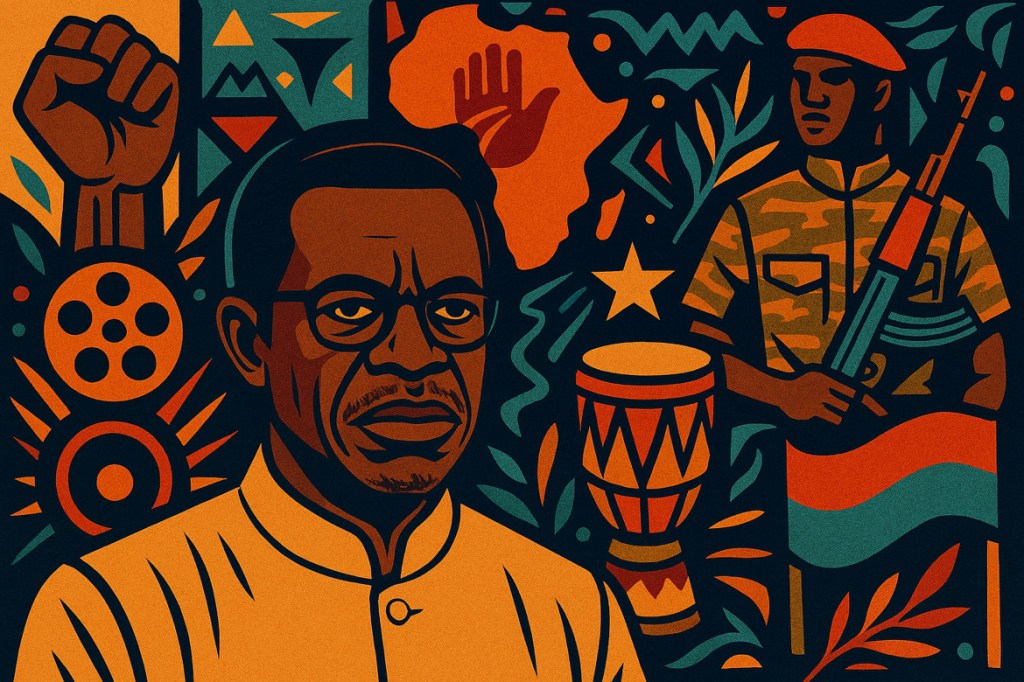
In a time when global headlines often overlook Africa’s internal struggles and triumphs, two voices have emerged as beacons of radical transformation: Professor Patrick Loch Otieno (PLO) Lumumba and Captain Ibrahim Traoré. Though they hail from different generations and backgrounds, their shared vision for a self-reliant, united, and ethically governed Africa is resonating across the continent—and far beyond.
Lumumba, a Kenyan jurist and Pan-African intellectual, has long been known for his electrifying speeches that dissect corruption, colonial legacies, and the moral decay of leadership. Traoré, the young president of Burkina Faso, has stunned the world with his bold rejection of foreign military influence and his call for African sovereignty. Together, they represent a growing ideological movement that challenges the status quo and dares to imagine an Africa led by integrity, unity, and cultural pride.
A Voice of Fire: Lumumba’s Moral Crusade
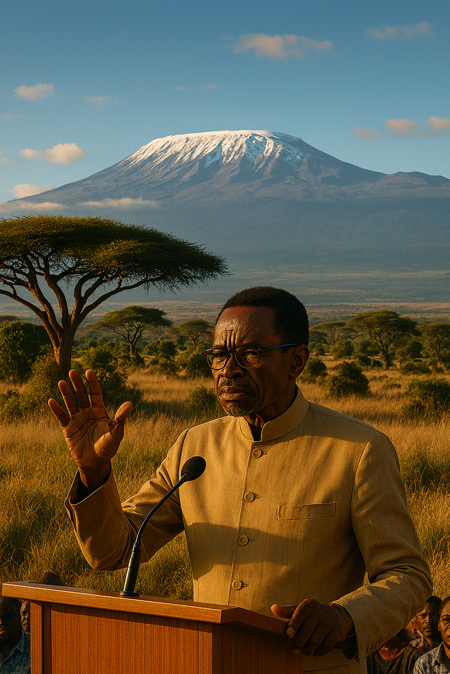
In his recent speech, Lumumba did not mince words. “The colonial project taught us to hate ourselves,” he declared, pointing to the psychological scars left by centuries of foreign domination. His critique goes beyond historical grievances; it targets the present-day mindset that continues to prioritize Western validation over African self-worth.
Advertisement
Lumumba’s central thesis is clear: Africa’s greatest challenge is not economic or political—it is psychological. He argues that mental slavery, sustained by foreign curricula, imported media, and institutional dependence, has crippled the continent’s ability to lead itself. “Why do we print our money, our ballots, our passports outside Africa?” he asked, exposing the paradox of political independence without operational sovereignty.
His call to action is rooted in cultural revival. He urges Africans to embrace their own film industries—Nollywood, Bongowood, Riverwood—and to elevate local music, sport, and literature. “If you abandon your culture, you become a slave,” he warned, emphasizing that true liberation begins with reclaiming identity.
Traoré’s Revolution: From Uniform to Unity
While Lumumba speaks from the podium, Traoré leads from the frontlines. At just 35 years old, he assumed power in Burkina Faso during a time of political instability and foreign entanglement. His swift move to expel French troops and assert national control over security operations sent shockwaves through diplomatic circles.
Traoré’s rhetoric mirrors Lumumba’s in its defiance and clarity. He speaks of an Africa that must no longer be dictated to, an Africa that must forge its own path. His speeches, often delivered in local languages, resonate deeply with youth and rural communities who have long felt excluded from elite politics.
What sets Traoré apart is his humility. Unlike many leaders who cling to power, he presents himself as a servant of the people. Lumumba praises this quality, noting that true leadership requires the ability to “decrease so that others may increase.” In Traoré, Lumumba sees a rare embodiment of ethical governance—one that prioritizes collective progress over personal gain.
Shared Ideals, Shared Struggles
Both men are united by their rejection of neocolonialism. They challenge the continued economic and cultural dominance of former colonial powers, and they call for Pan-African solidarity. Lumumba frequently invokes the legacy of Kwame Nkrumah, who once pleaded, “Let us unite now.” Traoré echoes this sentiment in his push for regional cooperation and African-led solutions to security and development.
Their influence is not confined to political circles. Lumumba’s speeches are widely circulated on social media, especially among African youth and diaspora communities. His TikTok account boasts over 700,000 followers, and his videos are used in classrooms, community forums, and activist trainings. Traoré, meanwhile, has become a symbol of hope for a new generation of Africans disillusioned by corruption and foreign interference.
The West Watches—and Reacts
In Europe, particularly in countries like the Netherlands, Lumumba’s message has found fertile ground. He has spoken at conferences in Rotterdam and The Hague, drawing audiences from academia, diaspora groups, and civil society. His critique of Western complicity in Africa’s underdevelopment has sparked both admiration and discomfort.
Traoré’s actions have prompted diplomatic recalibrations. France, long a dominant force in West Africa, has had to reassess its role in the region. Meanwhile, African nations are watching closely to see whether Traoré’s model of assertive sovereignty can be replicated—or whether it will be suppressed.
A Movement, Not Just Men
What Lumumba and Traoré represent is more than individual charisma. They are part of a broader awakening—a movement that seeks to redefine what it means to be African in the 21st century. It is a call to reject dependency, to embrace cultural pride, and to demand accountability from those in power.
Their message is not without risk. Speaking truth to power in Africa can be dangerous, and both men have faced criticism and resistance. Yet their courage continues to inspire. As Lumumba said, “Leadership is not about titles. It is about moral courage.”
Conclusion: Africa at a Crossroads
Africa stands at a crossroads. One path leads to continued dependence, fragmented identity, and compromised leadership. The other, illuminated by voices like Lumumba and Traoré, leads to unity, dignity, and self-determination.
The choice is not theirs alone—it belongs to every African, and to every global citizen who believes in justice, equity, and the power of truth. As their words echo across borders and generations, one thing becomes clear: Africa is not waiting to be saved. It is rising to lead.
By meneer Soemo
 Dutch Echo
Leave a comment