
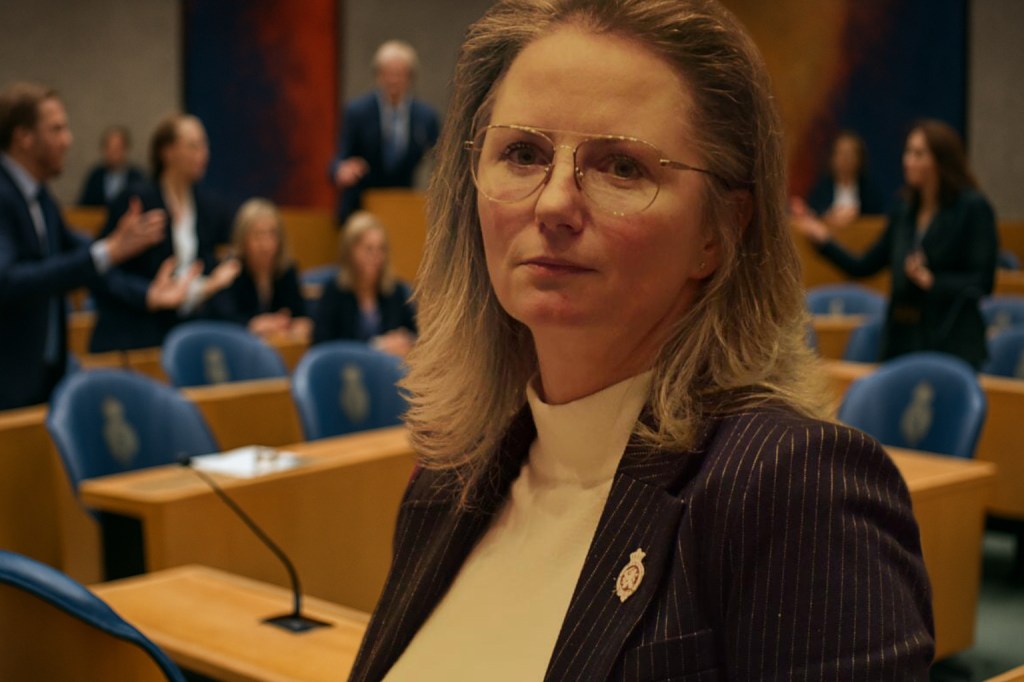
📍 Rotterdam — After nearly two decades in Dutch politics, Fleur Agema has officially stepped away from the spotlight. For many young adults in Rotterdam and beyond, her exit isn’t just another politician calling it quits — it’s a wake-up call about how little power ministers actually have in the system they’re supposed to lead.
🎤 From Fighter to Frustrated
Fleur Agema wasn’t your average backbencher. She was the PVV’s longest-serving MP, a fierce advocate for healthcare reform, and one of the few politicians who managed to stay relevant across multiple election cycles. Her signature issue? Slashing the “eigen risico” — the mandatory deductible in Dutch health insurance — and making care more accessible.
But when she finally became Minister of Health in 2024, things didn’t go as planned. Instead of abolishing the deductible, she announced it would be halved by 2027. Sounds good, right? Not quite. The move came with a massive premium hike of nearly €200 per year. The government promised to “compensate” that through tax adjustments, but many saw it as smoke and mirrors.
Advertisements
Agema’s supporters felt betrayed. Her critics called it a flip-flop. And Agema herself? She looked tired. In interviews, she admitted that the reality of governing was far more restrictive than she’d imagined.
🧱 Ministers vs. The Machine
Here’s the thing: most people think ministers run the show. They’re the ones on TV, making announcements, signing off on policies. But behind the scenes, it’s a different story.
Ministers in the Netherlands operate within a tight framework:
- They must follow coalition agreements negotiated behind closed doors.
- They rely on civil servants who often have their own agendas.
- They’re influenced by external bodies like the NCTV (National Coordinator for Counterterrorism and Security), which coordinates national resilience strategies.
- And they face constant pressure from media, lobbyists, and international obligations.
Agema hinted at this in a conversation with a young journalist from Ongehoord Nederland. When asked why she couldn’t deliver on her promises, she said she was “getting instructions from above” — referring to the NCTV. That raised eyebrows. Was she saying she wasn’t in control? That she was just a messenger?
Whether you believe her or not, the message was clear: being a minister doesn’t mean you get to do what you want.
💬 “You’re judged for what you can’t do”
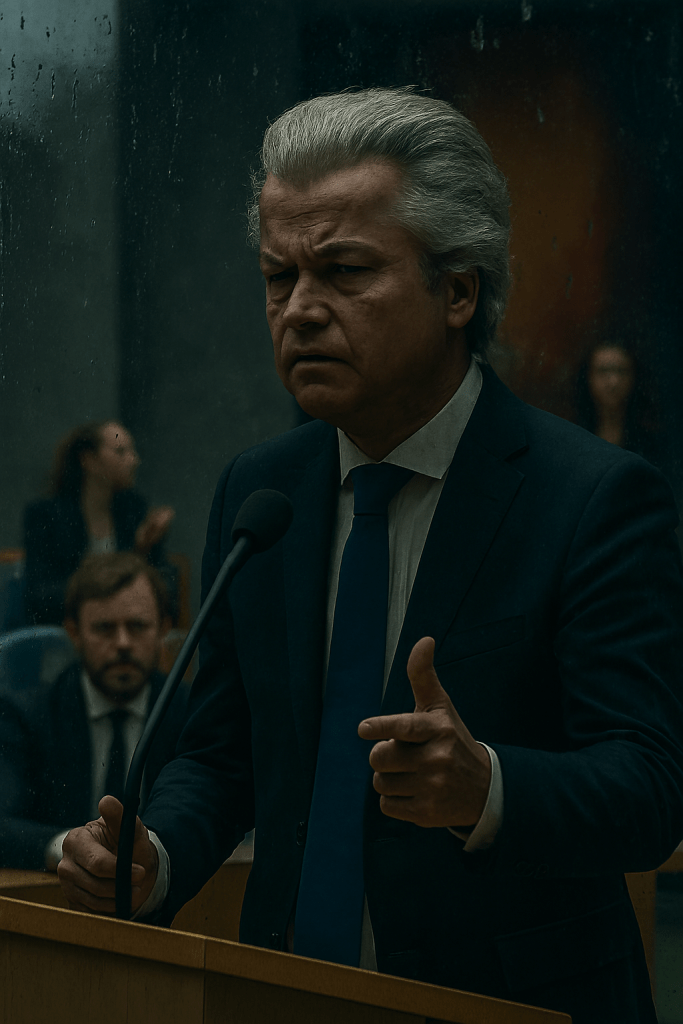
In Rotterdam, where politics is often met with a healthy dose of skepticism, Agema’s story resonates. Young people here know what it’s like to be promised change and then watch the system grind it down.
“You’re judged for what you can’t do,” one student told SoemoswijsNieuws. “She made promises, but the system didn’t let her keep them. And now people think she lied.”
That’s the harsh reality of modern politics. You campaign on ideals, but govern through compromise. And when those compromises disappoint, it’s your name on the line — not the system’s.
Agema’s departure feels like a quiet protest. Not against her party, but against a structure that makes real change nearly impossible.
🧓 A Veteran Bows Out
Let’s not forget: Fleur Agema was in politics for 22 years. She started in the Provincial Council of North Holland in 2003, joined the PVV in 2006, and served in the Tweede Kamer until 2024. She was one of Geert Wilders’ most loyal allies, often referred to as his “star player.”
Her focus was always healthcare. She spoke passionately about patients, nurses, and the human side of policy. Even her critics admitted she cared deeply. But caring isn’t enough when the system is built to resist change.
When she announced she wouldn’t run again, she said: “I’ve had my chance.” That’s not defeat — it’s recognition. She knew the game, played it for years, and finally decided to walk away.
🔍 What Does This Mean for You?
If you’re a young adult in Rotterdam, this story matters. It’s not just about one politician. It’s about understanding how power works — and doesn’t work — in the Netherlands.
Agema’s exit shows that:
- Ministers are often figureheads, not decision-makers.
- Promises made during campaigns are filtered through layers of bureaucracy.
- Real change requires more than passion — it needs structural reform.
- And sometimes, the most honest thing a politician can do is quit.
So next time you hear a campaign promise, ask yourself: can they actually deliver it? Or are they just selling hope in a system designed to disappoint?
📣 Final Thoughts
Fleur Agema’s departure is more than a headline. It’s a moment of reflection for Dutch politics. She spent nearly two decades fighting for change, only to realize that the system wasn’t built to let her win.
For young people in Rotterdam, her story is a reminder: politics isn’t just about personalities. It’s about structures, systems, and the invisible forces that shape what’s possible.
And maybe, just maybe, it’s time we stopped blaming individuals — and started questioning the machine.
 Dutch Echo
Leave a comment