
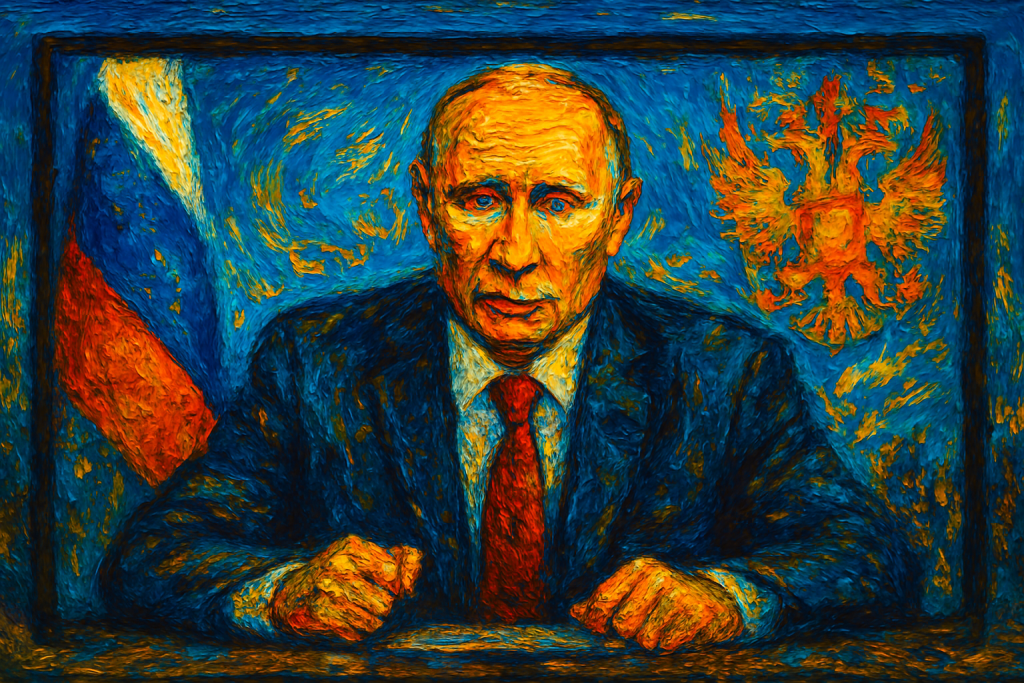
Rotterdam – It’s been nearly four years since Russia launched its full-scale invasion of Ukraine in February 2022. What started as a geopolitical shockwave has morphed into a grinding war of attrition — one that’s reshaping global alliances, testing Europe’s resilience, and quietly influencing life here in the Netherlands.
If you’re in your 20s or 30s, chances are you’ve seen the headlines, scrolled past the footage, maybe even joined a protest or donated to a cause. But what’s really happening now, in late 2025? And why should anyone in Rotterdam — or anywhere with ties to the Netherlands — still care?
Let’s break it down.
🔥 The Frontline Today: Russia Is Gaining Ground
After months of stalemate, Russia has recently made significant territorial gains in eastern Ukraine. The city of Pokrovsk, a key logistical hub in the Donetsk region, is now under heavy Russian pressure. Independent analysts estimate that Russia has captured around 2,300 square kilometers of new territory since March 2025 — though Moscow claims it’s closer to 3,500 km² and 149 settlements.
Advertisements
These numbers matter. Ukraine’s total land area is about 603,000 km², so Russia now controls roughly 12–13% of the country, including Crimea and parts of Donetsk, Luhansk, Zaporizhzhia, and Kherson. That’s a serious chunk — and it’s growing.
🧍♂️ Ukraine’s Troop Shortage: A Silent Crisis
One of the reasons for Russia’s recent success? Ukraine is running out of soldiers.
After nearly three years of brutal combat, Ukraine faces a severe manpower shortage. Mobilization efforts have slowed, and many citizens are reluctant to enlist. Despite new laws lowering the draft age and expanding eligibility, the government struggles to fill the ranks.
Reports from the front suggest that smaller units are being deployed to plug gaps, and elite brigades are stretched thin. The lack of fresh troops makes it harder for Ukraine to launch counteroffensives or hold strategic positions.
🪖 Flyers, Drones, and Psychological Warfare
Russia isn’t just using tanks and missiles — it’s also waging a psychological war.
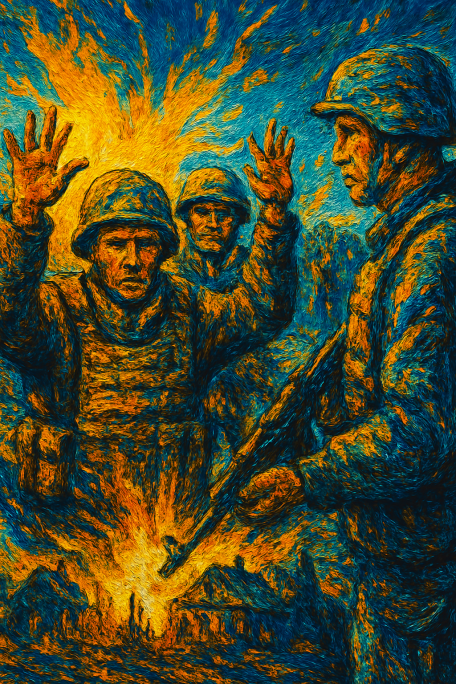
In cities like Pokrovsk, Russian forces have dropped flyers urging Ukrainian soldiers to surrender, promising humane treatment, food, rest, and eventual repatriation. These leaflets are part of a broader strategy to undermine morale and portray Russia as a “merciful liberator.”
Ukraine calls it propaganda. And while some soldiers may surrender under extreme pressure, most remain defiant. Still, the tactic reveals how information — not just firepower — is shaping the battlefield.
🧨 Who’s Fighting? Not Just Regular Armies
Both sides are using non-traditional fighters, including foreign volunteers and private military contractors.
On the Russian side, groups like Wagner and Redut have played major roles. Though Wagner was officially disbanded, many of its fighters have joined other units. Europol has identified hundreds of mercenaries linked to war crimes, including executions and sexual violence.
Russia is also reportedly deploying foreign fighters from China, Pakistan, and several African nations, especially near the northeastern border with Kharkiv. There are even unconfirmed reports of North Korean troops stationed in Russia’s Kursk region.
Ukraine, meanwhile, relies on the International Legion, a volunteer force made up of fighters from countries like the UK, US, Canada, and Georgia. These troops are formally integrated into Ukraine’s military and subject to its command structure.
⚖️ War Crimes and Contested Narratives
Let’s be real: war is messy. And both sides have been accused of crossing lines.
Human rights groups like Amnesty International and Human Rights Watch have documented violations by Ukrainian forces, including unlawful executions and the use of banned weapons. Ukraine has launched investigations in some cases, but critics say accountability is inconsistent.
Russia, however, faces far more extensive allegations — from mass deportations and torture to targeting civilians and critical infrastructure. The International Criminal Court has issued arrest warrants for Russian officials, including President Vladimir Putin.
Still, in the fog of war, truth is often contested. Each side accuses the other of propaganda, and independent verification is difficult. That’s why critical thinking — and diverse sources — are essential.
🧠 The “Nazi” Narrative: What’s Behind It?
One of Russia’s main justifications for the invasion is the claim that Ukraine is run by “Nazis.” This narrative centers on the Azov Battalion, a military unit with roots in far-right ideology.
Founded in 2014, Azov initially attracted ultranationalists and used symbols linked to neo-Nazism. However, since 2015, it’s been absorbed into Ukraine’s National Guard and claims to have distanced itself from extremist views.
Russia continues to use Azov as a rhetorical weapon, painting the entire Ukrainian state as fascist. But Ukraine’s president, Volodymyr Zelensky, is Jewish, and far-right parties hold little political power in Kyiv. Most international observers reject the “Nazi state” label as propaganda.
🌍 What Are the EU and US Doing?
Support for Ukraine hasn’t disappeared — but it’s evolving.
🇪🇺 European Union
- In March 2025, 26 EU countries (minus Hungary) approved a new aid package for Ukraine.
- The EU provides military equipment, financial aid, and training programs.
- There’s also a growing focus on post-war reconstruction, signaling long-term commitment.
🇺🇸 United States
- US support has slowed, largely due to political gridlock in Congress.
- President Trump has taken a more cautious stance, emphasizing diplomacy over military aid.
- Delays in funding have forced Ukraine to rely more heavily on European partners.
Bottom line: Ukraine still receives substantial help, but it’s not enough to reverse recent losses. The West is helping Ukraine survive — not necessarily win.
🧭 Why It Matters to Us in Rotterdam
You might be wondering: what does this have to do with me?
Here’s why it matters:
- Energy prices: The war disrupted gas supplies, driving up costs across Europe. Dutch households felt it.
- Refugees: Thousands of Ukrainians have settled in the Netherlands, including in Rotterdam. They’re part of our community now.
- Security: The war has revived debates about European defense, NATO, and our own military readiness.
- Truth and media: The conflict shows how narratives are shaped — and how hard it is to separate fact from fiction.
Whether you’re politically active or just trying to make sense of the world, understanding this war helps you see the bigger picture.
🧩 What’s Next?
No one knows how this ends. Peace talks remain elusive, and both sides are digging in. Russia wants to consolidate its gains. Ukraine wants its land back. The West wants stability — but not at any cost.
For now, the war continues. And while it may feel distant, its ripple effects are everywhere.
So next time you scroll past a headline or hear someone mention Ukraine, remember: this isn’t just about tanks and borders. It’s about power, truth, and the kind of world we want to live in.

 Dutch Echo
Leave a comment