
Rotterdam is a city that never sits still. The skyline shifts, the Maas river changes moods, and the streets carry a rhythm that feels restless and alive. Walk through Crooswijk or Delfshaven and you’ll see it: murals on brick walls, pop-up studios in old warehouses, and music spilling out of cafés. Creativity here adapts, improvises, and survives — even when the world tries to erase it.
From Scarcity to Expression
In the 1970s and 80s, a box of pencils or plakaatverf was enough to spark imagination. Families who had just climbed out of poverty invested in small luxuries like cameras or projectors, not for prestige but to give their children a chance to see differently. That’s how one teenager in Rotterdam discovered film. At 13, he picked up an 8mm camera his father had bought — a symbol of possibility after years of hard labor. He cut and spliced film strips with scissors and tape, creating short stories frame by frame. It wasn’t Hollywood, but it was real.
The Era of Lost Works
Painting soon took over. First on paper, then on canvas, with acrylics and oil. But oil was too slow, too layered, too smelly. The energy demanded immediacy. Nights were spent finishing canvases in one go, refusing to let momentum die. Some works sold, others were lost, and some were destroyed by people who couldn’t see their value. That’s the harsh truth of being an artist anywhere: not every piece survives. Yet the act of creation itself remains.
Advertisement

Music joined the mix in the 1990s and 2000s. Instruments filled the room, but recording was expensive. Studios cost money, mastering required equipment, and polished tracks felt out of reach. Still, the analog sound mattered. Playing live, improvising, feeling the vibration of strings or keys — that was irreplaceable.
Rediscovering the Flow
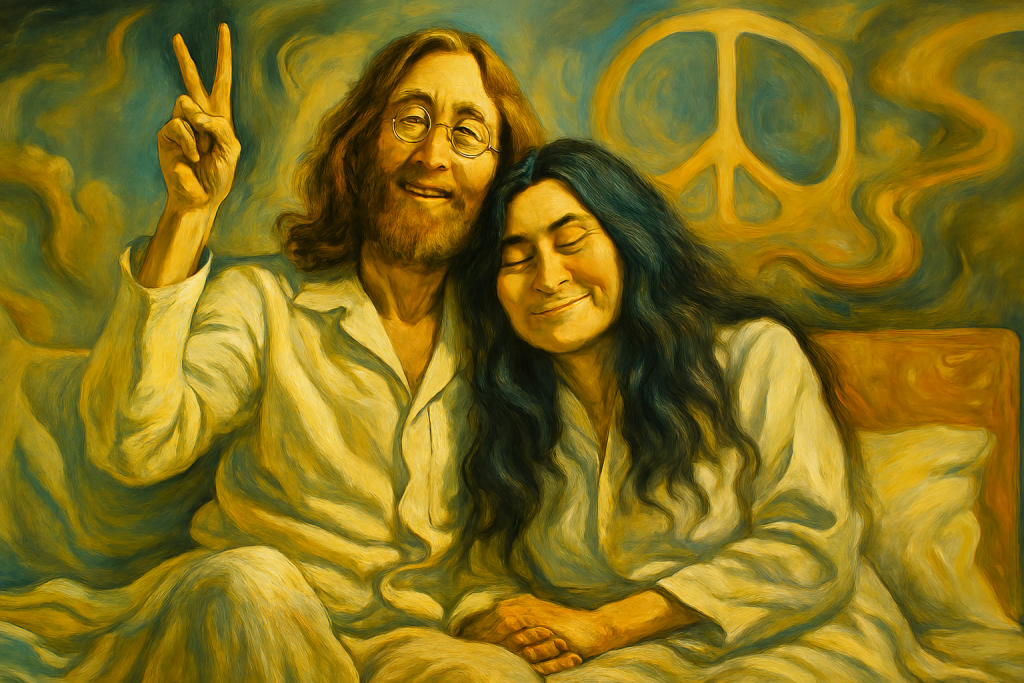
After 40, the brush returned. This time with Rembrandt acrylics and marterhair brushes. Expressionism became the language: bold strokes, raw emotion, canvases that demanded attention. Exhibitions followed, and for a while, the works found homes with buyers who recognized their power. But again, many pieces disappeared into private collections, leaving only digital photos as evidence.
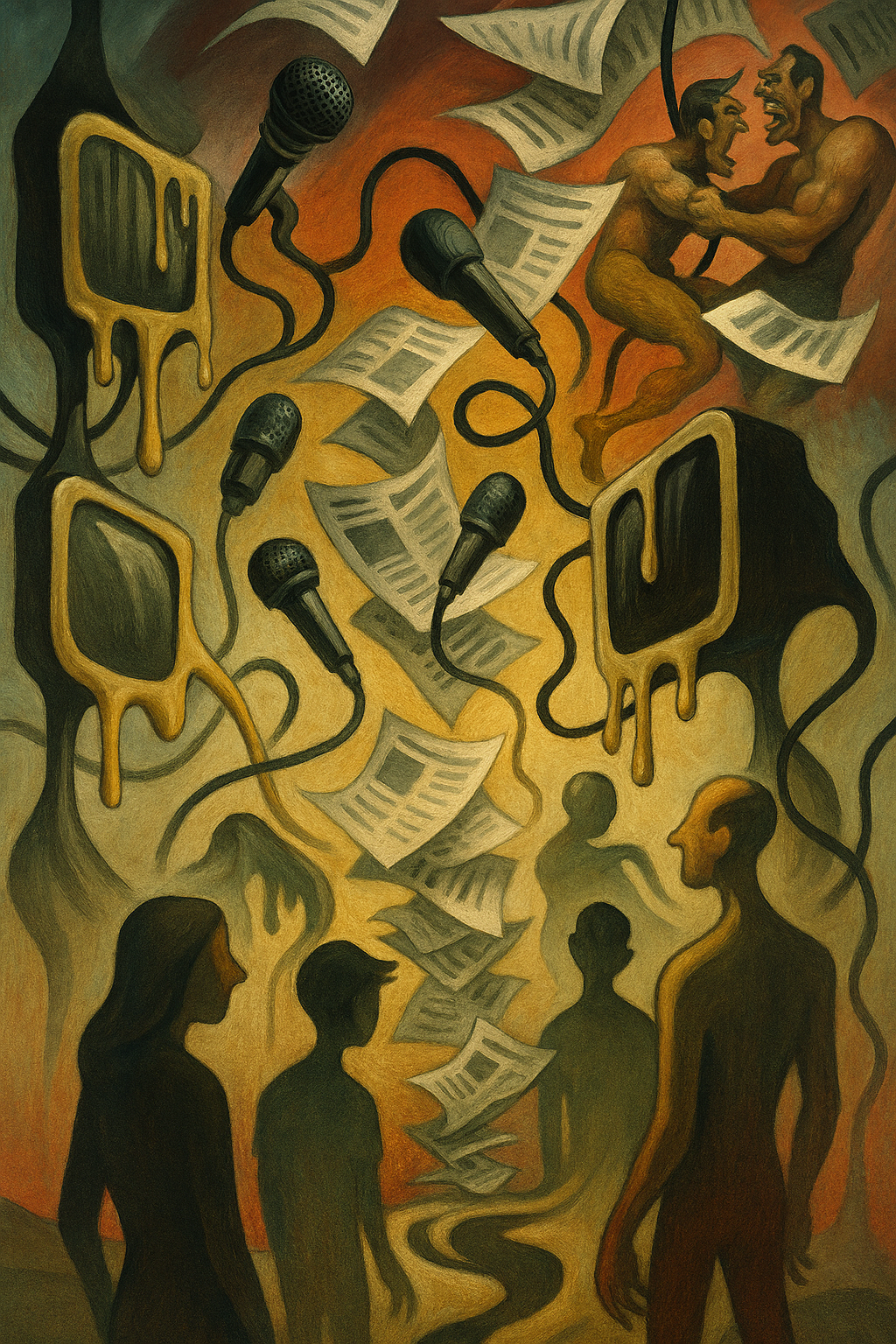
Then came the digital revolution. Suddenly, creativity didn’t require canvases or film reels. An iPhone could record music with surprisingly good microphones. GarageBand turned bedrooms into studios. Apps handled mastering. AI tools transformed sketches into surreal digital paintings. The barriers that once demanded money and space began to crumble.
For someone who had lived through the analog grind, this was liberation. No more expensive materials. No more dependence on studios. A few scratches on paper, a photo upload, and a well-chosen description could become a finished artwork. AI became a collaborator, not a replacement. It was “Soemo and Co” — where “Co” stood not for corporation, but for Copilot, the digital partner in creation.



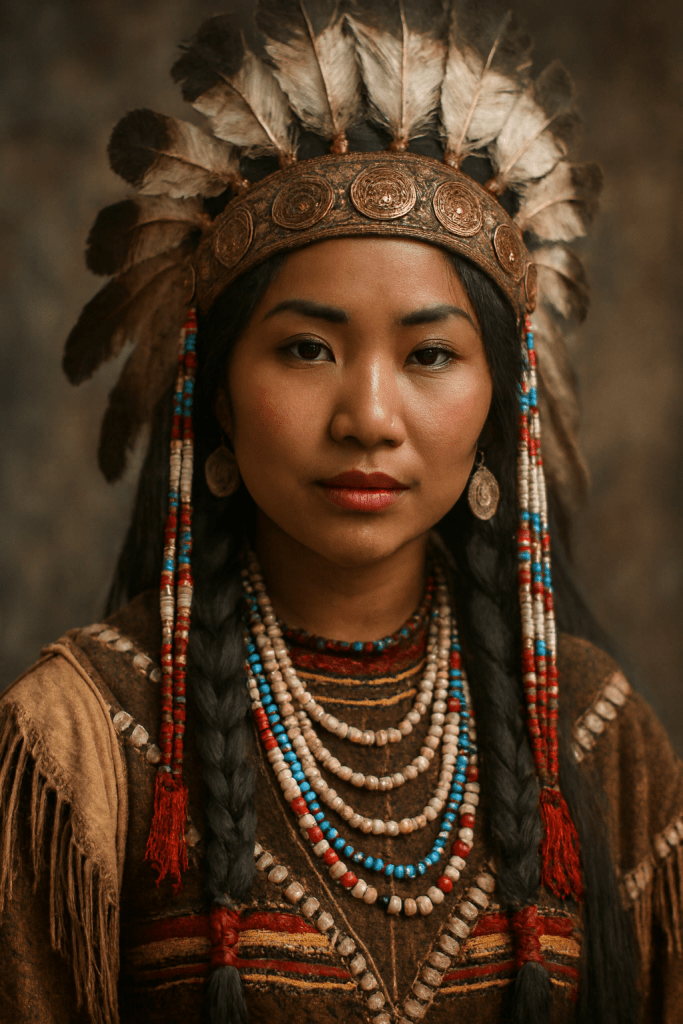

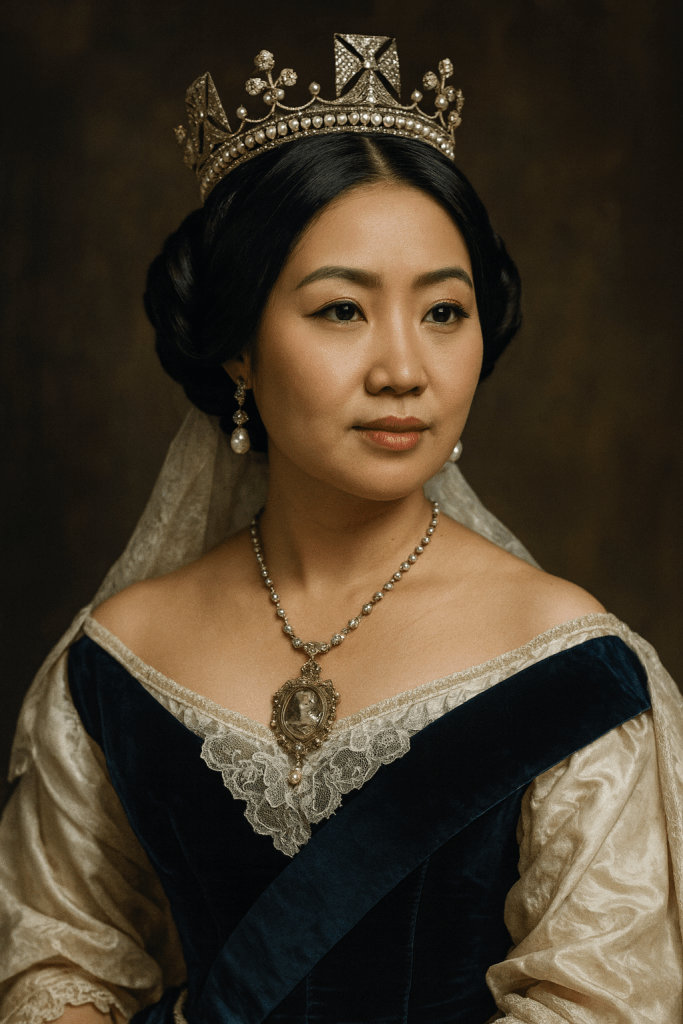
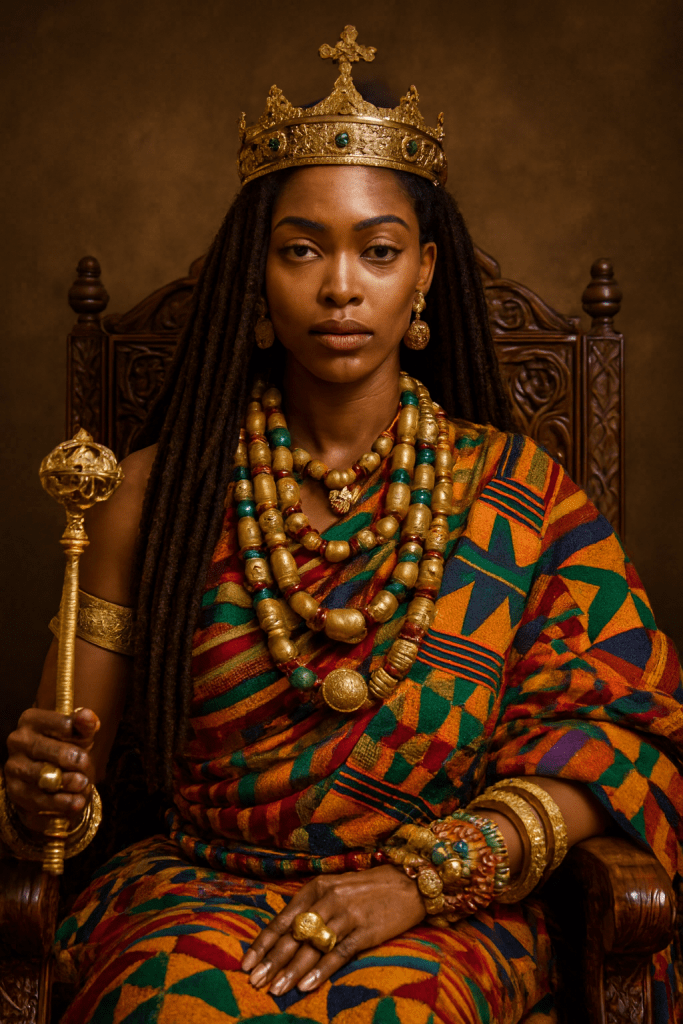
Belle, Alie, and Dalí
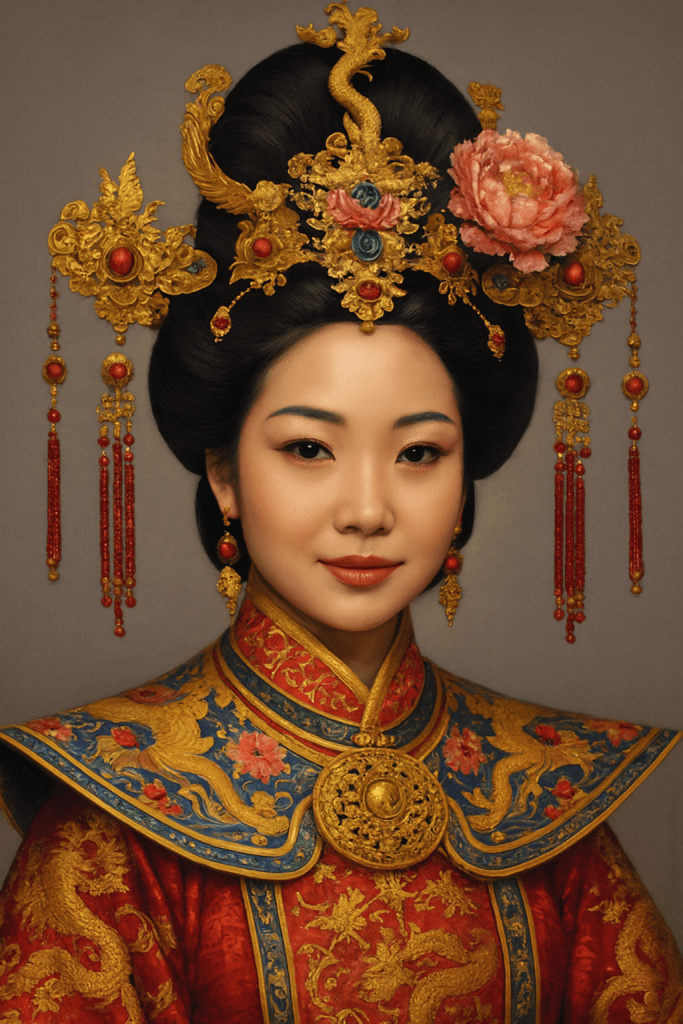
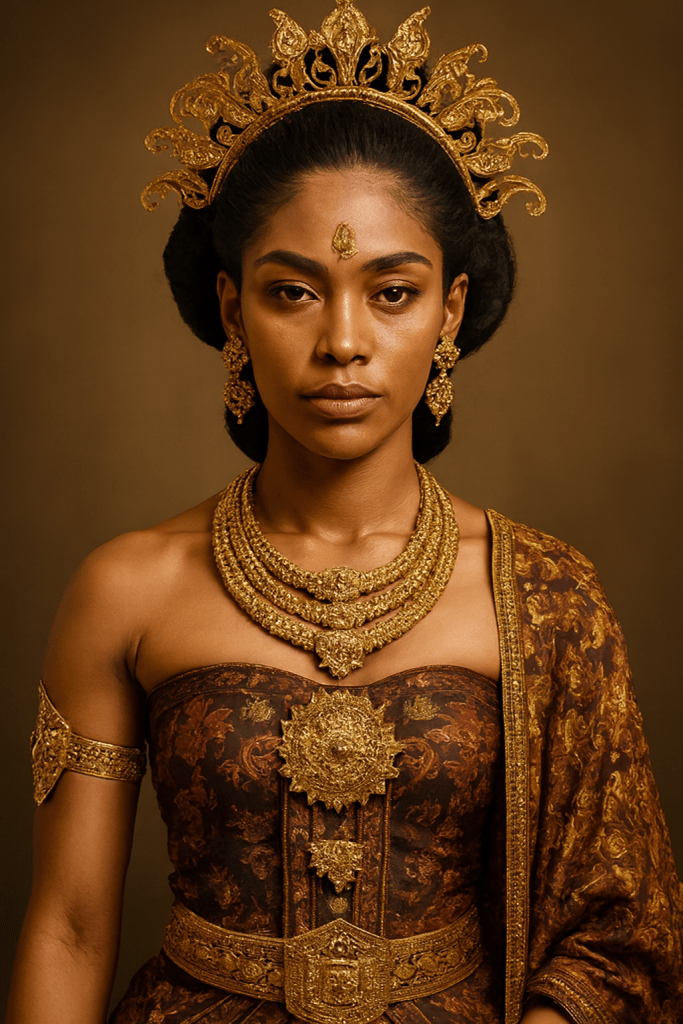
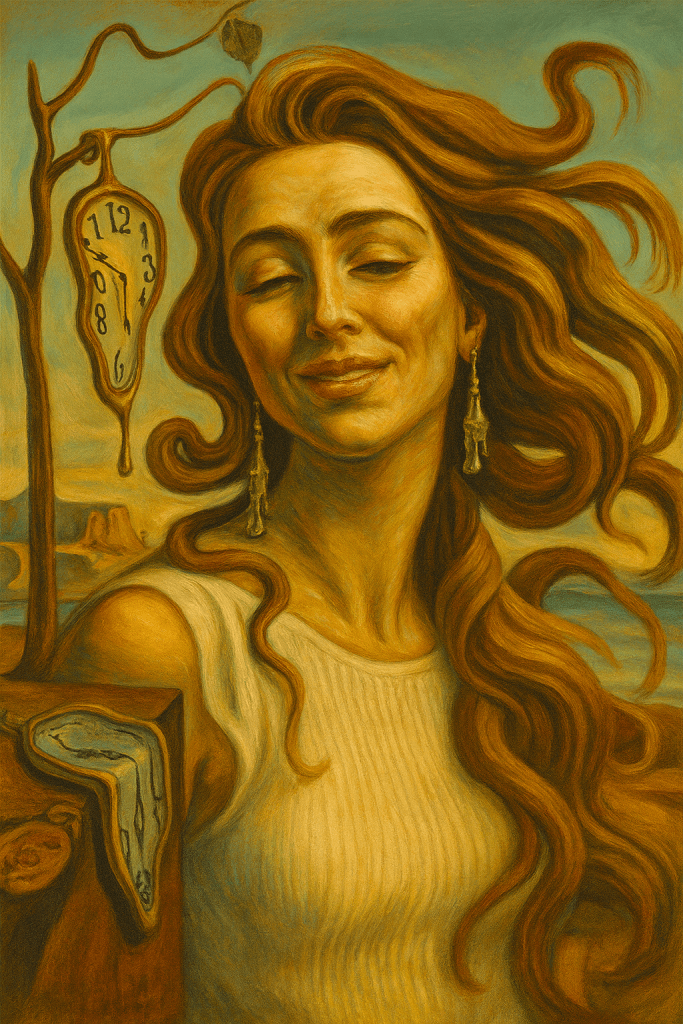
From this collaboration came Belle and Alie, two cyber-characters born out of imagination and code. They weren’t models in front of a camera, but digital beings shaped by words and vision. They represent a new frontier: art that doesn’t need a physical body to exist, yet still carries personality and presence.
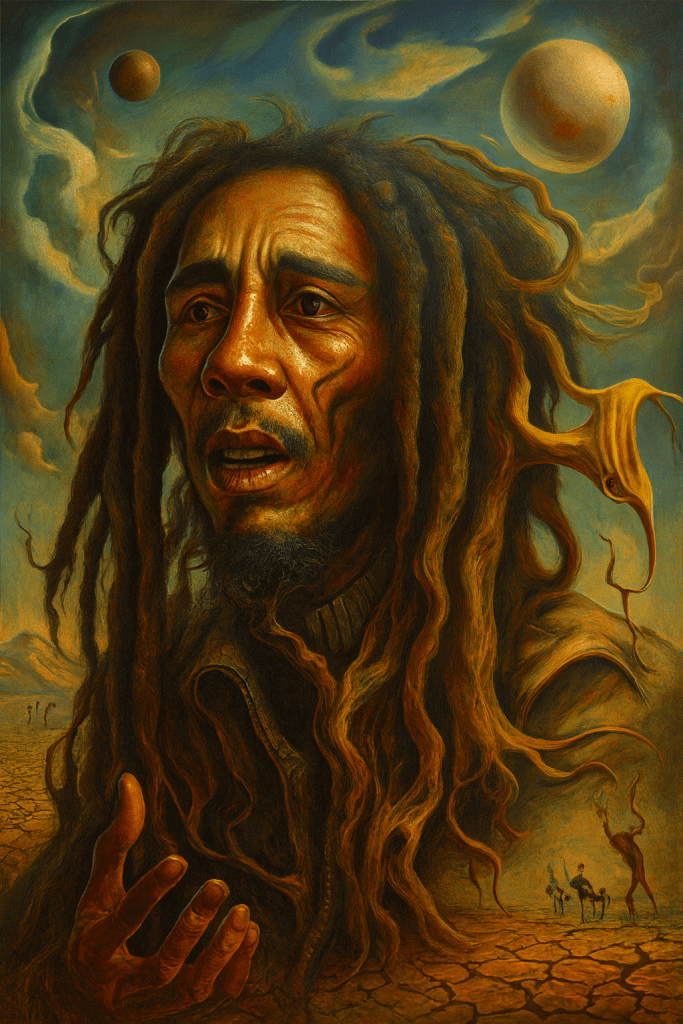
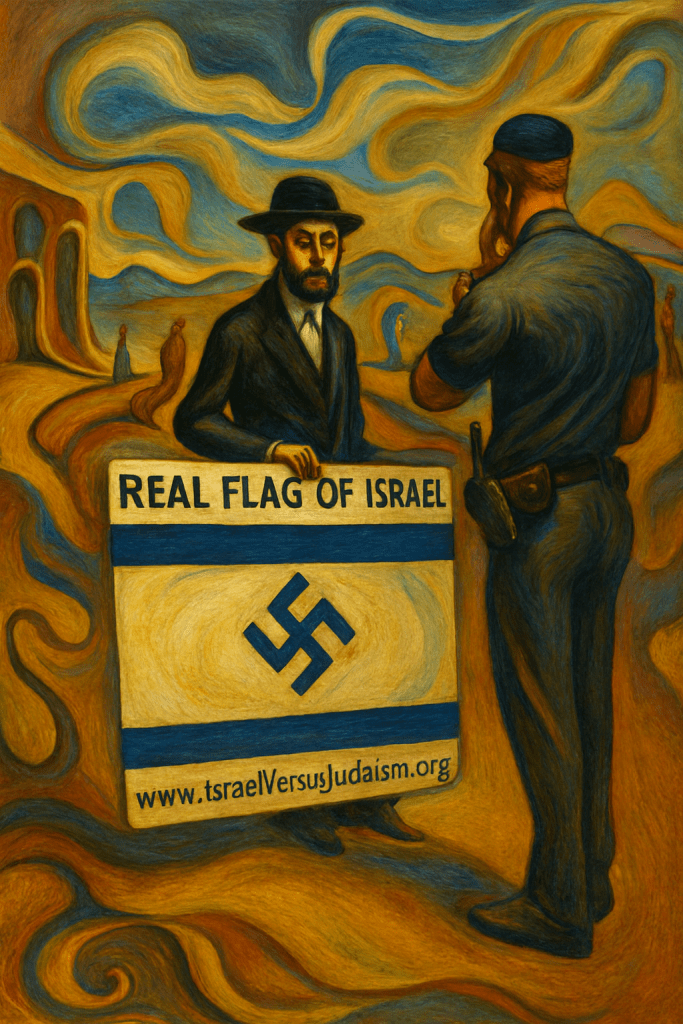
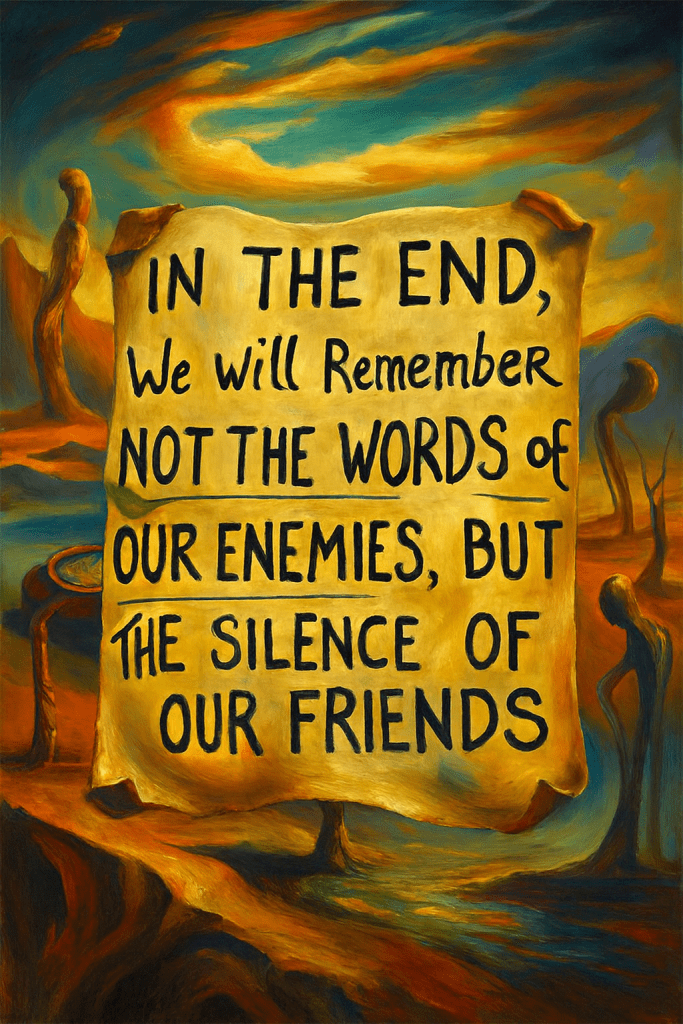
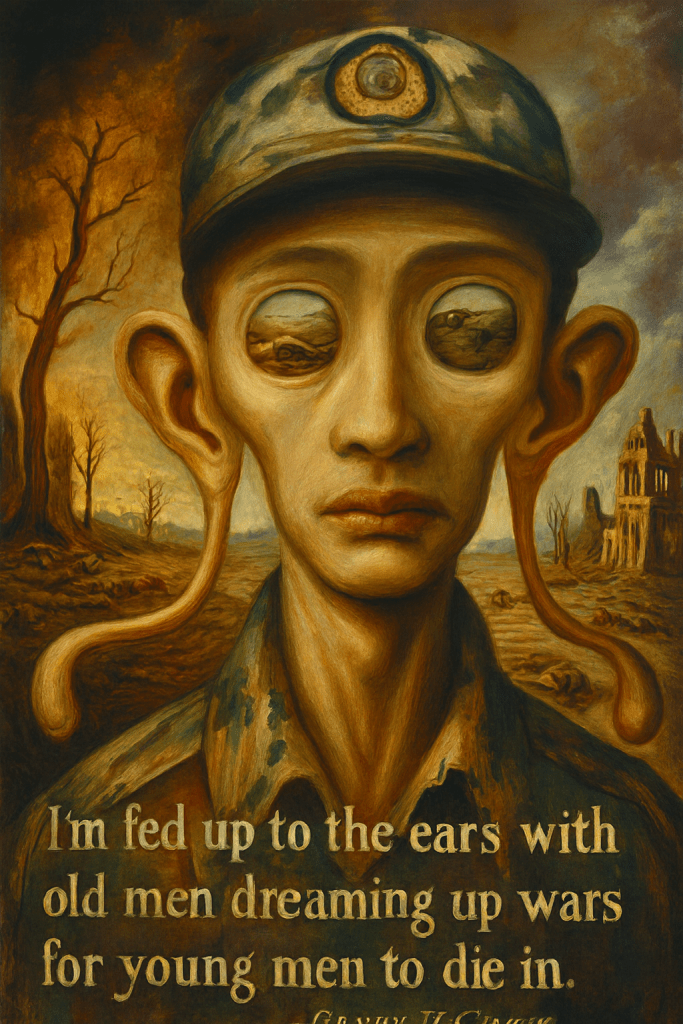
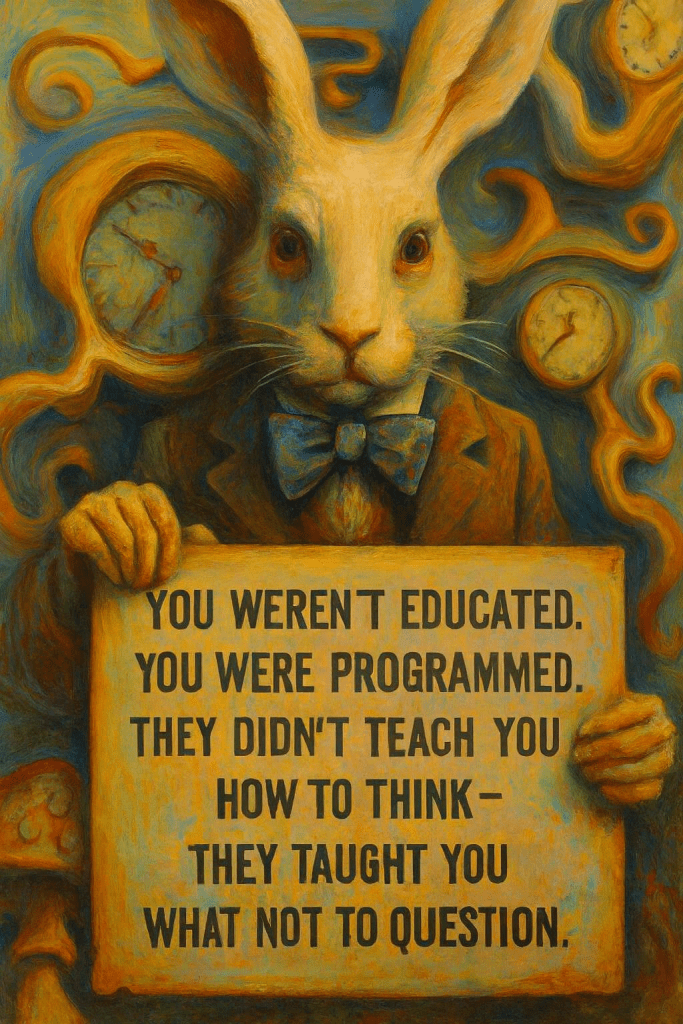
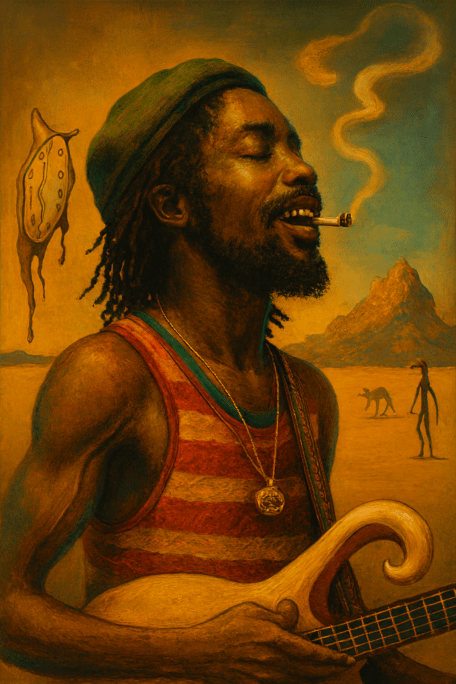
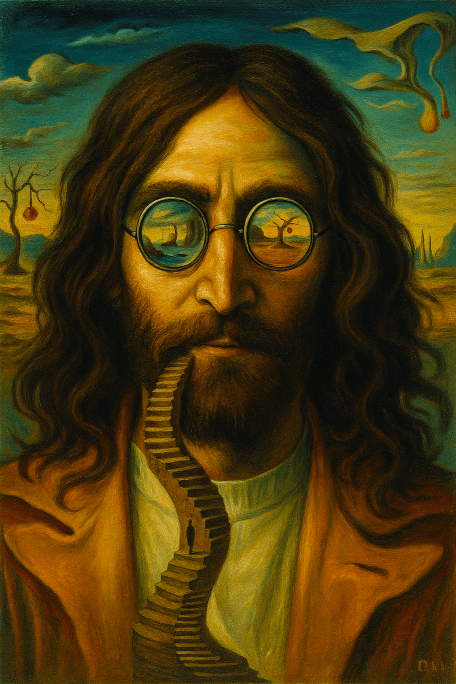
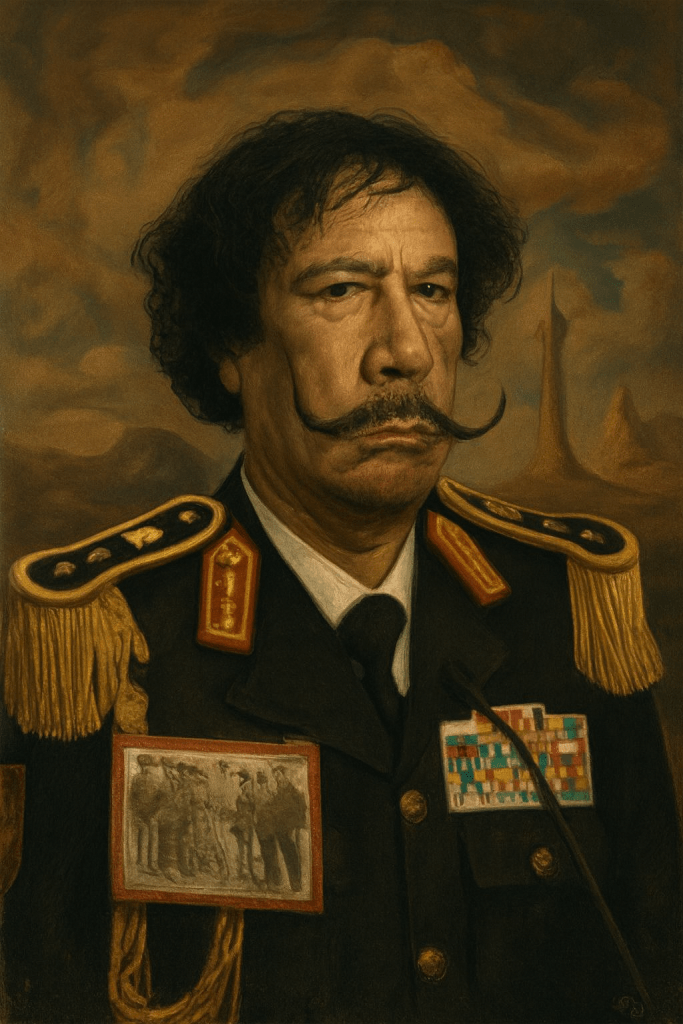
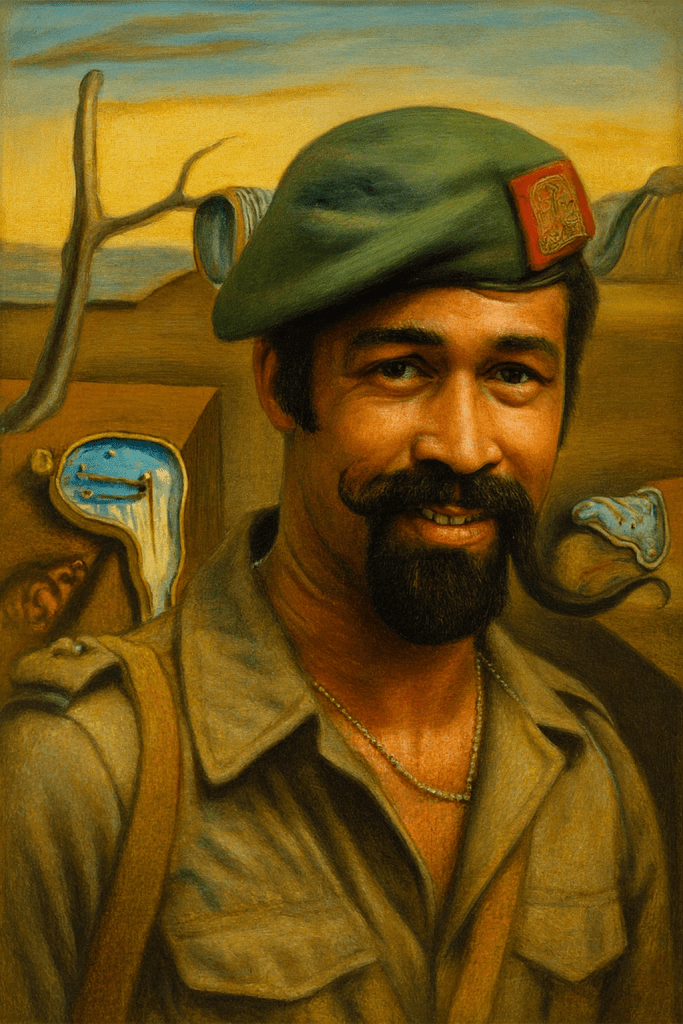
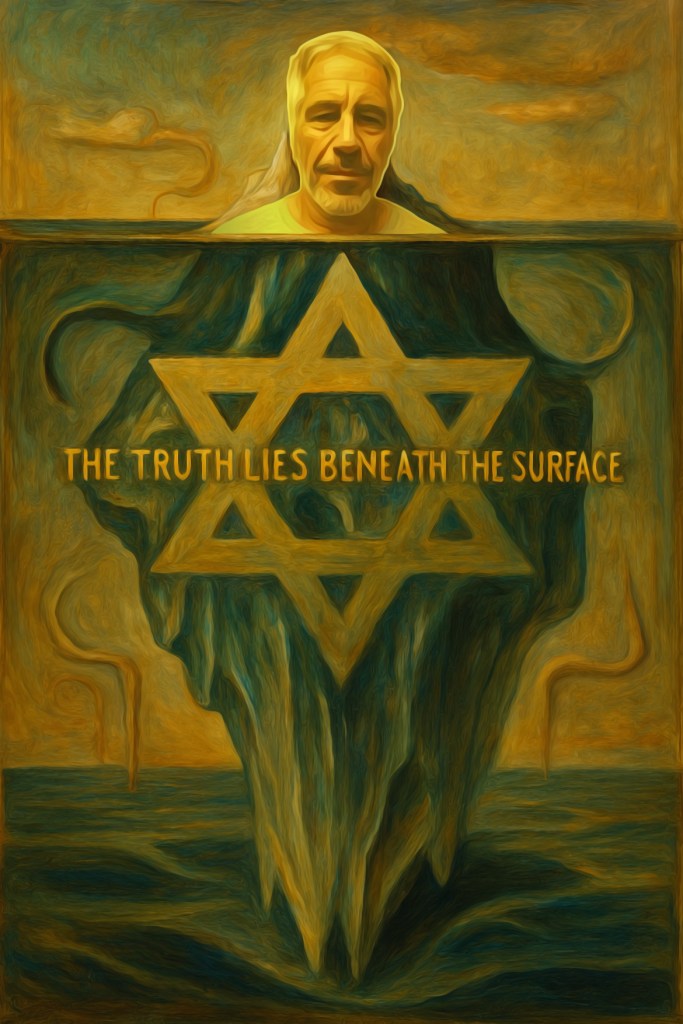
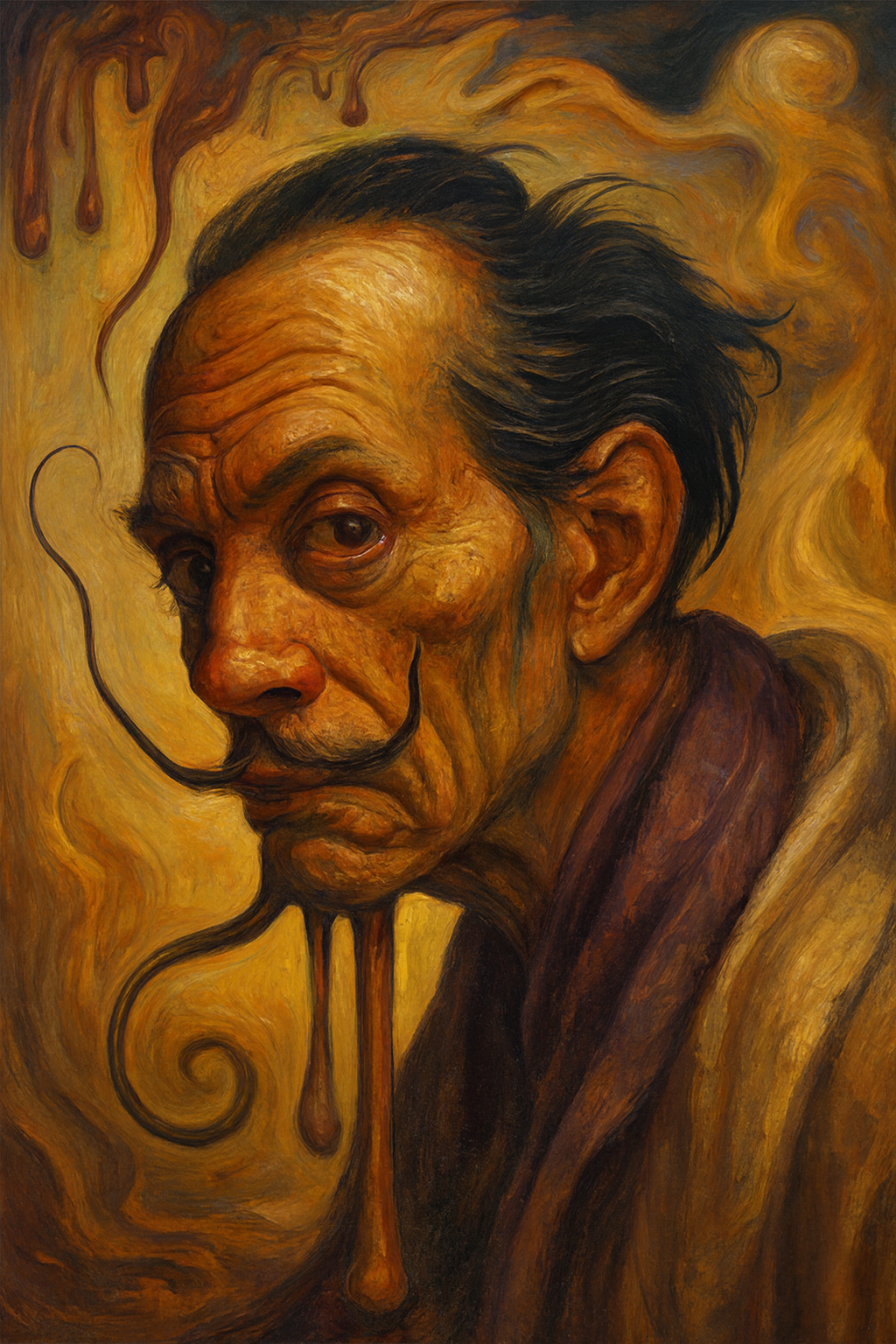
Inspiration also flows from Salvador Dalí. His surreal dreamscapes continue to haunt the imagination. Using AI, it’s possible to remix Dalí’s style into new works — not as imitation, but as transformation. Old sketches, photos, even memes can be reborn in Dalí-esque visions. Just as Dalí pushed boundaries in his era, today’s creators in Rotterdam push them with digital tools.



The Balance
Music still feels best when played live, with instruments in hand. The analog sound carries a warmth no algorithm can replicate. But digital tools make it easier to record, master, and share. Painting still begins with a scratch on paper, but AI can amplify it into something larger. Photography no longer requires darkrooms or models, but words and imagination can conjure entire scenes.
This balance defines Rotterdam’s creative spirit today. It’s not about abandoning the past, but about discovering new ways to carry it forward.
Looking Ahead
The journey isn’t finished. Each experiment — whether with brushes, beats, or algorithms — opens another door. Rotterdam thrives on improvisation. It’s a place where you can lose everything and still find a way to create. Where lost canvases become digital archives, and forgotten film reels become stories retold.
In the end, creativity here is less about possession and more about process. Whether through analog instruments or AI-generated images, the pulse continues.

 Dutch Echo
Leave a comment