
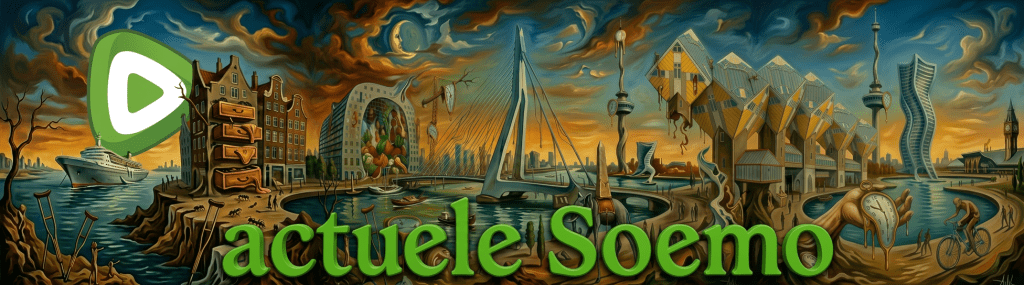
Rotterdam is buzzing. Street culture, music, football, and now DPG Media – the media giant that has steadily expanded its reach across the Netherlands and beyond. With newspapers like de Volkskrant and AD already under its wing, and RTL Nederland now added to the portfolio, DPG represents a new phase in media consolidation: bigger, stronger, and more dominant. The question that lingers is simple yet unsettling: who decides what we read, watch, and believe?
DPG is not just another publisher. It is a powerhouse that thrives on digital transformation, market dominance, and the ambition to be everywhere. In Amsterdam, Rotterdam, Antwerp, and Brussels, the same echo resounds: who controls the narrative, and who gets to speak?
Ancient Texts, Modern Tensions
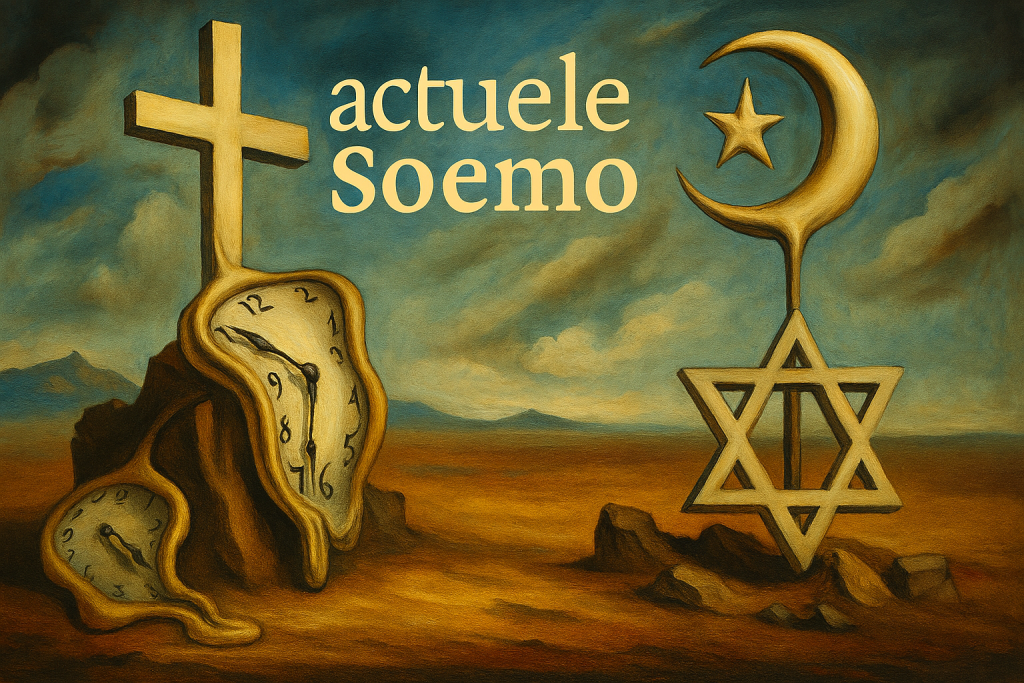
This brings us to the Talmud – a vast collection of rabbinic debates, written centuries ago in times when Jewish communities lived under constant pressure. It is a mix of spiritual reflection, legal rulings, and polemical arguments. Within its thousands of pages are passages that, when read today, can sound discriminatory, especially when they refer to goyim, or non-Jews.
Advertisements
In modern debates, these passages are often cited as proof of intolerance. Yet, in their original context, many were defensive measures, designed to protect a vulnerable minority in hostile environments. Still, the discomfort remains: how do we deal with texts that, stripped of their historical background, appear discriminatory in the present?
The problem is that such lines are frequently taken out of context. Antisemitic propaganda has long used them to claim: “See, Jews despise others.” But the Talmud also insists that righteous non-Jews have a place in the world-to-come, and that fairness and respect are obligations toward everyone. It is not a simple black-and-white story. In an age of growing distrust toward religion and institutions, however, nuance is easily lost.
When the Internet Goes Dark
Now imagine waking up one morning, reaching for your phone, and… nothing. No WhatsApp, no Instagram, no news. The internet is down. At first, it might feel like a temporary glitch. But what if it lasts for days?
The consequences would be enormous. No card payments, no online banking. Supermarkets unable to manage logistics, hospitals cut off from digital records, public transport systems grinding to a halt. Businesses would collapse into silence. On a personal level: no contact with friends or family, no access to information, no memes to break the tension.
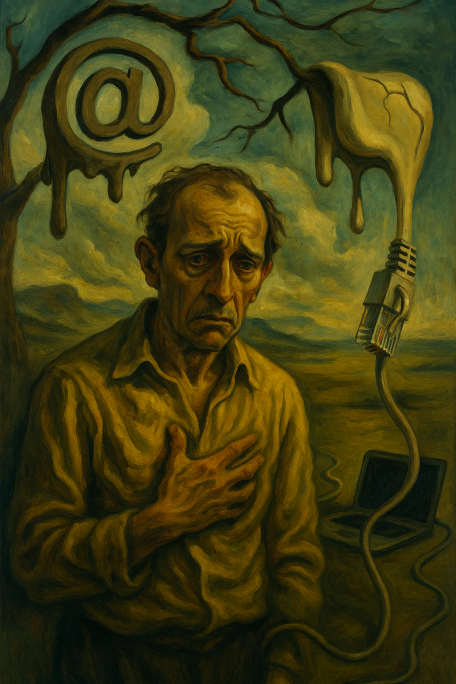
We have become so dependent on digital infrastructure that a total outage feels unimaginable. Yet small-scale disruptions with massive impact are already happening. Software bugs have disabled millions of devices worldwide, cyberattacks have paralyzed entire cities. These events expose just how fragile our systems really are.
Preparation? Almost nonexistent. A bit of cash at home, maybe a battery-powered radio. But real contingency plans – analog communication networks, local coordination points, public training – are rare. The idea of functioning without internet feels like science fiction. And yet, it is a scenario edging closer.
What Are We Really Doing?
Put DPG Media’s consolidation, the Talmud debates, and the threat of digital collapse side by side, and a pattern emerges. It is all about trust – or rather, the erosion of it. Trust in media, trust in religious texts, trust in technology, trust in government.
And then comes the uncomfortable question: what are we, as a society, really doing?
For more than twenty years, Muslims have been demonized in politics and media. Now the focus seems to be shifting: is the Jewish community next in line?
It is a dangerous trajectory. Once we start pitting groups against each other, we lose sight of the essence: coexistence depends on mutual respect and the recognition of difference. If we reduce religious texts to slogans, or blindly trust technology without backup, we are building a society on quicksand.
Conclusion
DPG Media shows how consolidation reshapes the media landscape. The Talmud debates remind us that texts must always be read in context, but also that discrimination – however subtle – cannot be ignored. And the looming threat of internet failure highlights the vulnerability of our modern world.
So the question remains: are we heading into very dark times?
After more than two decades of demonizing Muslims, is the Jewish community now at risk of being targeted? Or can we finally learn that demonizing entire groups leads nowhere?
The answer does not lie in DPG alone, nor in ancient texts, nor in technology. It lies in how we – in Rotterdam, Amsterdam, Antwerp, Brussels – choose to live together.


 Dutch Echo
Leave a comment