
In today’s world, geopolitical tensions often dominate headlines. One of the most discussed situations is the relationship between the United States and Iran. This complex dynamic has been ongoing for decades, marked by periods of severe conflict and attempts at diplomacy. In this article, we explore why Iran is currently under significant threat and how this situation contrasts with North Korea, which has historically faced a different kind of international scrutiny.
A History of Hostility
The recent escalation of tensions stems from Iran’s nuclear ambitions. The U.S. has long accused Iran of developing nuclear weapons under the guise of a civilian nuclear program. This fear intensified when the U.S. withdrew from the Joint Comprehensive Plan of Action (JCPOA) in 2018, a landmark agreement meant to limit Iran’s nuclear capabilities in exchange for sanctions relief. The return of stringent sanctions reignited hostilities, raising fears of a nuclear-armed Iran.
Advertisements

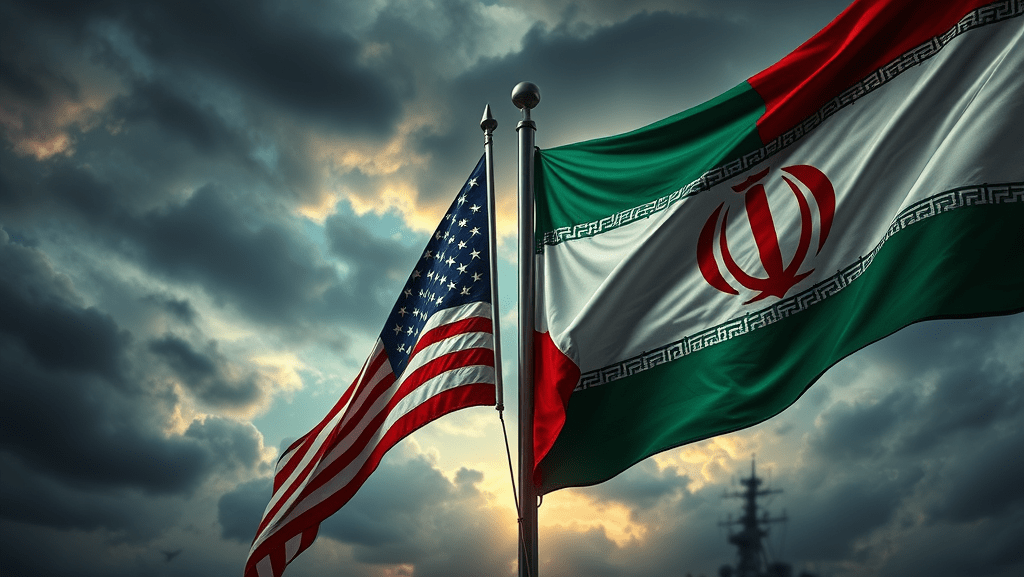
The situation worsened when former President Donald Trump issued direct threats to Iran, hinting at potential military action if Iran continued its nuclear activities. This type of rhetoric is part of a broader U.S. strategy aimed at containing Iranian influence in the Middle East, particularly because Iran is known to back various militant groups that threaten U.S. allies in the region, like Israel and Saudi Arabia.
Military Moves and Regional Tensions
In response to Iran’s actions, the U.S. increased its military presence in the Middle East. They deployed advanced weaponry, including B-2 bombers and F-35 fighter jets, to assure U.S. allies and deter potential Iranian aggression. Iran, too, has made military preparations, stating their readiness to respond to any attacks. The rhetoric from Iranian leaders, including Ayatollah Khamenei, highlights a commitment to retaliating forcefully against perceived threats, which adds to the already charged atmosphere.
While the Middle East has been the focal point of U.S.-Iranian tensions, the situation elsewhere, particularly with North Korea, raises questions about why similar actions and threats have not been directed toward Pyongyang. Understanding this difference requires examining the historical context and current geopolitical factors surrounding both nations.
The Complexity of North Korea
North Korea, ruled by Kim Jong-un, has developed its nuclear arsenal amid a history of threat perception, but its situation differs markedly from that of Iran. The international response to North Korea has been shaped largely by its ties with China, which plays a significant role as Pyongyang’s main ally. China views North Korea as a strategic buffer against U.S. forces in the region, making it less likely to support aggressive measures against the regime.
Despite the ongoing nuclear tests and provocative missile launches by North Korea, the international community has often opted for diplomatic engagement rather than military confrontation. High-profile summits between Kim Jong-un and former President Trump in 2018 showcased attempts at dialogue. While these talks did not lead to concrete denuclearization steps, they demonstrated a willingness to engage in diplomacy that has been largely absent in U.S.-Iran relations.
Discrepancies in International Pressure
One major reason Iran faces more severe threats than North Korea is the transparency — or lack thereof — surrounding their nuclear programs. Iran’s past lack of cooperation with the International Atomic Energy Agency (IAEA) led to deep mistrust among Western nations. In contrast, North Korea’s nuclear program developed under a veil of secrecy, allowing it to make advancements with less international pressure for years.
Moreover, North Korea’s nuclear capabilities pose more of a regional threat rather than a direct one to the U.S. By comparison, Iran’s support for militant groups and its geographical position in the politically volatile Middle East creates a more urgent perceived threat to U.S. allies and interests.
The Role of Diplomacy
Despite the tension, it is crucial to highlight the importance of diplomatic efforts in both cases. Diplomacy plays a vital role in mitigating potential military conflicts. Many experts argue that direct dialogue is necessary to address the fears surrounding Iran’s nuclear ambitions and to open pathways for peace. However, the current political climate makes it difficult for meaningful negotiations to take place.
The negotiations with Iran have been complicated by various factors, including conflicting interests among global powers. European allies have tried to mediate and keep the JCPOA alive, but a cohesive stance remains elusive. In contrast, diplomacy with North Korea has seen varying levels of engagement, often influenced by personal diplomacy and shifting U.S. administrations.
Advertisements

Global Reaction and Potential Consequences
International reactions to tensions with Iran differ significantly from those with North Korea. European nations have expressed alarm regarding potential military actions in the Middle East, emphasizing the need for de-escalation and dialogue. Meanwhile, Russia has voiced concerns over the possibility of conflict, advocating for diplomatic channels to be prioritized.
In both cases, the fear of military confrontations raises the stakes considerably. Potential conflicts could have devastating effects, not just within the regions but globally, impacting economies and international relations as a whole.
Cultural Context and Internal Politics
The domestic politics within Iran and North Korea further complicate their international relations. In Iran, hardliners continue to dominate, making it challenging for more moderate forces to advocate for diplomatic solutions. The political landscape in North Korea is also rigid, with Kim Jong-un maintaining a tight grip on power and using military advancements as a means of bolstering internal legitimacy.
These internal dynamics play a crucial role in shaping each country’s international posture, often resulting in an escalation of tensions rather than a move towards diplomacy.
Conclusion
In conclusion, the differences in how Iran and North Korea are treated on the international stage stem from a complex mixture of military, political, and historical factors. While Iran faces intense scrutiny and threats due to its nuclear ambitions and regional influence, North Korea benefits from significant international diplomacy and support from China. The need for continued dialogue is essential to navigate these geopolitical challenges while avoiding potential conflict, highlighting the importance of understanding and addressing the unique circumstances surrounding each nation. As the world watches, the hope for diplomacy remains, underscoring the need for careful navigation in a fraught political landscape.


 Dutch Echo
Leave a comment