
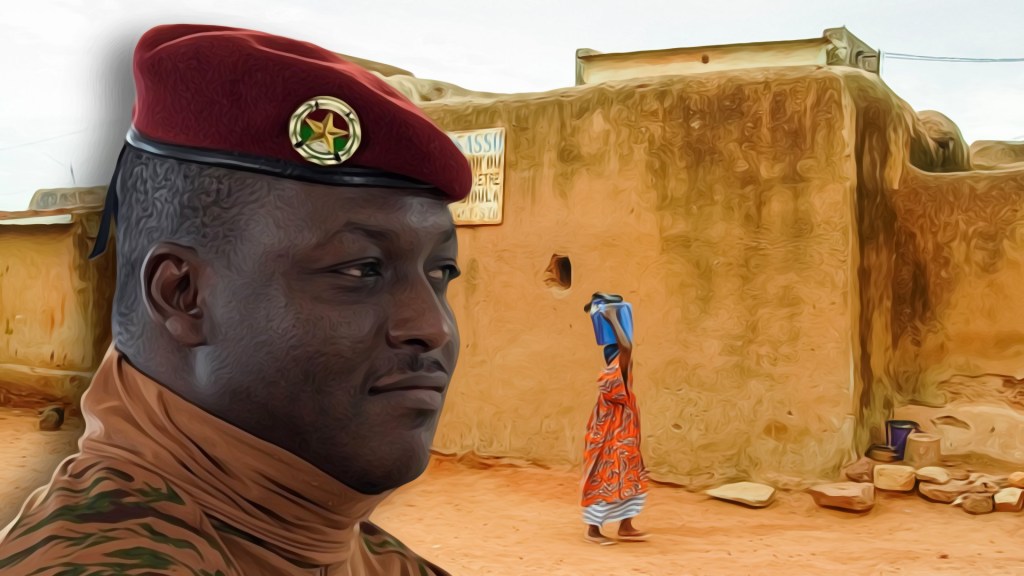
In the heart of West Africa, Burkina Faso is experiencing a significant political shift under its young leader, Ibrahim Traoré. As one of the youngest heads of state in the world, Traoré has taken on the enormous responsibility of leading his country through a tumultuous period marked by political unrest, security challenges, and calls for reform. This article explores his rise to power, the current situation in Burkina Faso, and the implications of his leadership for the future of the nation.
Early Life and Rise to Power
Ibrahim Traoré was born on March 14, 1988, in Kéra, a small town in the municipality of Bondokuy, Burkina Faso. His journey to the presidency is remarkable, considering he assumed office at the age of just 34. Traoré’s educational background includes studies at the University of Ouagadougou, where he developed his understanding of military and political affairs.
Advertisements
His rise to prominence began in the military, where he quickly established himself as a capable officer. On September 30, 2022, he led a coup that ousted the then-interim president, Paul-Henri Sandaogo Damiba. The coup was a response to increasing dissatisfaction among the population over the government’s inability to combat escalating jihadist violence and insecurity in the region.
Immediately after taking power, Traoré was sworn in as the President of the Transition, committing to restore constitutional order and implement meaningful reforms to stabilize the country. His ascension to power came at a time when Burkina Faso was plagued by internal conflicts and rising extremism, making his leadership all the more critical.
A Promising Agenda
Upon taking office, President Traoré outlined a progressive agenda focused on addressing the root causes of the chaos that had gripped the nation. His promises included enhanced security measures, socio-economic development, and an emphasis on national pride and independence—an echo of the ideals espoused by Burkina Faso’s iconic former president, Thomas Sankara.
Traoré has positioned himself as a champion for the youth of Burkina Faso, recognizing that over 60% of the population is under the age of 25. By engaging with young people, he has fostered a sense of hope and enthusiasm about the future of the nation. His vision aims to provide opportunities for employment, education, and social mobility, critical factors in preventing youth radicalization and involvement in violence.
The Challenges Ahead
Despite the hope Traoré has inspired, he faces monumental challenges. The political landscape in Burkina Faso is fraught with instability. Increased attacks by jihadist groups affiliated with both Al-Qaeda and ISIS have led to the deaths of thousands and the displacement of millions. The ongoing violence poses a direct threat to Traoré’s ability to enact change and secure the safety of Burkinabé citizens.
The government estimates that over 40% of the country’s territory is under the influence of armed groups. These factions conduct frequent assaults on both military and civilian targets, undermining the fragile authority of the state. Traoré’s administration must strike a delicate balance between military action against these groups and efforts to address the grievances that fuel their appeal among the population.
A New Era of Leadership
What sets Traoré apart from previous leaders is his youth and the energy he brings to the position. His age resonates with the younger population, allowing him to connect on a different level than his predecessors. This generational link may create a unique opportunity for implementing reforms that align with the aspirations of today’s youth.
Traoré has drawn inspiration from Sankara, known for his nationalistic policies and dedication to social justice. Similar to Sankara, Traoré advocates for self-sufficiency and independence from foreign influence. This anti-imperialist stance has garnered him support, as many Burkinabé desire leadership that prioritizes their interests over external pressures.
He has also promised to address issues such as poverty, unemployment, and education, areas where previous administrations have struggled. By investing in these sectors, Traoré aims to uplift the living standards of all Burkinabé, particularly those in rural and marginalized communities.
Advertisements

The Role of Jihadism in Burkina Faso
The rise of jihadism in Burkina Faso cannot be underestimated. With roots in regional instability and social disenfranchisement, extremist groups have seized upon the desperation felt by many citizens. The Jihadism in Burkina Faso, economic inequality, and lack of opportunities has created fertile ground for radical ideologies to take root.
Traoré’s government faces the daunting task of countering these narratives while also implementing strategies that address the concerns of the populace. This requires a multifaceted approach that combines military action with socio-economic initiatives aimed at reducing youth radicalization.
Additionally, creating a robust educational framework can empower future generations with the knowledge and skills necessary to reject extremist ideologies. Traoré’s vision of education reform aims to make this a reality, although turning this into practice will require time, resources, and political will.
Conclusion: A Turning Point for Burkina Faso
Ibrahim Traoré stands at a crossroads for Burkina Faso. His leadership comes with both significant promise and formidable challenges. As a young leader, he has the potential to reshape the political landscape and inspire a new generation to engage in the democratic process.
However, the road ahead will not be easy. Success will depend on his ability to build trust among the populace, implement meaningful reforms, and effectively combat jihadist threats. The people of Burkina Faso are looking for change, and with Traoré at the helm, there is hope for a brighter future. His rise reflects not only the desire for political transformation but also the aspirations of a nation longing for stability, security, and progress.
In this pivotal moment, the world watches with anticipation. Will Traoré be able to honor his commitments and lead Burkina Faso toward a more hopeful and prosperous future? Only time will tell, but his leadership marks an essential turning point in the nation’s history.
 Dutch Echo
Leave a comment