
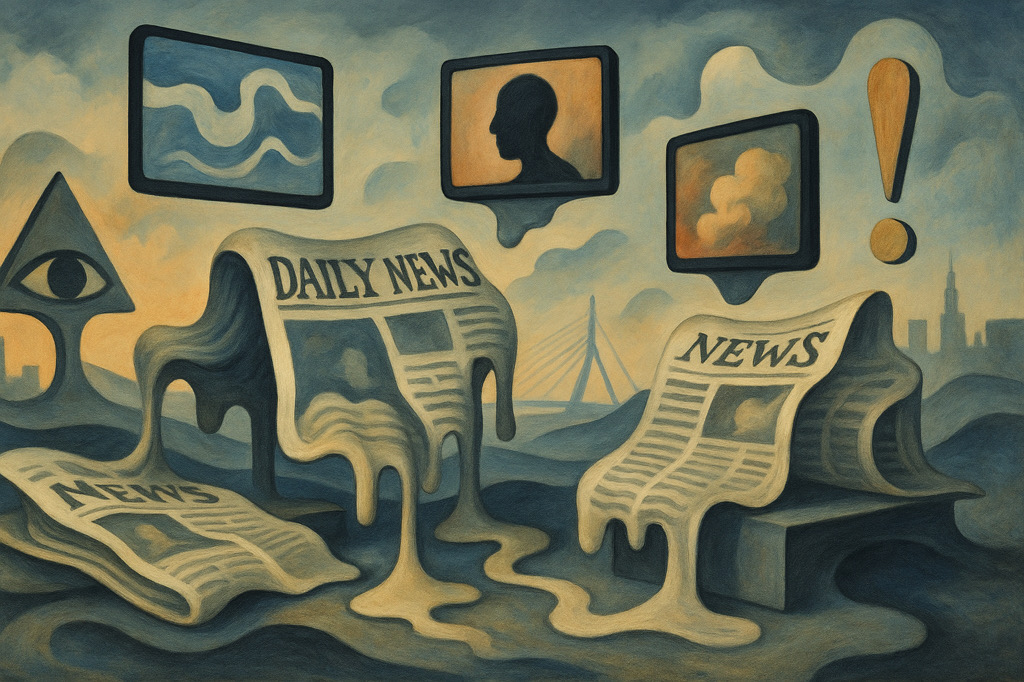
Rotterdam – You know that feeling when you’re walking through Rotterdam, the wind cutting across your face, the metro rumbling somewhere beneath your shoes, and your phone buzzing in your pocket because another push notification has arrived. A stabbing here, a robbery there, an “asylum seeker” mentioned in one headline, a “Moroccan boy” in another. As you keep walking, something starts to twist in your stomach, that quiet little knot that no one likes to admit to but everyone recognizes. The undercurrent. The gut feeling. And you start wondering where it comes from. Is it the city itself, the people around you, or the way the stories reach you before you even have time to blink. Because if you look closely—really closely—you’ll see that media, both then and now, shape how we feel the world far more than we sometimes want to admit. That’s not an accusation. It’s an observation from the pavement level, from the sidewalks of Rotterdam where truth tends to sound a little rougher than in the polished corridors of newsrooms.
How a Newspaper Went Wrong, and Why That Still Matters Today
Advertisement

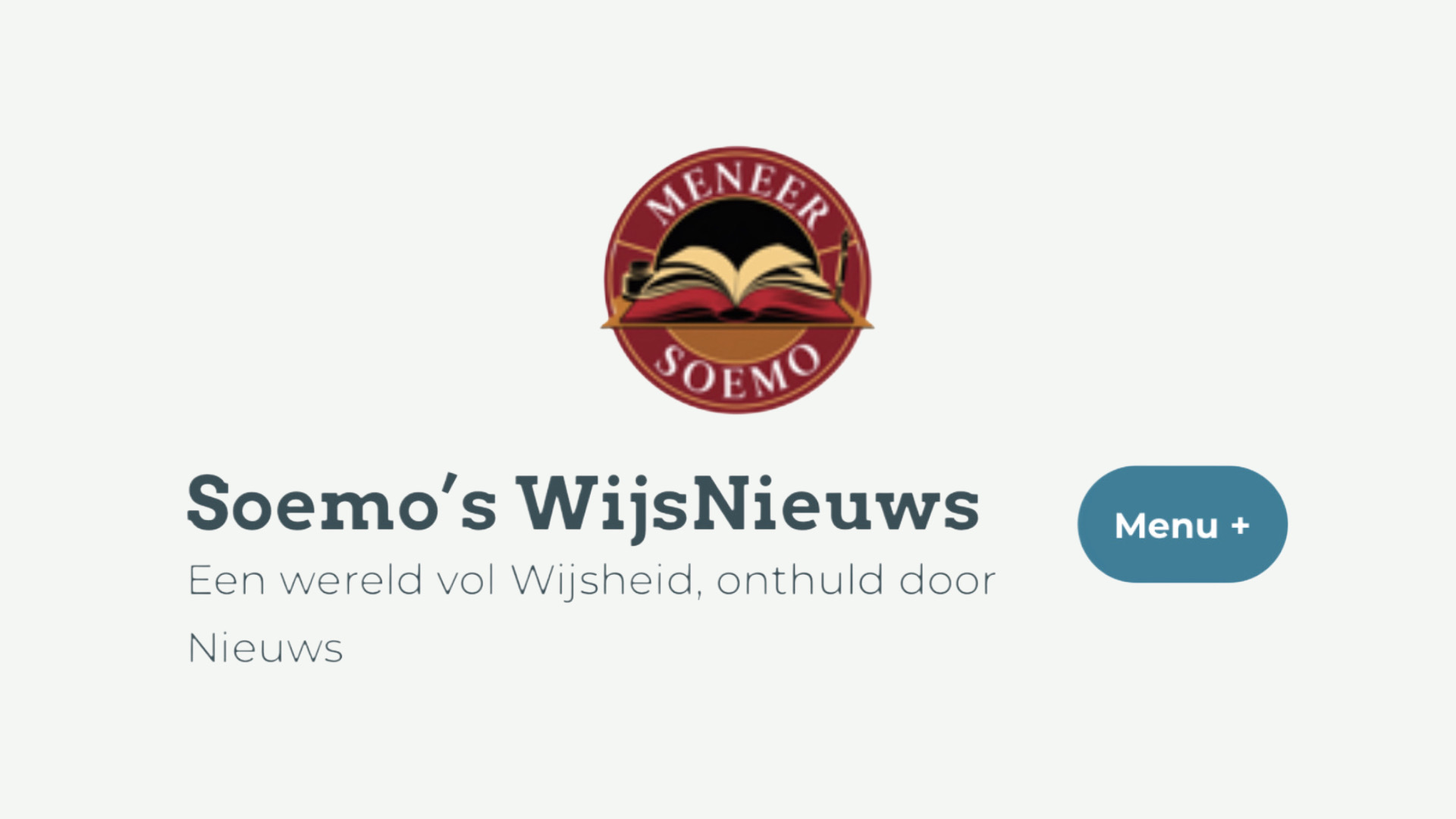
Rotterdam – Let’s rewind for a moment, not a few years but eight decades. The Netherlands, 1940. The German occupation begins. Newspapers fall under strict supervision. Censorship becomes the rule. Printing presses run under the watchful eye of the occupier. And De Telegraaf, one of the country’s biggest papers, starts off “compliant,” as historians politely phrase it. Not uniquely wrong, not heroically right, just compliant. Sometimes even complimentary toward German soldiers, a kind of tactfulness that might feel familiar today, though aimed in a very different direction. But then comes October 1944, and that’s when things truly go off the rails. The newspaper falls under the leadership of an SS member, not metaphorically or symbolically but literally. From that moment on, De Telegraaf becomes a propaganda engine. No more neutral reporting. No more merely censored content. Instead, active support for the occupier. Articles praising German “military successes,” pieces portraying resistance fighters as “terrorists,” editorials urging the public to keep faith in German leadership. All of this while the rest of the country was starving, hiding, fighting, surviving. That is why the paper received a publication ban after the war. Not because it printed official decrees—every newspaper was forced to do that—but because in the final year of the war, it went beyond what was required. It participated. Actively. Willingly. And that matters, not to reopen old wounds, but to understand how media influence works, how framing works, and how headlines, omissions, and tone can shape the world we think we see.
The Mechanics of Framing: What Isn’t Said Speaks Just as Loud
Fast‑forward to today. A different time, a different world, different dangers, but some mechanisms haven’t changed. Not the content—let’s be clear about that—but the way information is delivered. Take an incident: a stabbing, a robbery, a street fight. It happens in every city, in every country. But how you tell the story determines how people feel about it. A newspaper can write that a man was arrested after a stabbing, but it can also write that an asylum seeker was arrested after a stabbing or that a Moroccan youth was involved in a stabbing. And something shifts in your mind. Not because you’re a bad person or because you’re prejudiced, but because your brain works like every other brain: it looks for patterns, fills in gaps, connects dots. And if you see those kinds of headlines often enough—without context, without nuance, without explanation—something forms. A feeling. A gut reaction. An idea that may not be accurate but feels real. That is framing. Not lying, not inventing, but selecting. And selection is power.
The Silences Between the Lines
What media don’t say is sometimes just as important as what they do say. An incident involving a migrant gets a headline, an incident involving a Dutch citizen gets a headline, but the first one is more likely to get a label, a background, a nationality, a religion. And that label sticks. What’s missing is how often these incidents actually occur, how exceptional they are, how many people from the same group are not involved, what the circumstances were, and what the broader context is. When that context is missing, readers fill it in themselves with their own experiences, fears, and assumptions. That’s not stupidity. That’s psychology.
The Street Understands That Words Carry Weight
Walk through Rotterdam and you’ll feel it. The city is raw, honest, direct. On the street, you hear what people really think, not what they say on talk shows or whisper in office hallways but what they feel. And much of that feeling doesn’t come out of nowhere. It comes from stories, from headlines, from push notifications, from the way news is framed. Not because media have bad intentions, but because media make choices, and every choice has an effect.
The Echo of Then in the Silence of Now
Let’s be clear: the comparison with wartime isn’t about content. That era was unique, brutal, incomparable. But the mechanism—that’s where the parallel lies. Back then, you had a newspaper that, through selective reporting, reinforced a narrative that served the occupier. Today, you have newspapers that, through selective reporting, reinforce narratives that resonate with readers’ emotions. Back then, it was propaganda. Today, it’s polarization. Not the same, but not entirely disconnected either. In both cases, you see how powerful media can be, how words can steer, how silence can shape, how framing can act like a lens through which you view the world.
Why This Matters for Anyone Living Today
Whether you’re in Rotterdam, Antwerp, Paramaribo, Willemstad, or anywhere else, you live in a world where information moves faster than your metro card can scan. In that world, understanding how news works matters. Not to make you distrustful or cynical, but to make you aware. Aware of how headlines steer emotions, how context is often missing, how framing works, how selectivity shapes perception, and how gut feelings form. When you understand that, you stand firmer. You’re less easily swept along. You see the difference between an incident and a pattern, between a story and a frame, between news and emotion.
The City Beneath Your Feet, the News in Your Hand
You walk through the city—Rotterdam, Paramaribo, Antwerp, Willemstad, wherever you are. You feel the ground, you feel the wind, you feel yourself. And somewhere in your hand, your phone buzzes again. A new alert, a new headline, a new story. And now you know a little more about how that story works, how it’s made, how it lands, how it shapes your thoughts. Not to steer you or change you, but to inform you. Because that’s what it ultimately comes down to: understanding how words work so you can decide for yourself what to do with them.


 Dutch Echo
Leave a comment