
In recent years, the frequency and intensity of wildfires have become a significant concern for many regions across the globe, and the Netherlands is no exception. The fire department of Gelderland-Midden has issued urgent warnings, stating that the country is not adequately prepared for large-scale wildfires, particularly following the recent heath fire near Ede in April 2025. This alarming situation highlights the pressing need for improved strategies to safeguard both nature and communities from the dangers of wildfires.
The Severity of the Wildfire Situation in the Netherlands
The wildfire situation in the Netherlands is becoming increasingly serious. Several key points should be considered:
- Persistent Drought: As of March 2025, approximately 80 wildfires had already been reported, primarily due to prolonged drought conditions. The dry ground significantly raises the risk of wildfires.
- Annual Statistics: In 2024, the fire services in the Netherlands combated 314 wildfires, which included 16 field fires and 66 fires on military grounds. Although many of these incidents were small, they have the potential for severe consequences.
- Preparation and Awareness: The Gelderland-Midden fire department has pointed out that the Netherlands is ill-prepared for major wildfires. This is particularly concerning in light of recent incidents and warnings about potential fatalities.
- Future Risks: If drought persists and climate change continues unabated, an increase in wildfires is anticipated. Therefore, it is essential that governmental and emergency services take swift action to make natural areas safer from fires.
Advertisements


The urgency for enhanced preparation and prevention measures is clear, as the impacts of wildfires can devastate both people and nature.
The Ede Heath Fire: A Wake-Up Call
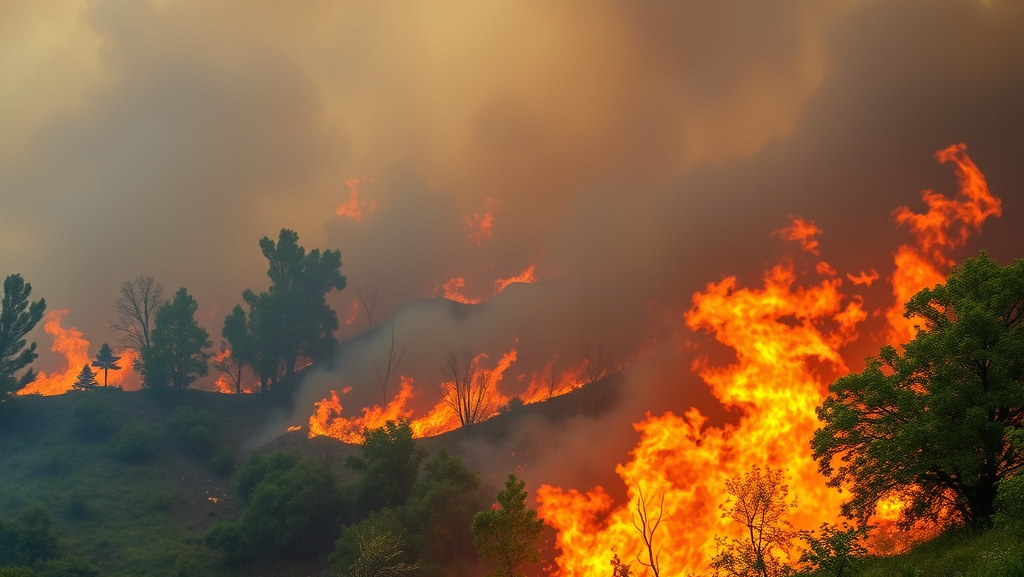
On April 3, 2025, a significant heath fire broke out in Ede, sparked by a military training exercise. Key details about the incident include:
- Location: The fire ignited on Koeweg in Ede, close to the Eder Heath.
- Timing: Fire services received a report via the P2000 network around 14:32 hours.
- Scale of the Fire: It was a devastating fire, requiring the deployment of over 500 firefighters to combat the flames.
- Cause: The fire was attributed to a military training exercise, which escalated into a massive wildfire threatening a large area.
This incident has raised significant concerns regarding fire safety in the Netherlands, especially with ongoing warnings from the fire service about the nation’s lack of readiness for such catastrophic wildfires.
Public Concerns and Voices
There is growing discontent among the Dutch population regarding wildfire preparedness, fueled by several factors:
- Inadequate Preparedness: Many citizens worry that the Netherlands is unprepared for large-scale, uncontrollable wildfires. The fire department has repeatedly warned that failure to act swiftly could lead to fatalities.
- Increasing Frequency of Fires: Over the past few years, there has been a notable uptick in the number of wildfires. For instance, in 2024, there were 314 wildfires across the nation, and experts expect this number to grow due to continuing drought and climate change.
- Impact of Recent Incidents: The recent heath fire in Ede, caused by a military exercise, has sparked considerable unrest. This event not only exposed the vulnerabilities of natural areas but also highlighted the urgent need for better fire prevention measures.
- Elevated Risks: Firefighters and experts emphasize the heightened risk of wildfires, particularly in forest and heath areas, leading to concerns about the safety of residents and the protection of natural territories.
- Calls for Action: There is a growing demand for government and local authorities to implement more proactive measures to enhance fire safety in natural areas, which includes investing in fire prevention resources and improving cooperation among emergency services.
These combined factors have resulted in feelings of urgency and dissatisfaction among the population.
The Role of Forest Rangers
The expertise of forest rangers in emergencies, such as wildfires, plays a vital role in disaster preparedness. Here are some critical points concerning their training and knowledge:
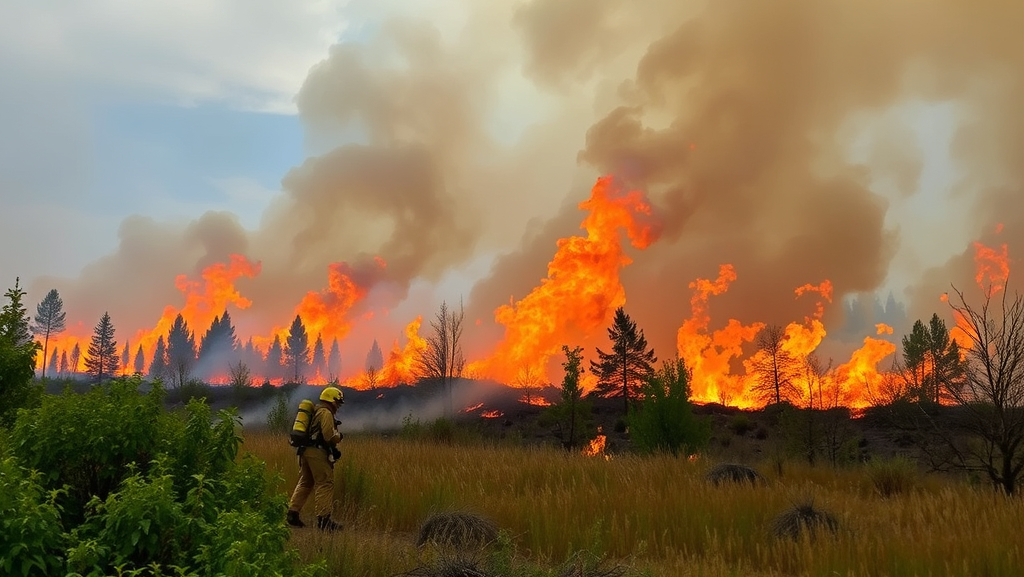
- Knowledge and Skills: Forest rangers possess extensive knowledge of wildfire management. They are trained to identify vulnerable natural areas and understand how to respond effectively in the event of a fire.
- Training and Education: It is recommended that forest rangers complete specific training modules, like the ELO-module on wildfire management, which helps them coordinate better with firefighting services.
- Practical Preparation: Forest rangers actively engage in preparing the land for potential fires. This includes teaching techniques for fire suppression and understanding the safe water sources to utilize during firefighting efforts.
- Collaboration with Firefighters: There is strong collaboration between forest rangers and firefighting personnel, ensuring effective communication and coordination during emergencies, which is crucial for an effective response.
- Experience with Past Incidents: In recent years, forest rangers and firefighters have gained valuable experience from various large wildfires in the Netherlands, further enhancing their expertise.
Together, these factors position forest rangers as an essential line of defense against situations like wildfires, allowing for better preparedness in emergencies.
The Perils of Uncoordinated Communication
A ranger might decide to warn residents about an impending fire independently, but this can lead to several complications:
- Uncoordinated Communication: Acting alone can conflict with official communications from firefighters or emergency services, creating confusion among residents about how to respond.
- Panic and Distress: Issuing warnings without clear instructions may incite panic among residents, compounding the dangers and making it harder for emergency services to respond effectively.
- Misinformation: If the ranger lacks the most current information, their warnings could be based on incomplete or outdated data. This can lead to incorrect assessments of the fire’s severity and unnecessary worries.
- Disrupted Evacuations: In the case of a major fire, coordinated evacuations are crucial. If individuals take independent action, it could disrupt official evacuation plans.
- Liability Concerns: Rangers may also face accountability for any consequences resulting from their warnings, especially if they do not align with the guidelines issued by the fire service or other authorities.
It is crucial, therefore, that communication during emergencies be well-coordinated, ensuring all parties adhere to the guidelines set by responsible authorities.
Factors Contributing to Inadequate Preparedness
Several factors contribute to the realization that the Netherlands is not sufficiently prepared for disasters like major wildfires:
- Increasing Wildfire Frequency: In recent years, there has been a discernible rise in wildfires throughout the Netherlands. The statistics from 2024 indicate 314 wildfires, showcasing a growing problem.
- Climate Change: The impacts of climate change, such as prolonged drought and higher temperatures, exacerbate the risk of wildfires. This escalating danger necessitates urgent preparedness actions.
- Incidents like Ede: The large heath fire in Ede, triggered by a military training exercise, highlighted nature’s vulnerability and the need for enhanced fire prevention strategies, sparking public dialogue about disaster preparedness.
- Inadequate Infrastructure and Resources: Concerns have arisen regarding the existing infrastructure and resources allocated to fire services and other emergency responders. Many experts advocate for increased investment in firefighting and crisis management to ensure effective responses to major incidents.
- Coordination Deficiencies: Communication and collaboration among various emergency service entities and governments sometimes lack efficiency. This can result in confusion and ineffective responses during crises, exacerbating the impact of disasters.
- Public Awareness: Recent incidents have heightened awareness among the public regarding the risks associated with wildfires. People are now more cognizant of the importance of being prepared and adhering to warnings from authorities.
Collectively, these factors have led to an urgent call for action to enhance readiness for disasters like wildfires.
Initiatives for Improved Preparedness
Various organizations and authorities are working diligently to improve the Netherlands’ preparedness for wildfires in the future. Key initiatives and measures being undertaken include:
- Wildfire Management Plans: Specific Wildfire Management Plans are being developed for areas at high risk. These plans aim to identify risks and craft strategies for mitigating them.
- Inter-Agency Collaboration: Fire services are collaborating with recreation businesses, nature managers, defense, and municipalities to prepare collectively. This coordinated approach is vital for effective wildfire response.
- Training and Education: Training and educational sessions are organized for firefighters and forest rangers, focusing on preparedness for complex and dynamic situations. This includes training specialized teams dedicated to wildfire management.
- Awareness Campaigns: Campaigns have been initiated to raise public awareness about the risks of wildfires and provide guidance on what to do during a fire, enhancing community preparedness.
- Infrastructure Investments: Advocates are pushing for more investments in firefighting infrastructure and resources to ensure a robust response to major incidents.
- Post-Incident Evaluations: Following major wildfires, like the one in Ede, evaluations are conducted to learn lessons and improve future responses, enhancing management capabilities for future incidents.
These initiatives are crucial for minimizing the impact of wildfires and ensuring the safety of both the natural environment and local communities.
In conclusion, the struggle for wildfire preparedness in the Netherlands remains a critical issue. The alarming increase in wildfire incidents, the implications of climate change, and significant events such as the Ede heath fire reveal the urgent need for effective responses. A combination of awareness, coordination, and proactive measures is essential to protect residents and natural areas from the catastrophic effects of wildfires. By working together, communities, authorities, and emergency services can create a safer and more resilient future against the ever-present threat of wildfires.


 Dutch Echo
Leave a comment