
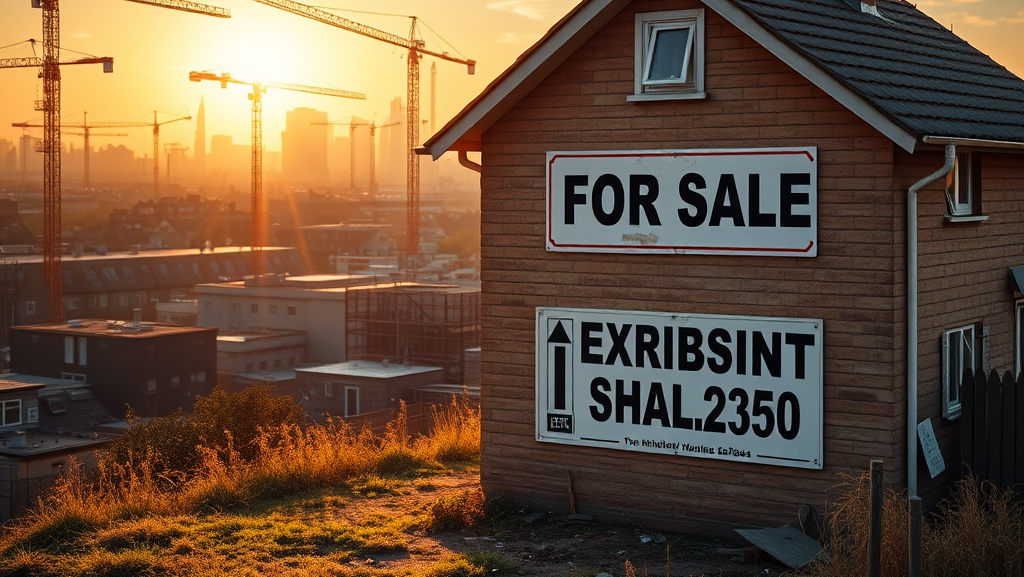
The housing market in the Netherlands is in a state of crisis, affecting many people across the nation. Recent surveys and statistics reveal some alarming trends that illustrate how difficult it has become to buy or rent a home. As citizens struggle with soaring prices and a lack of available housing, the issue has become one of the most pressing topics in Dutch politics and society.
Extreme Housing Prices
To start with, the average price of homes in the Netherlands has reached a staggering level. Currently, prospective homeowners need to earn around €100,000 per year in order to purchase a typical house. This reality is exceedingly challenging for many individuals, particularly first-time buyers. The skyrocketing costs are not simply a coincidence; they are a result of various underlying factors that have all combined to create this growing dilemma.
Continuous Price Increases
In 2023 alone, housing prices have risen by 10% compared to previous years, placing additional stress on an already strained market. This upward trend has persisted for several years now, following a minor decline. Such significant fluctuations create uncertainty and make it difficult for many aspiring homeowners to make informed decisions. The situation, in many ways, resembles a rollercoaster – one moment prices are going down, and the next, they are climbing sharply again.
A Shortage of Houses
One of the central issues contributing to the crisis is a severe housing shortage. Estimates indicate that approximately 390,000 homes are absent from the Dutch market. This scarcity leads to long waiting times for social housing and exorbitant renting prices in the private sector. Without sufficient housing to accommodate the growing population, the demand for homes continues to skyrocket.
A Key National Concern
According to recent polls, the housing crisis has emerged as the number one issue in the Netherlands. This highlights just how urgent and significant this problem has become for many Dutch citizens. As the situation worsens, public outcry has led to discussions across various platforms – including television broadcasts and political debates – focusing on potential solutions to the crisis.
For example, tonight there will be a broadcast featuring well-known figures, such as Gijs Rademaker and Kassa presenter Amber Kortzorg, discussing the current situation. This reflects the growing concern among the population and the desire to find viable solutions to improve the housing market.
Lessons from the Past
The current crisis has not arisen in isolation; it echoes the housing crisis experienced over ten years ago, which had a significant impact on real estate prices in the country. Between 2008 and February 2013, house prices plummeted by a staggering 25%, adjusted for inflation. This dramatic decline was a direct consequence of the global financial crisis that began in 2008, leading to decreased demand for homes.
The tipping point came in June 2013, when the average price of a house hit a low of around €223,000. Following this period, the market began to recover, and by January 2022, the prices of existing homes were 90.9% higher than they had been in mid-2013. This recovery marked the beginning of another severe escalation in prices, and the recent trends appear to be building on that momentum once more.
Current Market Dynamics
As we navigate through 2023 and look ahead, forecasts suggest that housing prices will continue to rise. By the end of this year, the average price of a house is expected to reach €416,000, while projections for 2024 suggest an increase to €451,000. Looking even further into 2025, there’s an anticipated growth of about 7.5%. This trajectory indicates that prices will keep climbing, regardless of the ups and downs seen previously.
Several factors are driving these increases:
- Housing Shortage: An ongoing and significant shortfall of available homes creates increased competition in the marketplace.
- Low Interest Rates: The currently low mortgage rates have made purchasing a home more attractive for many people.
- Changing Demand: The demand for houses remains high, particularly in urban areas where populations are growing.
Considering these dynamics, the cyclical nature of the housing market is clearly on display, with periods of decline followed by periods of steep price increases.
Advertisements

The Impact of Policy and Legislation
One significant element affecting the housing market is the nitrogen policy in the Netherlands. This policy has had various implications for construction and development. Stricter regulations regarding nitrogen emissions have led to delays in obtaining building permits, making it more challenging for developers to construct new homes.
Estimates indicate that a total of 244,000 homes could be at risk from these regulations until 2030. The consequences extend beyond just housing, impacting the wider economy by potentially leading to job losses in the construction sector and related industries.
Despite ongoing construction efforts, 2023 projections indicate that the Netherlands is short of approximately 23,000 homes due to the implications of the nitrogen policy.
Future Considerations
As the Netherlands grapples with a rapidly growing population, especially in urban areas, it’s clear that immediate action is necessary. Factors such as population growth, limited new housing permits, and an aging population have compounded challenges.
Furthermore, many older individuals remain in larger homes, preventing younger families and individuals from transitioning into available housing. The slow pace of building combined with high demand from younger, economically active citizens emphasizes the urgent need for comprehensive housing policies.
Conclusion
In summary, the housing crisis in the Netherlands is a complex issue fueled by a combination of soaring prices, a severe housing shortage, and the lingering effects of past economic crises. As the conversation around housing continues to evolve, it underscores the importance of addressing these challenges through innovative solutions and effective government policies aimed at increasing housing availability.
The urgency surrounding the housing issue calls for collective action and genuine investment in sustainable housing development to support current and future generations of Dutch citizens. The road ahead may be challenging, but with a concerted effort, a brighter and more accessible housing market is within reach.


 Dutch Echo
Leave a comment