
In recent years, global security has shifted dramatically, prompting nations around the world to reevaluate their defense strategies. A notable instance of this can be seen in the recent statement made by King Willem-Alexander of the Netherlands, urging that the country must “arm itself to the teeth.” This declaration reflects the need for the Netherlands to bolster its defense capabilities amidst rising geopolitical tensions, particularly highlighted by the ongoing war in Ukraine. In this article, we will delve into the implications of this statement, the evolving security situation in Europe, and the complexities of the conflict involving the Netherlands and Russia.
Changing Security Situation
King Willem-Alexander’s call for increased military readiness brings attention to the changing landscape of global security. The world is facing an array of threats and conflicts, and the notion of peace and stability can no longer be taken for granted. Increasing aggressions, especially in Europe, have sparked concerns about national and collective security, compelling countries to reassess their military strategies and spend more on defense initiatives.
The war in Ukraine serves as a crucial point of reference. Following Russia’s invasion in 2022, many European nations have initiated discussions regarding military fortifications. The crisis underscored that old security assumptions no longer held. For the Netherlands, this means not just keeping pace with the changing environment but actively enhancing its military capabilities.
Defense and Armament
The king’s call emphasizes that the Netherlands needs to modernize and expand its military arsenal. This includes significant investment in several key areas:
- Acquisition of New Weapons Systems: As threats evolve, so too must the technology that nations employ to defend themselves. The Dutch military may need to invest in advanced weaponry, such as drones, modern aircraft, and cyber defense systems.
- Improvement of Training and Preparedness: Enhancing military readiness goes beyond having the right equipment; it also involves rigorous training regimes. Strengthening troop capabilities can help ensure that they are prepared for various scenarios, including hybrid warfare.
- Strengthening Alliances: Collaboration with NATO partners is pivotal. Strengthening ties with other NATO countries allows for better coordinated defense measures and shared resources, reinforcing collective security against common threats.
As countries across Europe look to bolster their armed forces, the Dutch government is confronted with the dual challenge of meeting immediate defense needs while maintaining a sustainable long-term military strategy.
Political Context
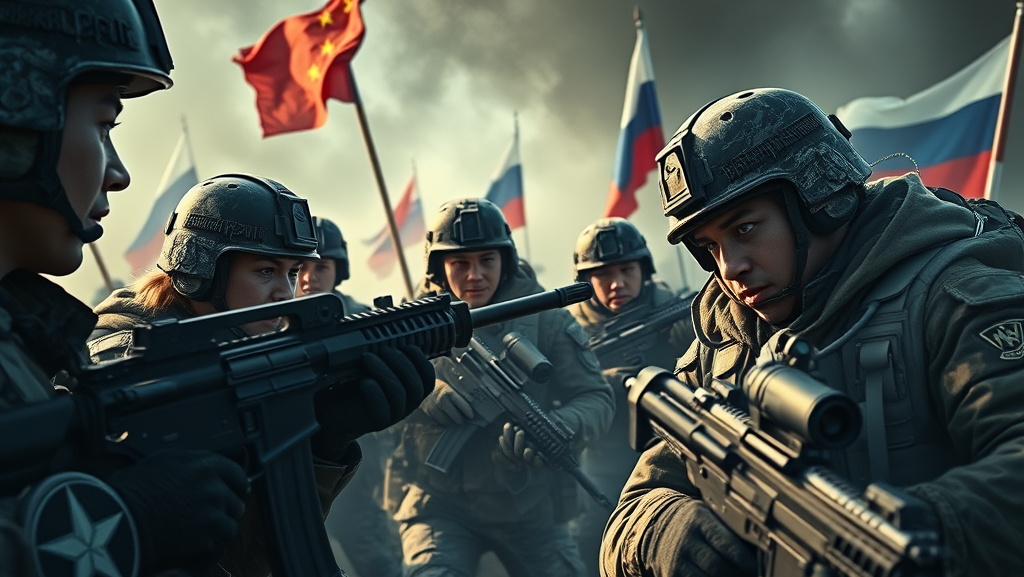
King Willem-Alexander’s statement arrives at a time when many European nations are increasing their defense budgets and reconsidering their military strategies in response to Russia’s actions. The Netherlands is no exception, seeking to enhance its military readiness to ensure the protection of its sovereignty and that of its allies.
The geopolitical context is marked by the rivalry between NATO, which welcomes democratic states, and Russia, often viewed as an autocratic power. As NATO expands eastward, countries like the Netherlands stand firmly on security fronts, advocating for the sovereignty of nations like Ukraine against Russian aggression.
Public Response
The king’s message is likely to elicit a range of reactions from the Dutch public. Some may voice strong support for a fortified defense, viewing it as an essential measure to safeguard the nation and its values. Meanwhile, others might express concerns over the implications of increased militarization, fearing that it could lead to heightened tensions with Russia.
Balancing national security with public sentiment represents a significant challenge for policymakers. As European citizens face the tangible effects of rising military spending, including potential shifts in budget allocations, discussions surrounding defense strategies may become increasingly polarized.
The Complex Netherlands-Russia Conflict
The situation between the Netherlands and Russia is layered with several factors worthy of examination:
Advertisement
- Ideological Differences: The divide between democracy and autocracy is stark. The Netherlands, as a proponent of democratic ideals, stands opposed to the actions of Russia, which has often been criticized for human rights abuses and authoritarian governance.
- Geopolitical Tensions: NATO’s presence in Europe acts as a deterrent to any potential Russian ambitions. The support provided to Ukraine by NATO countries, including the Netherlands, serves as a reaffirmation of commitment to collective security, bolstering Europe’s position against Russian aggression.
- Economic Factors: The imposition of economic sanctions against Russia by the Netherlands and other countries has resulted in strained trade relationships. The energy dependency on Russian resources has raised concerns and prompted discussions about diversifying energy sources to enhance national security.
- Hybrid Warfare: The Netherlands must also grapple with modern threats like cyber attacks and disinformation campaigns, commonly associated with Russian tactics. Protecting the integrity of democratic processes and societal cohesion is a growing priority, highlighting the importance of cybersecurity.
- Security Threats: The anticipated military threat from Russia is increasingly significant, driving nations to reconsider and strengthen their defense strategies. The Netherlands finds itself navigating a landscape where military assertiveness may be coupled with strategic military alliances.
The Broader Implications
The repercussions of the Netherlands’ military readiness extend beyond its borders, implicating broader European and global security dynamics. The conflict serves as a reminder that the stakes are high not only for regional stability but for the overall balance of power on the international stage.
Additionally, the burgeoning cooperation between Russia and countries such as China and Iran complicates the geopolitical landscape further. These strategic partnerships prompt discussions about counterbalancing moves by Western nations, reinforcing the notion of a divided global order.
Conclusion
The call for the Netherlands to enhance its defense capabilities emerges amidst a backdrop of unprecedented geopolitical challenges and uncertainties. As King Willem-Alexander emphasizes the need for a “well-armed” nation, the focus must be on creating a sustainable and adaptive military strategy that can address both traditional and unconventional threats.
Ultimately, the balance between maintaining security and fostering diplomatic relations remains delicate. The need for preparedness must be weighed against the pursuit of peaceful coexistence. In a rapidly changing world, the Netherlands stands at a crossroads, defining its identity and role in ensuring stability both at home and abroad.


 Dutch Echo
Leave a comment