
In recent weeks, alarming news has emerged from Burkina Faso regarding a coup attempt against interim President Ibrahim Traoré. The latest information reveals that secret plans for the coup came to light just days ago, leading to a string of arrests and heightened tension within the country. This article explores the background and implications of these developments in Burkina Faso, a land facing significant challenges amid ongoing violence and instability.
The Unfolding Coup Plot
The revelation of coup plans on April 27, 2025, has sent shockwaves through the political landscape of Burkina Faso. This disclosure follows Traoré’s rise to power after a coup on September 30, 2022. The country has been grappling with persistent security issues caused by jihadist groups, fueling dissatisfaction and dissent within the military ranks.
Advertisements


In response to the uncovered coup plot, Burkina Faso’s military government announced several arrests linked to the conspiracy. Though the exact number of individuals detained has not been made public, officials confirmed that it involves a significant number of suspects. The authorities aim to maintain stability and prevent further unrest, especially given the ongoing insecurity fostered by extremist groups.
Operation Storm Night
In another significant development, military forces executed Operation Storm Night on April 22, 2025, just days before the coup plans were unveiled. This military action was aimed at thwarting the unfolding conspiracy to oust President Traoré. The operation was presented as a successful effort to safeguard national stability and alleviate the growing tensions within the government ranks.
During the operation, several suspects were apprehended, and officials reported that the situation had been brought under control. Authorities emphasized that the coup plans stemmed from internal military dissatisfaction, underlining the urgent need for a resolution to ongoing security challenges.
Internal Conflict and Arrests
As the situation develops, concrete details regarding the individuals involved in the coup attempt have not yet emerged. However, it has been confirmed that military personnel are among those arrested in relation to the conspiracy. This internal involvement suggests that the coup plans were devised from within the military itself.
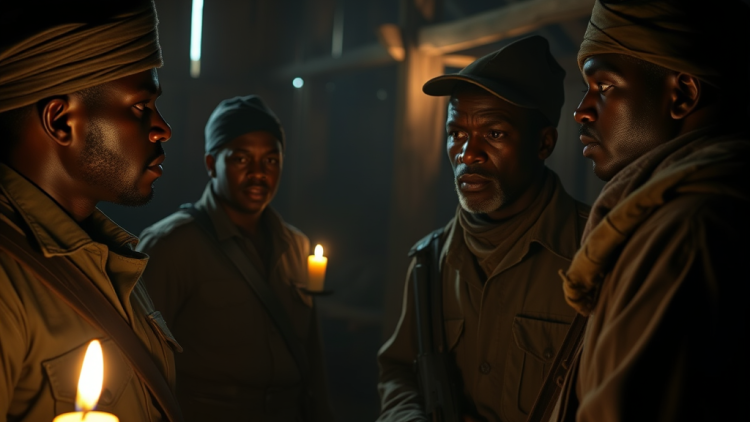
The backdrop of these latest developments includes a pervasive sense of discontent within the armed forces, primarily driven by the persistent violence and insecurity plaguing Burkina Faso. The ongoing threats posed by jihadist groups have led to frustrations among military leaders regarding their operational efficacy and the government’s response to the crisis.
A Look at Ibrahim Traoré
Ibrahim Traoré, who leads Burkina Faso as a young military official, has made several moves that have alienated him from Western countries. His rise to power through a military coup raised concerns regarding democratic governance in Burkina Faso. Since assuming leadership, Traoré has rejected what he perceives as neocolonial influences from Western powers, particularly France, and has sought to assert national sovereignty.
With a focus on collaboration with Russia, particularly in military and mining sectors, Traoré’s administration marks a shift in alliances that could have significant geopolitical repercussions in West Africa. This pivot has raised alarm among Western nations worried about losing their influence in the region and the potential instability that might arise from such partnerships.
The Impact on Western Interests
Should President Ibrahim Traoré continue to cement his power and pursue his agenda, Western nations may face several losses. Historically, countries like France and the United States have maintained a robust presence in West Africa, primarily for strategic and economic interests. However, Traoré’s move towards greater national autonomy could erode their influence.
- Strategic Influence: Western nations, particularly France and the United States, have enjoyed considerable sway in Burkina Faso. Traoré’s policies could undermine this power, creating a vacuum that may further destabilize the region if not managed properly.
- Economic Relations: Many Western countries have investments in Burkina Faso, especially in sectors like mining and agriculture. A shift toward partnerships with nations such as Russia could jeopardize these economic ties, rendering previous agreements obsolete.
- Security Risks: The ongoing threat of jihadist violence presents a dire challenge for Burkina Faso. A failure in Traoré’s policies to adequately address these threats may not only destabilize Burkina Faso but could spill over borders and endanger regional security, thereby affecting Western interests in the area.
- Human Rights and Democracy: The role of human rights and democratic values is significant for many Western nations. Traoré’s military control, which has been met with criticism from organizations concerned about human rights, may create friction with countries that prioritize these issues in their foreign policies.
- Geopolitical Shifts: Continued cooperation between Burkina Faso and nations like Russia could alter the geopolitical landscape in West Africa, diminishing Western powers’ control and influence and leading to a significant shift in policy direction throughout the continent.
Conclusion
The events unfolding in Burkina Faso are critical indicators of the country’s volatile political climate. The recent coup attempt against Ibrahim Traoré underlines the ongoing internal strife and the complexities associated with military governance in times of insecurity. As Traoré seeks to assert national sovereignty and redefine Burkina Faso’s international alliances, the consequences may reverberate across West Africa and beyond.
With tensions mounting and the situation expected to evolve, it is crucial for all stakeholders, both within and outside Burkina Faso, to monitor developments closely. The country’s future hinges on effective governance, stability, and a commitment to addressing the deep-seated issues that continue to challenge peace and security in the region. The path forward will require careful navigation amid a changing landscape, one that demands both strategic acumen and a genuine commitment to the welfare of Burkina Faso’s citizens.


 Dutch Echo
Leave a comment