
Every year on May 5th, the Netherlands celebrates a significant holiday known as Liberation Day (Bevrijdingsdag). This day commemorates the country’s liberation from Nazi occupation in 1945, marking the end of World War II for the Dutch people. It’s a day filled with remembrance, celebration, and the acknowledgment of freedom and democracy.
A Historical Overview
To truly understand the importance of Liberation Day, we need to travel back in time to World War II. The war, which lasted from 1939 to 1945, affected many nations, but the occupation of the Netherlands by Nazi Germany was particularly harsh. From 1940 to 1945, the Dutch experienced significant oppression. Basic freedoms, like freedom of press, speech, and the right to protest, were severely limited under Nazi rule.
Advertisement
On May 5, 1945, the German forces in the Netherlands surrendered to the Allied troops, leading to the country’s liberation. This day symbolizes not just the end of oppression but also the restoration of rights and liberties that had been taken away. After five long years, the Dutch people could once again live freely and express themselves without fear.
Key Points About Liberation Day
1. Official Holiday
Liberation Day is an official holiday in the Netherlands, though not everyone has the day off. Depending on their employer, people might have to work, but many celebrate in various ways. It’s a national moment to reflect on the past and appreciate the present freedoms.
2. Activities and Celebrations
Throughout the country, cities and towns are filled with jubilant festivities. Liberation Day is celebrated with many events, including music festivals, parades, and memorials. These activities highlight the values of freedom and the history of the country’s liberation. Each year, various municipalities decide which events will be held, and the atmosphere is filled with music, joy, and unity.
3. Commemoration and Remembrance
While Liberation Day is a celebration, it’s also a moment for remembrance. Many people take time to reflect on the sacrifices made for freedom. It’s essential not to forget the dark periods of history and to be thankful for the hard-won liberties.
Celebrating freedom isn’t just looking back; it’s about understanding its ongoing importance. In schools, discussions about the significance of World War II, the Holocaust, and the value of democracy are common. Young people learn about the importance of freedom and human rights, ensuring that such atrocities are never repeated.
Liberation Festival Zuid-Holland
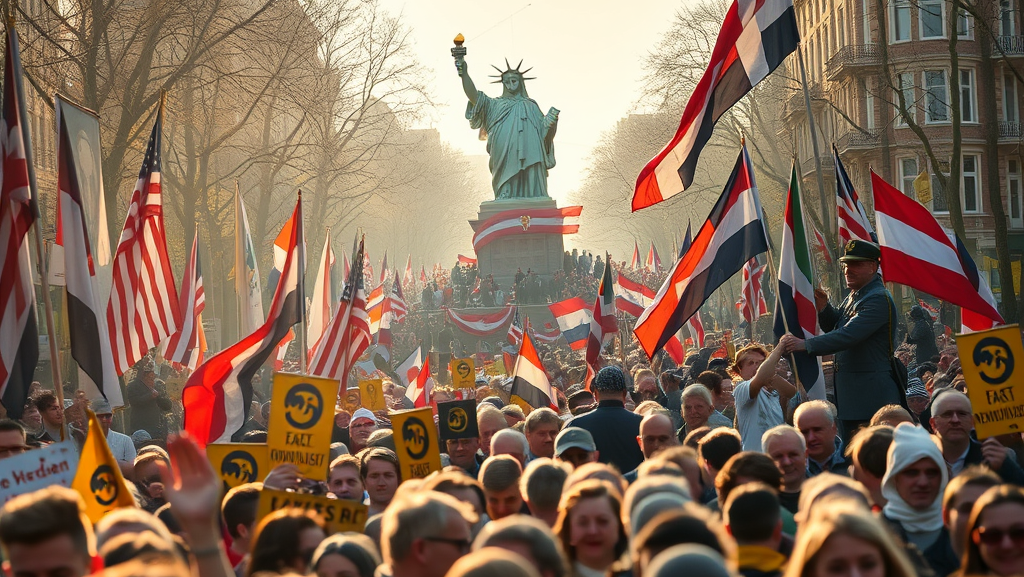
One of the biggest celebrations on Liberation Day takes place in Rotterdam at the Liberation Festival Zuid-Holland. This festival is a vibrant hub of activities that captures the spirit of the day.
Festival Details
- Time: The festivities start at 12:30 PM and continue until the evening, ending at 11:00 PM.
- Admission: Entry to the festival is free, making it a fantastic opportunity for everyone to participate and enjoy.
- Activities: The festival includes a wide array of events, from music performances to interactive workshops and commemorative ceremonies. It celebrates the themes of freedom and unity and allows visitors to engage in discussions about their rights and roles as citizens.
Line-up of Artists
This year’s festival features an exciting lineup of artists, making it a must-attend event for music lovers. Some of the key performers include:
- Antoon
- Donnie
- Paul Elstak
- DOOL
- Michel de Hey
- Mr. Belt & Wezol
- John Coffey
- Mell VF
These artists will perform at various times throughout the day, ensuring a fun-filled musical experience for all attendees.
Visitor Experience
The Liberation Festival Zuid-Holland draws impressive crowds, with an average of around 40,000 visitors joining the celebration. In years like 2023, attendance soared to over 70,000, showcasing the festival’s popularity and the desire for many to celebrate freedom. The peak times typically occur around midday and in the evening, right when the main performances are scheduled. Arriving early is advisable for those wishing to avoid the crowd and fully enjoy the festival’s ambiance.
Reflecting on Freedom
In stark contrast to the freedoms enjoyed today, pre-World War II Netherlands had its own challenges. Freedom was about basic rights and the ability to express oneself without repression. During the Nazi occupation from 1940 to 1945, these rights were stripped away, leading to severe consequences for many citizens. Especially vulnerable groups, such as Jews and the politically oppressed, faced discrimination and persecution.
Lessons Learned
The aftermath of liberation allowed for the restoration of rights. By emphasizing human rights, freedom of speech, and democracy, the Netherlands created a more resilient society. Today, May 5 serves not only as a reminder of the past but also as a call to action to ensure these rights are upheld everywhere.
Freedom: A Shared Responsibility
Liberation Day is more than just a national holiday; it is also a reminder of a global fight for freedom and human rights. Current conflicts around the world continue to threaten these values, and it is crucial for everyone, especially young people, to recognize the importance of activism and advocacy for freedom.
Education and Awareness
Schools and communities host activities and discussions about the value of freedom and the implications of conflict. Engaging young people in conversations about historical struggles for freedom and current challenges makes the celebration of Liberation Day relevant and impactful.
It serves as a reminder that freedom is not guaranteed—it must be fought for continually. Young individuals are encouraged to participate in dialogues, reflect on their responsibilities, and understand that modern freedoms are intertwined with global human rights issues.
Conclusion
On this May 5th, as the Netherlands celebrates Liberation Day, it encourages everyone to reflect on the past, celebrate the present, and advocate for a future where freedom is accessible to all. Through festivals, music, and educational programs, the spirit of liberation continues to inspire generations. Each celebration is a testament to the enduring fight for freedom and the importance of standing up against oppression.
So, whether you are attending a festival, participating in discussions, or reflecting quietly, take a moment to appreciate the fundamental freedoms we often take for granted. Every year, Liberation Day reminds us that freedom is a precious gift, one that requires vigilance and commitment to protect. Let’s celebrate, remember, and continue the fight for freedom together!
 Dutch Echo
Leave a comment