
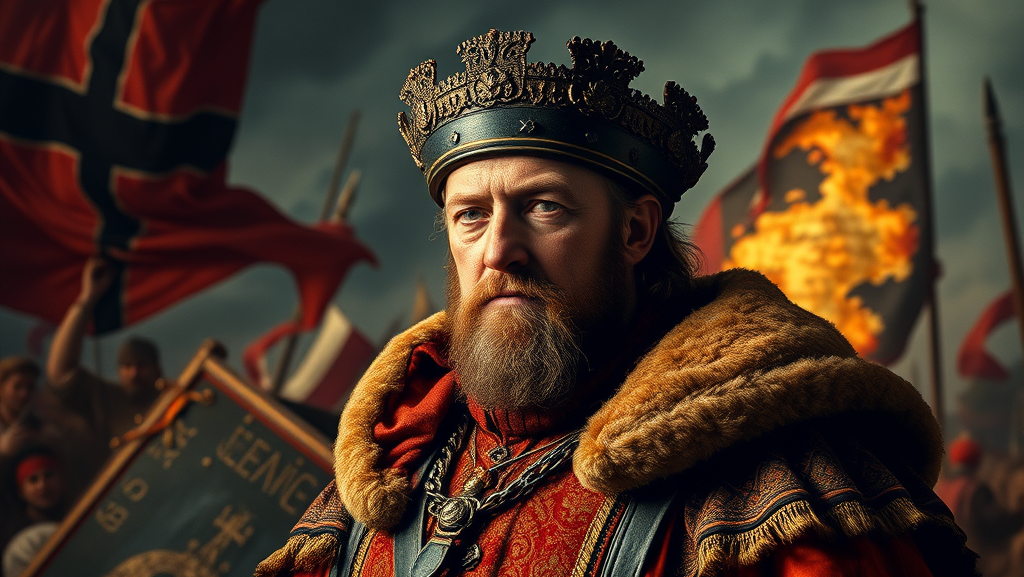
Willem of Orange, often known as William the Silent, was more than just a historical figure; he was a revolutionary leader whose actions changed the course of a nation. Born on April 24, 1533, in Dillenburg, Germany, Willem came from the noble House of Nassau, which granted him a prominent position in European politics from a young age. His life story is one of courage, determination, and a relentless fight for freedom—the kind of story that can inspire anyone, especially young people like you who are discovering the importance of standing up for what is right.
The Early Years
Willem was not born into greatness; rather, he inherited it. Growing up, he learned the ways of diplomacy and warfare—a necessity for anyone in his position. By the age of 11, he was already in the service of the Holy Roman Emperor, Charles V, after being sent to the court in Brussels. This was a pivotal moment for Willem, as it introduced him to the complex political landscape of Europe, filled with alliances, betrayals, and conflicts.
As he matured, Willem’s experiences deepened his understanding of governance and the importance of leadership. He was well-educated, speaking several languages, which enabled him to communicate and negotiate vital agreements with a range of European leaders. However, as he learned more about the world around him, he also began to recognize the injustices faced by his own people. The harsh rule of King Philip II of Spain, who sought to centralize power and suppress religious freedom, created a climate of unrest in the Netherlands.
The Seeds of Rebellion
In the 1560s, the situation in the Netherlands became increasingly dire. Philip II imposed heavy taxes, limited freedoms, and sought to eradicate Protestantism in favor of Catholicism. This led to widespread discontent among the Dutch populace, who were tired of being oppressed by a distant king. Many were particularly frustrated with the Spanish Inquisition, which sought to root out heresy through brutal methods. The atmosphere was charged with anger and resentment, and it was within this chaos that Willem began to contemplate rebellion.
At first, Willem remained loyal to the crown. He had been raised to believe in the monarchy and had benefited from royal patronage. However, as he witnessed the suffering of the people—friends, neighbors, and the common folk—his loyalty began to wane. He could no longer support a ruler who disregarded the rights and freedoms of his subjects. The injustice ignited a fire in Willem that would soon lead to open revolt.
In 1568, Willem made a daring decision. He declared war against Spanish rule, leading the Dutch Revolt, also known as the Eighty Years’ War. This was a monumental step, as he knew it would put not only his life but also the lives of his family and followers at risk. The revolt was not just a military campaign; it was a profound statement against tyranny, and Willem became its most prominent figure.
The Fight for Freedom
The initial battles were not straightforward. Willem faced numerous challenges, including internal divisions among the Dutch provinces, varying loyalties, and a well-disciplined Spanish army eager to maintain control. The first significant clash, the Battle of Heiligerlee in 1568, resulted in a surprising victory for Willem, instilling hope among the rebels and marking the beginning of a long struggle for independence.
However, success was short-lived, and Willem soon faced setbacks. In 1568, Spanish forces dealt a crushing blow at the Battle of Jemmingen. Yet Willem’s resolve did not falter. Despite these defeats, he learned that resilience and strategy were as important as the size of one’s army. He began to adopt unconventional tactics, focusing on guerrilla warfare and forming alliances with other discontented factions within the provinces.
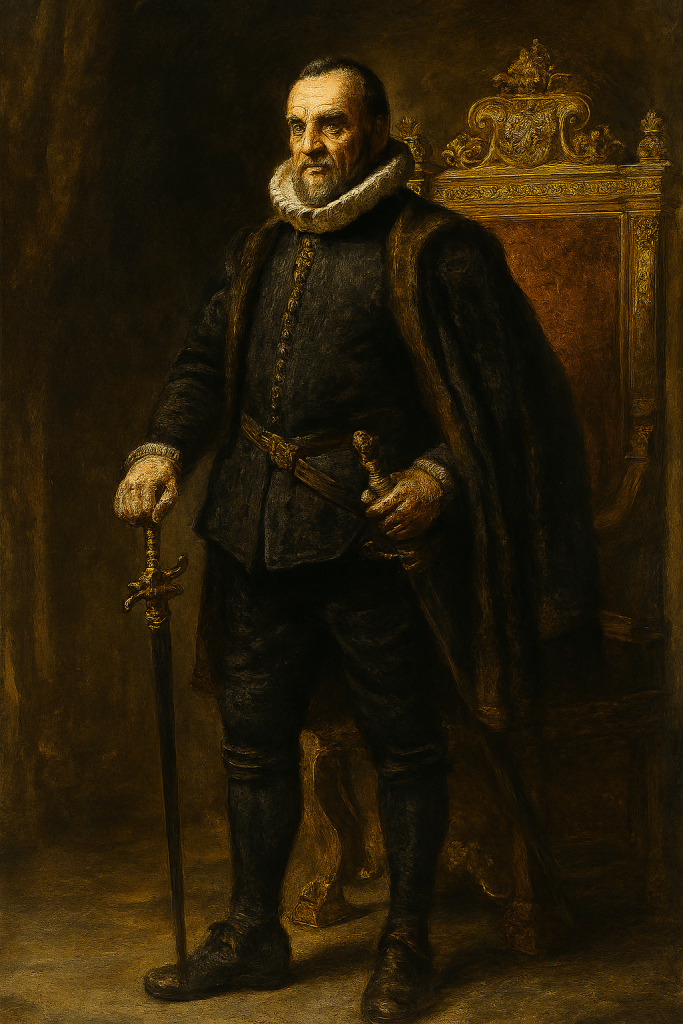
His ability to unite diverse factions grew as he increasingly emphasized religious tolerance, understanding that the conflict was about more than just political power—it was about people’s rights to their beliefs. This approach earned him respect not only from his supporters but also from potential allies in other countries. Other Protestants in Europe saw him as a champion of their cause.
A Leader with a Vision
Willem’s vision extended beyond merely winning battles. He aspired for a unified Netherlands, free from oppression—a daunting goal in a land torn by religious strife and political rivalry. He recognized that success would require not only military prowess but also the ability to inspire hope and perseverance among the Dutch people.
Willem’s character played a vital role in his leadership. He was known for his humility and his willingness to put his people’s needs before his own. Despite his noble status, he maintained a personal touch, often mingling with common folk and listening to their grievances. His reputation as “William the Silent” stemmed not from a lack of words but from his thoughtful approach and ability to make strategic decisions without grandstanding. This calm, reflective demeanor endeared him to many.
As the war dragged on, Willem faced personal challenges as well. His family life was complicated. He had two marriages, and his first wife, Anna van Egmont, died young, leaving him devastated. Despite his heartache, he remained committed to his cause and his children.
The Turning Point
As the conflict escalated, Willem obtained crucial international support. Europe was rife with political intrigue; France and England were watching closely, each considering their interests in the turmoil of the Netherlands. Willem actively sought alliances, realizing that their backing would be essential to ensure the revolt’s chances of success. Diplomacy became as significant as battle strategy.
In 1572, the tide of the war began to shift with the capture of Brielle by the Watergeuzen (Sea Beggars). This victory galvanized support for the revolt and sparked a series of uprisings throughout the provinces. Willem seized the opportunity to rally his forces and captured several key cities, further driving home the point that the Dutch were ready to claim their freedom.
Despite successes, the war was fraught with brutality. The Spanish retaliated with violence, including the severe repression of suspected rebels, which fueled further dissent and anger among the Dutch people. Willem had become a symbol of resistance—a living testament to the fight for rights and freedoms.
Advertisements


The Legacy of Willem of Orange
Willem’s struggles came to a tragic end on July 10, 1584, when he was assassinated by Balthasar Gerards, a mercenary sent by the Spanish government. His death rang out like a death knell across the Netherlands. However, Willem’s vision of a free and united Netherlands did not die with him. His son, Maurice of Nassau, took up his father’s mantle, continuing the fight and ultimately leading to the successful establishment of the Dutch Republic in 1588.
Willem of Orange’s legacy is monumental. He is remembered as the “Father of the Fatherland,” a title that embodies not just his contributions to the independence movement but also the ideals of justice and equality he fought so hard to establish. Monuments and statues throughout the Netherlands commemorate his life and achievements, ensuring that future generations understand the sacrifices made for their freedoms.
Moreover, Willem’s vision of tolerance and unity fostered a national identity that transcended regional and religious lines, laying the groundwork for a new, inclusive society in the Netherlands. His story teaches valuable lessons about resilience, civic duty, and the responsibility of individuals to stand up against injustice.
Lessons for the Future
Reflecting on Willem’s life, there are powerful messages that resonate with young people today. His journey emphasizes the importance of fighting for one’s beliefs, valuing diversity, and standing firm in the face of adversity. In a world still grappling with injustice and inequality, Willem’s commitment to freedom and tolerance serves as a guiding light.
Willem’s story is not just one of battles and politics; it is a story about empathy, understanding, and the courage to challenge the status quo. Each of us has the potential to make a difference, just as Willem did in his time. Whether through activism, supporting causes that promote equality, or simply standing up against bullying in school, there are countless ways to take action.
As you navigate your own path, may the life of Willem of Orange inspire you to be an agent of change in your community, fostering a sense of unity and cooperation among your peers. Remember that even the most daunting challenges can be overcome with determination, resilience, and a commitment to justice. The fight for a just society is ongoing, and every voice matters.
In conclusion, Willem of Orange teaches us that true leadership lies not in authority but in service to others. His legacy reminds us that we can shape our future through our actions, making our world a better place. Just as he stood up for his people centuries ago, you too can stand up for what you believe in today. The power to create change lies within you. Embrace it.

 Dutch Echo
Leave a comment