
The recent escalation of violence between India and Pakistan has sent shockwaves across the globe, leaving many wondering: what’s going on? This isn’t just another border skirmish; the potential consequences are devastating. Both countries possess nuclear weapons, making this a situation with truly global implications.
Understanding the Roots of the Conflict:
To understand the current crisis, we need to look back. The relationship between India and Pakistan has been fraught with tension since their independence in 1947. The partition of British India created two separate nations, but left a legacy of unresolved issues, most notably the disputed territory of Kashmir.
Advertisement

Kashmir is a mountainous region with a predominantly Muslim population. Both India and Pakistan claim it, leading to multiple wars and armed conflicts over the decades. This territorial dispute is like a simmering pot, always threatening to boil over.
The Spark: A Deadly Attack:
The immediate trigger for the current escalation was a terrorist attack on April 22nd, 2025, in Pahalgam, a popular tourist destination in the Indian Himalayas. The attack, which targeted mostly Indian tourists, resulted in the tragic deaths of 25 people. This horrific event ignited widespread outrage in India and dramatically escalated tensions.
The Escalation:
Following the attack, there’s been a significant increase in cross-border shelling and firing along the Line of Control (LoC), the de facto border between India and Pakistan. Both sides accuse each other of initiating the violence. The situation has rapidly deteriorated, with reports of civilian casualties and damage to infrastructure.
The Nuclear Factor:
Here’s where things get really serious. Both India and Pakistan are nuclear powers. This means they possess nuclear weapons, capable of inflicting catastrophic damage. The possibility of a nuclear conflict, even accidental, is a terrifying prospect that keeps the world on edge.
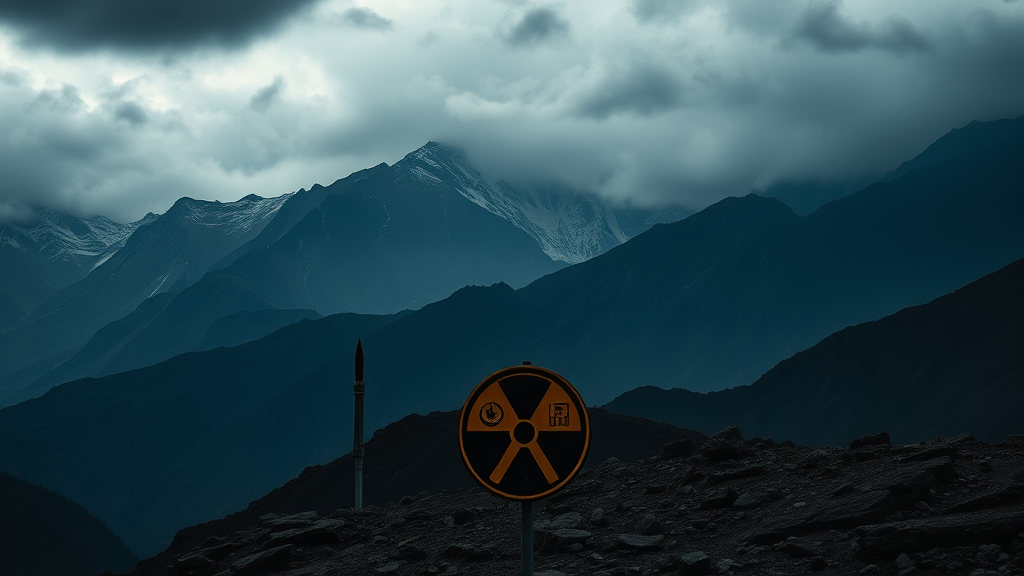
While neither country has directly threatened nuclear use, the heightened military activity and inflammatory rhetoric are deeply concerning. The risk of miscalculation or accidental escalation is real, and the consequences would be unthinkable.
What’s the International Community Doing?
The international community is actively trying to de-escalate the situation. Various countries and international organizations are calling for restraint and dialogue. However, the deep-seated mistrust between India and Pakistan makes finding a peaceful solution incredibly challenging.
What Can You Do?
Feeling helpless in the face of such a major crisis is understandable. But there are things you can do:
- Stay Informed: Keep up with reputable news sources to understand the evolving situation. Avoid misinformation and biased reporting.
- Talk About It: Discuss the conflict with your friends, family, and teachers. Raising awareness is crucial.
- Support Peace Initiatives: Research organizations working to promote peace and conflict resolution in the region and consider supporting their efforts.
- Write to Your Representatives: Contact your elected officials and urge them to support diplomatic efforts to de-escalate the conflict.
Looking Ahead:
The future remains uncertain. The India-Pakistan conflict is a complex issue with a long and troubled history. Finding a lasting solution will require significant diplomatic effort, compromise, and a willingness from both sides to address the underlying issues that fuel the conflict. The international community has a crucial role to play in preventing further escalation and promoting a peaceful resolution. The stakes are incredibly high, and the world watches with bated breath.
This is a developing situation, and the information presented here may change as events unfold. Always refer to trusted news sources for the latest updates.



 Dutch Echo
Leave a comment