
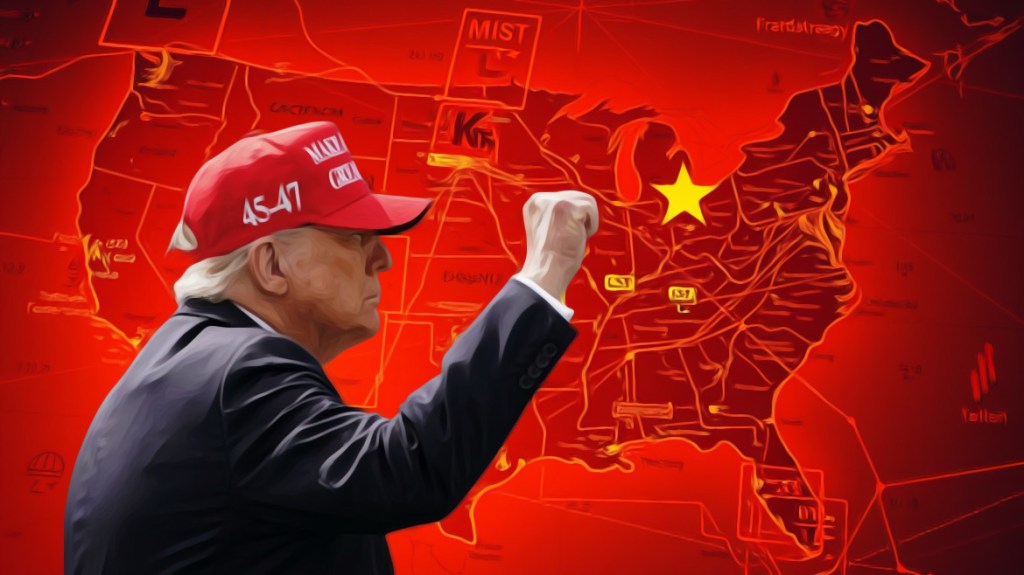
Recent headlines have been dominated by news of Donald Trump’s comments on US-China relations, specifically regarding trade. Trump’s statements, while not offering concrete policy proposals, have sparked renewed speculation about the possibility of reopening trade talks and potentially altering the current trade landscape. This news follows years of escalating trade tensions between the two countries, punctuated by the imposition of significant tariffs during the Trump administration. The potential implications of any renewed dialogue are far-reaching, impacting global markets and the overall geopolitical climate.
Trump’s America First Policy: A Legacy of Nationalism and Global Change, Including Subsidies and TTIP
Donald Trump’s presidency (2017-2021) was marked by his signature “America First” policy. This approach prioritized American interests above all else, leading to significant shifts in both domestic and foreign policy. While supporters viewed it as a necessary return to national sovereignty, critics argued it damaged international alliances and global cooperation. The Transatlantic Trade and Investment Partnership (TTIP), though never finalized, and the use of government subsidies, serve as useful case studies to understand the tensions inherent in Trump’s approach.
Understanding America First
At its core, “America First” aimed to revitalize the American economy and strengthen the nation’s position on the world stage. This involved several key policy initiatives:
- Trade: Trump implemented tariffs (taxes on imported goods) on various countries, aiming to protect American industries and jobs. He withdrew from the Trans-Pacific Partnership (TPP), a large trade agreement, and renegotiated the North American Free Trade Agreement (NAFTA), replacing it with the United States-Mexico-Canada Agreement (USMCA).
- Immigration: Trump pursued stricter immigration policies, including building a wall on the border with Mexico and implementing travel bans from several Muslim-majority countries. These policies aimed to enhance national security and control immigration flows.
- Foreign Policy: Trump challenged existing international alliances, questioning the value of NATO and criticizing long-standing partnerships. He engaged in direct negotiations with North Korea and withdrew the US from the Iran nuclear deal and the Paris Agreement on climate change.
- Subsidies and Bailouts: The Trump administration also utilized government subsidies and bailouts for certain industries, often as a means of protecting domestic businesses from foreign competition or economic hardship. This approach sparked debate regarding its long-term effects on market efficiency and economic growth.
TTIP: A Case Study in Trade Policy Tensions
The Transatlantic Trade and Investment Partnership (TTIP) was a proposed trade agreement between the United States and the European Union. Negotiations began in 2013 but stalled in 2016, largely due to opposition from various groups, including environmental and labor organizations. TTIP’s failure highlights the challenges of reaching comprehensive trade agreements in a globalized world.
Trump’s “America First” approach directly contradicted the core principles of TTIP, which aimed at reducing trade barriers and fostering closer economic ties between the US and EU. The emphasis on bilateral deals over multilateral agreements, as seen in Trump’s approach, would have been incompatible with the collaborative nature of TTIP. The perceived threat to national sovereignty and regulatory autonomy that some saw in TTIP also aligned with Trump’s focus on protecting American interests and reducing foreign influence.
Government Subsidies: A Domestic Policy Tool with Long-Term Implications
The Trump administration’s use of government subsidies also reflects the “America First” approach. While subsidies can stimulate economic activity and support specific industries, they also present potential long-term drawbacks:
- Market Distortion: Subsidies can create an uneven playing field, favoring subsidized businesses over those without government support, potentially leading to market inefficiencies and reduced competition.
- Dependence and Innovation Stifling: Businesses might become overly reliant on subsidies, reducing their incentive to innovate and improve efficiency. This can lead to long-term economic stagnation.
- Fiscal Burden: Significant subsidy programs can impose a substantial burden on taxpayers, potentially leading to increased national debt and reduced funds for other public services.
- Transparency and Accountability: The allocation and use of subsidies often lack transparency and accountability, raising concerns about potential misuse and favoritism.
Economic Impacts
The economic consequences of Trump’s policies were complex and debated. Supporters pointed to a period of economic growth and low unemployment before the COVID-19 pandemic. However, critics argued that the trade wars initiated by Trump led to increased prices for consumers and harmed certain industries. The long-term effects of these policies are still being assessed.
International Relations
Trump’s approach to foreign policy significantly altered America’s relationships with other nations. His confrontational style and questioning of alliances strained relations with traditional allies in Europe and Asia. While some saw this as a necessary recalibration of global partnerships, others worried about the weakening of international cooperation on issues such as climate change and global security.
Domestic Politics
Domestically, Trump’s policies sparked intense political divisions. His supporters lauded his focus on American jobs and national security. Critics, however, raised concerns about his authoritarian tendencies, his attacks on democratic institutions, and his divisive rhetoric.
Advertisements


The Legacy of America First
The long-term impact of Trump’s “America First” policy remains to be seen. While some of his policies, such as the USMCA, have had lasting effects, others were reversed or significantly altered by his successor, President Joe Biden. The debate over the effectiveness and consequences of this approach will continue for years to come.
Alternative Approaches
Critics of Trump’s policies often proposed alternative approaches that emphasized international cooperation and multilateralism. These approaches often focused on:
- Strengthening International Alliances: Working closely with allies to address global challenges such as climate change, terrorism, and economic inequality.
- Promoting Free Trade: Participating in and expanding free trade agreements to stimulate economic growth and reduce barriers to trade.
- Diplomacy and Negotiation: Using diplomacy and negotiation to resolve international disputes and build stronger relationships with other countries.
- Sustainable Economic Policies: Implementing policies that promote long-term economic growth without relying heavily on subsidies or protectionist measures.
Comparing Approaches
Trump’s America First approach differed significantly from these alternative strategies. While supporters saw it as a necessary correction to past policies that had harmed American interests, critics argued that it damaged international relations and undermined global cooperation. The debate over which approach is best suited to address the challenges facing the US and the world continues.
The Future of American Foreign Policy
Trump’s presidency had a profound impact on American foreign policy, leaving behind a legacy of both accomplishment and controversy. The debate over the appropriate balance between national interests and international cooperation will continue to shape American foreign policy for years to come. The question of whether the US should prioritize unilateral action or multilateral engagement will remain a central theme in American politics and international relations.
Conclusion
Donald Trump’s “America First” policy was a defining feature of his presidency. It represented a significant shift in American foreign and domestic policy, leading to both economic and political consequences that continue to be debated. Understanding the complexities of this approach requires examining its impact on trade, immigration, foreign relations, and domestic politics, as well as its use of subsidies and its relationship to multilateral trade agreements such as TTIP. The long-term effects of this policy, and the ongoing debate over its merits, will continue to shape the political landscape for years to come.


 Dutch Echo
Leave a comment